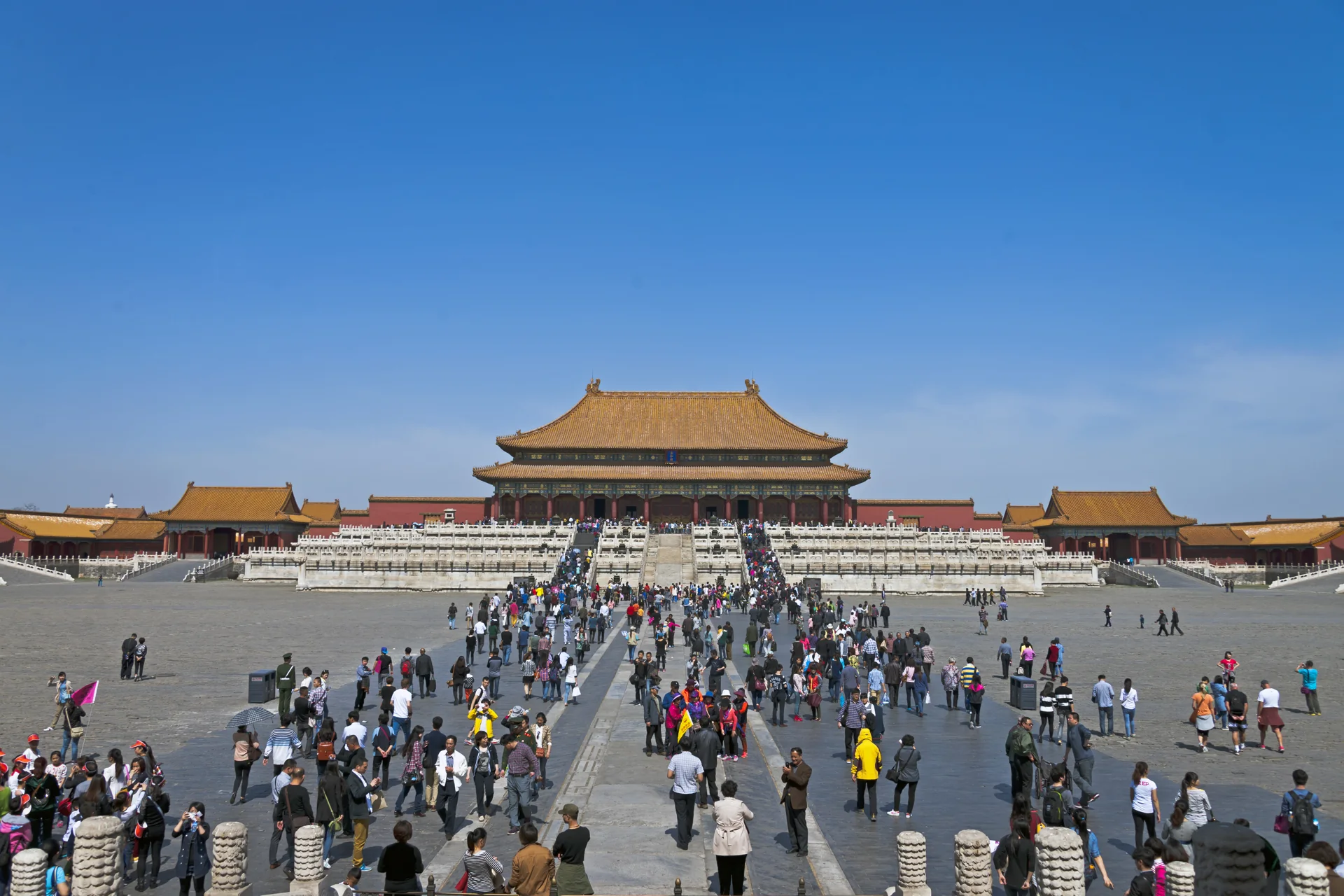
A wall shaped by the ridge
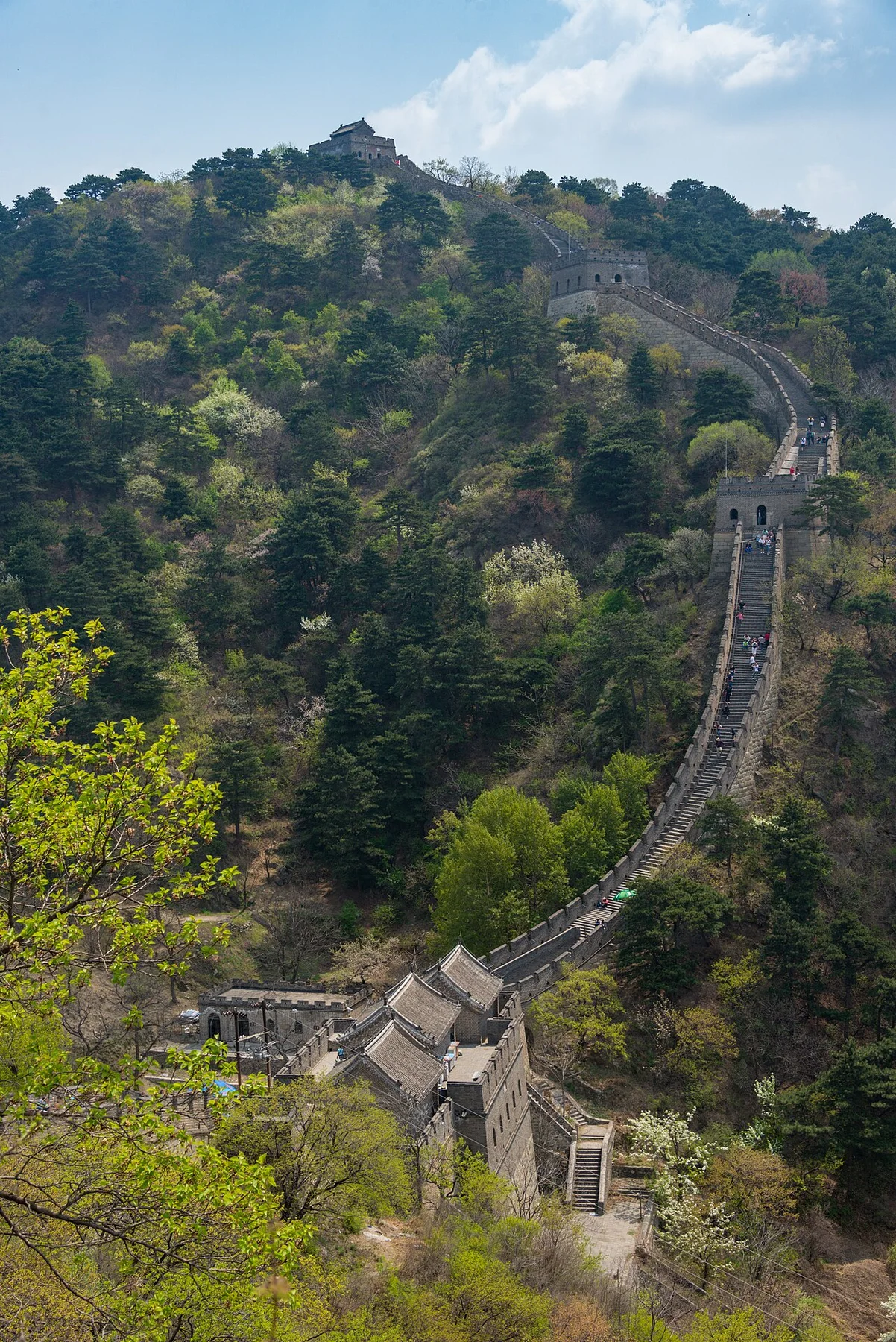
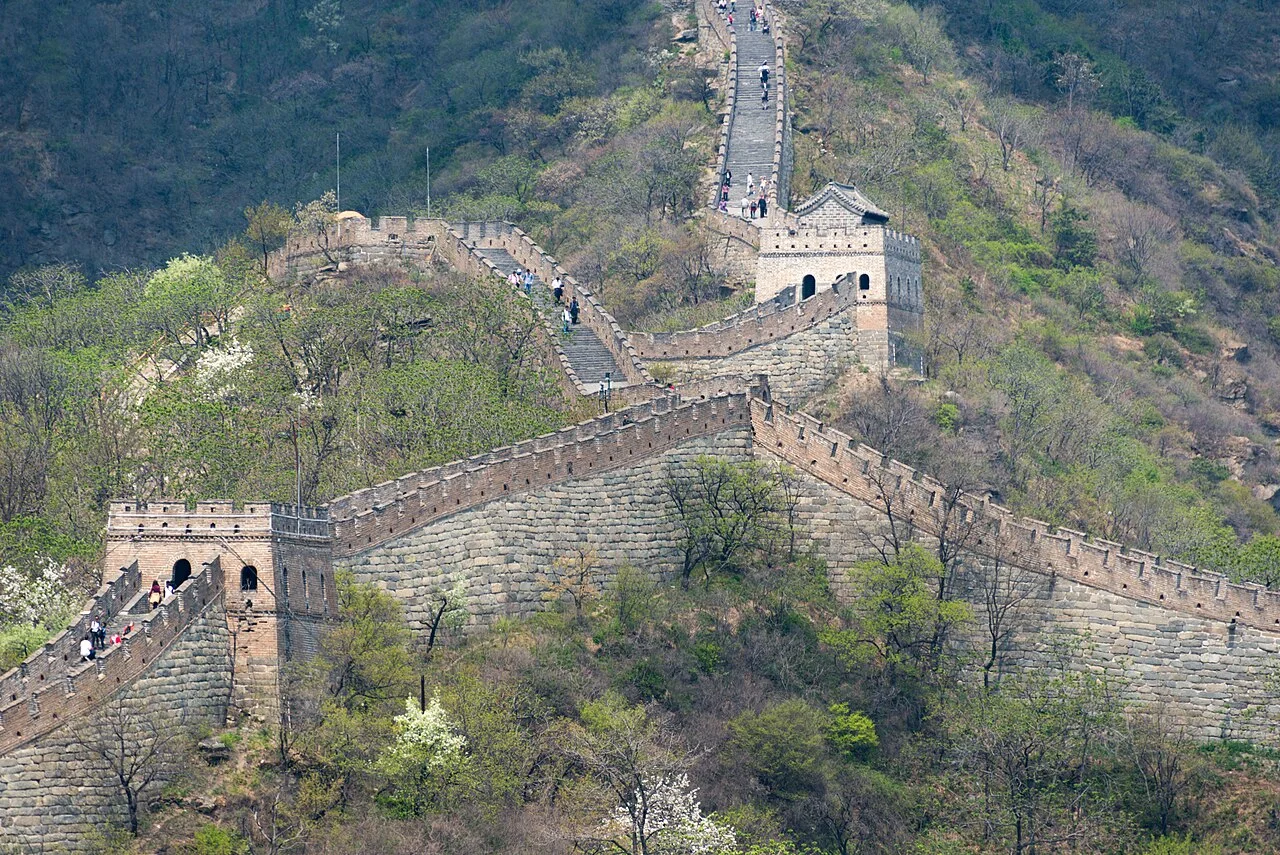
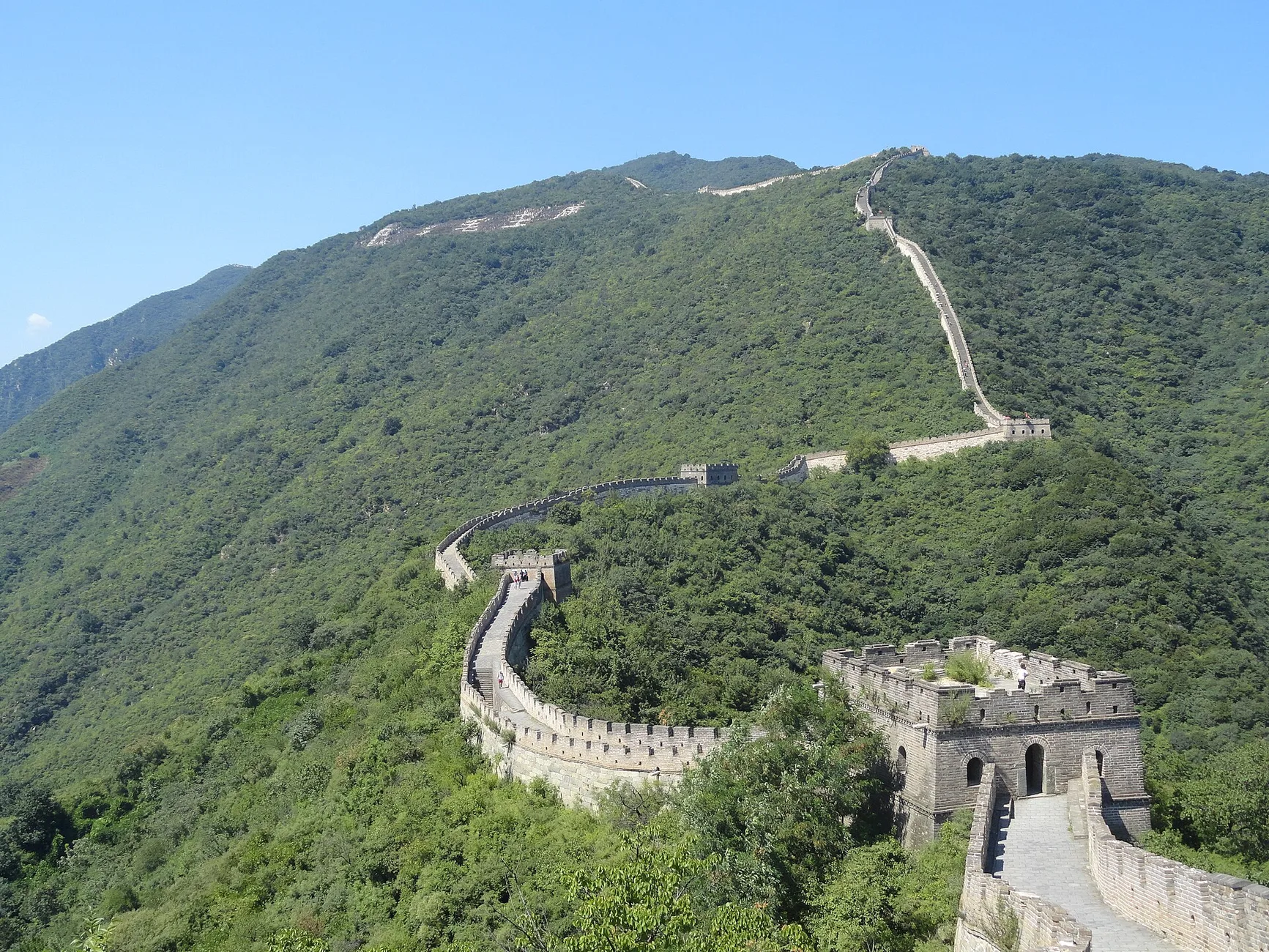
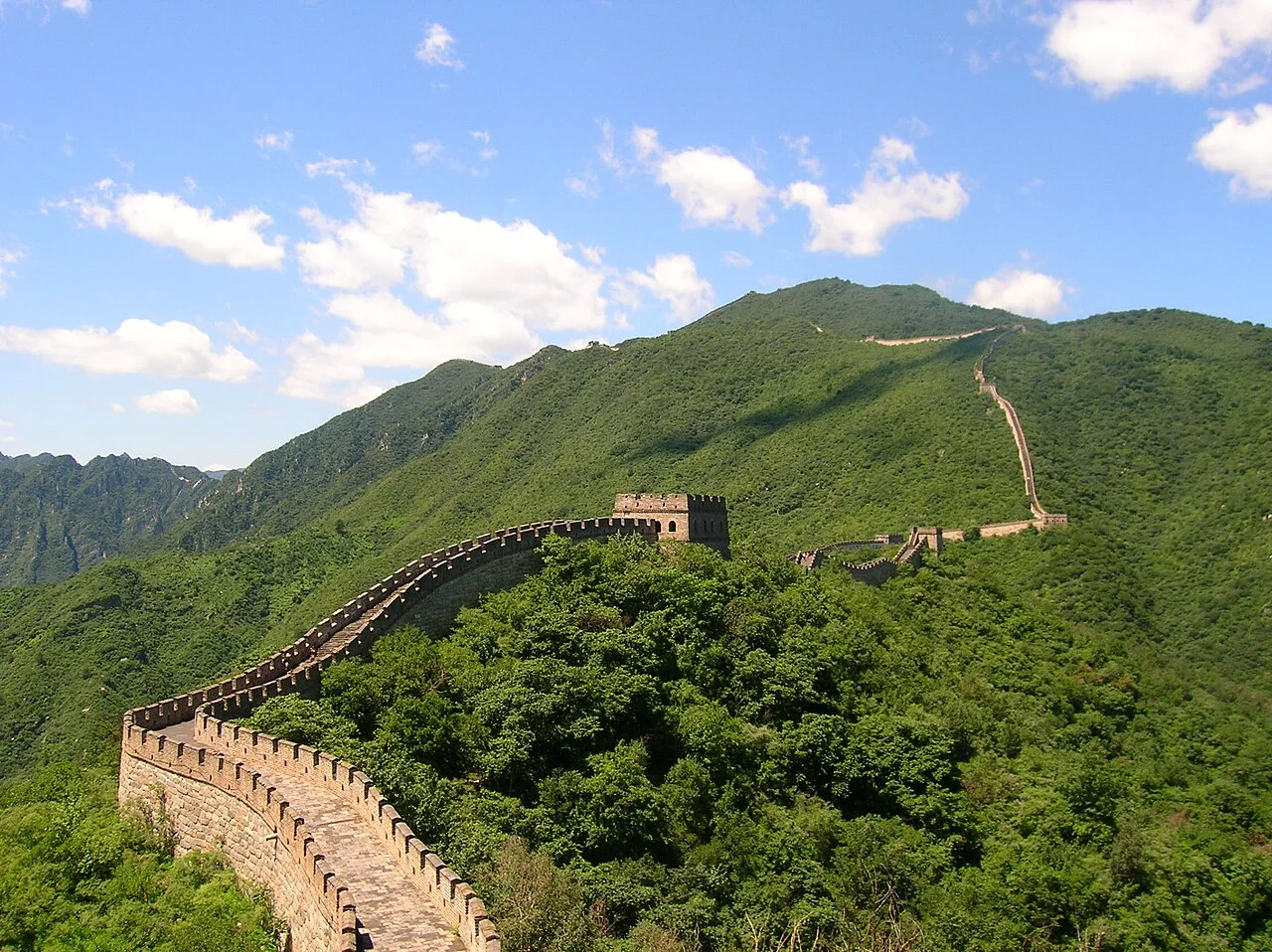
Mutianyu lies in Huairou District, northeast of central Beijing. The restored visitor section runs across steep wooded ridges, where the wall repeatedly climbs and dips with the terrain. Look for how the masonry follows the crest and how towers occupy changes in direction and elevation; the mountain setting is part of the fortification, not a backdrop added later.
The views change with each bend. From one tower, a section may appear to run straight along a ridge; from the next, overlapping ridgelines hide and reveal the wall in sequence. The exposed stone steps can be demanding, so choose a shorter out-and-back walk if steep climbs are not comfortable.
As you walk along the wall, use the watchtowers as places to pause and read the terrain. Look back at the slope you have just climbed, then ahead to see whether the wall turns or rises; this makes the ridgeline easier to follow. Vegetation changes with the seasons, while mist and visibility affect distant views. Even when you cannot see far, the relationship between the nearby wall and the land is still worth noticing.
Notice Zhengguantai
Zhengguantai, also called Mutianyu Pass, is distinguished by three hollow watchtowers standing side by side on one platform. The central tower is larger than the two flanking towers, creating a compact gate complex rather than a single isolated tower. Compare it with the individual towers along the ridge to see how the pass concentrates defense at a strategic low point between slopes.
The Mutianyu section is one part of the Great Wall system; it should not stand in for every period or region of the wall. Stonework visible today reflects both historic construction and later repair. Avoid treating every surface as untouched Ming fabric, and follow current on-site access signs around repaired or closed stretches.
Walking the Great Wall is not only a matter of distance: continuous steps, gradients, and changes in elevation also affect the effort required. Choose a route that suits your condition, wear shoes with grip that are suitable for stairs, and carry drinking water. Weather, repairs, or on-site management may change which sections are accessible, so follow the signs on the day. Do not climb the parapets, cross railings, or enter closed areas for photos.
Useful official references
Check the relevant official service before making arrangements. These links are references, not a guarantee of current services.