A sanctuary carved into the cliff
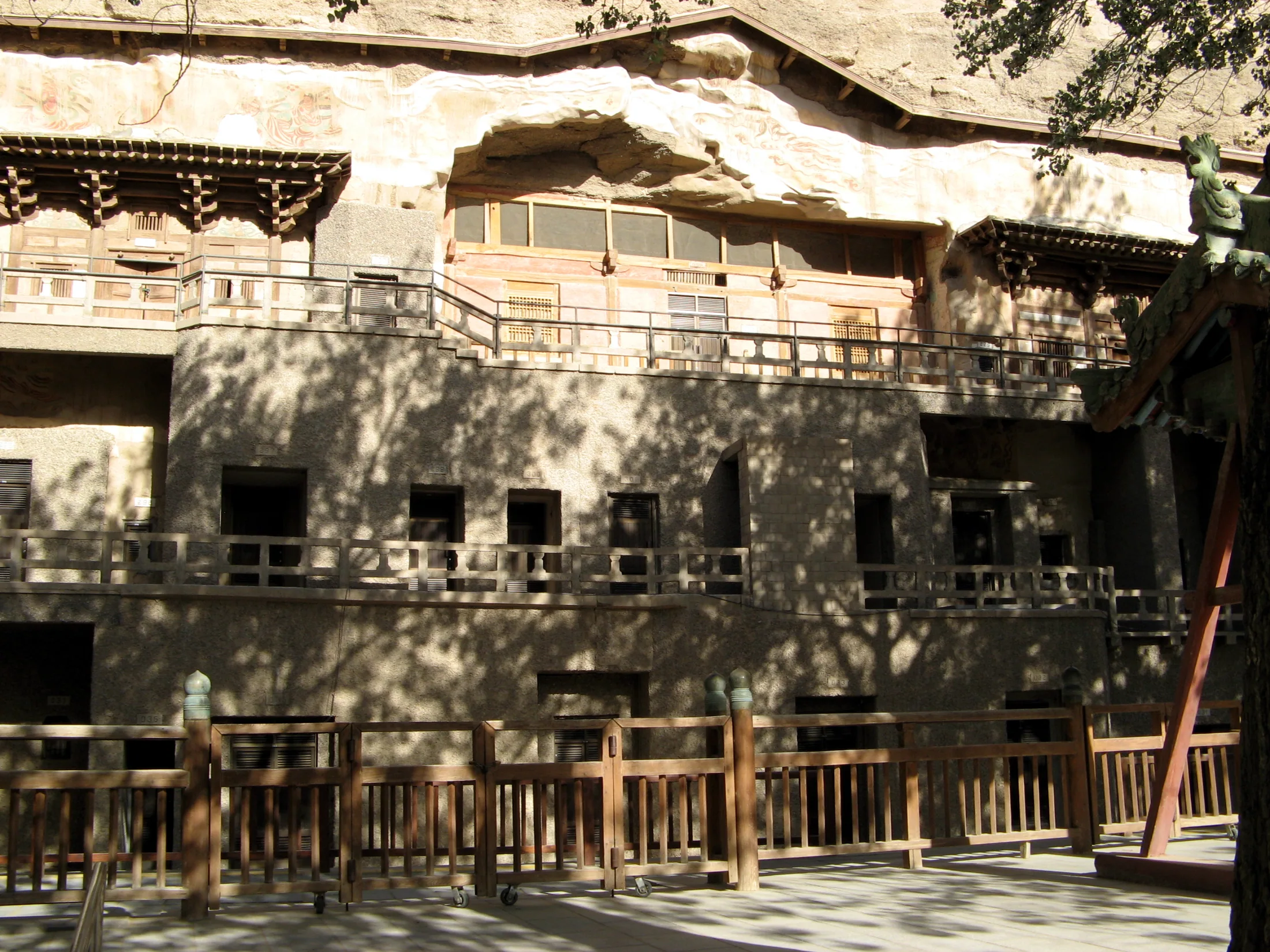
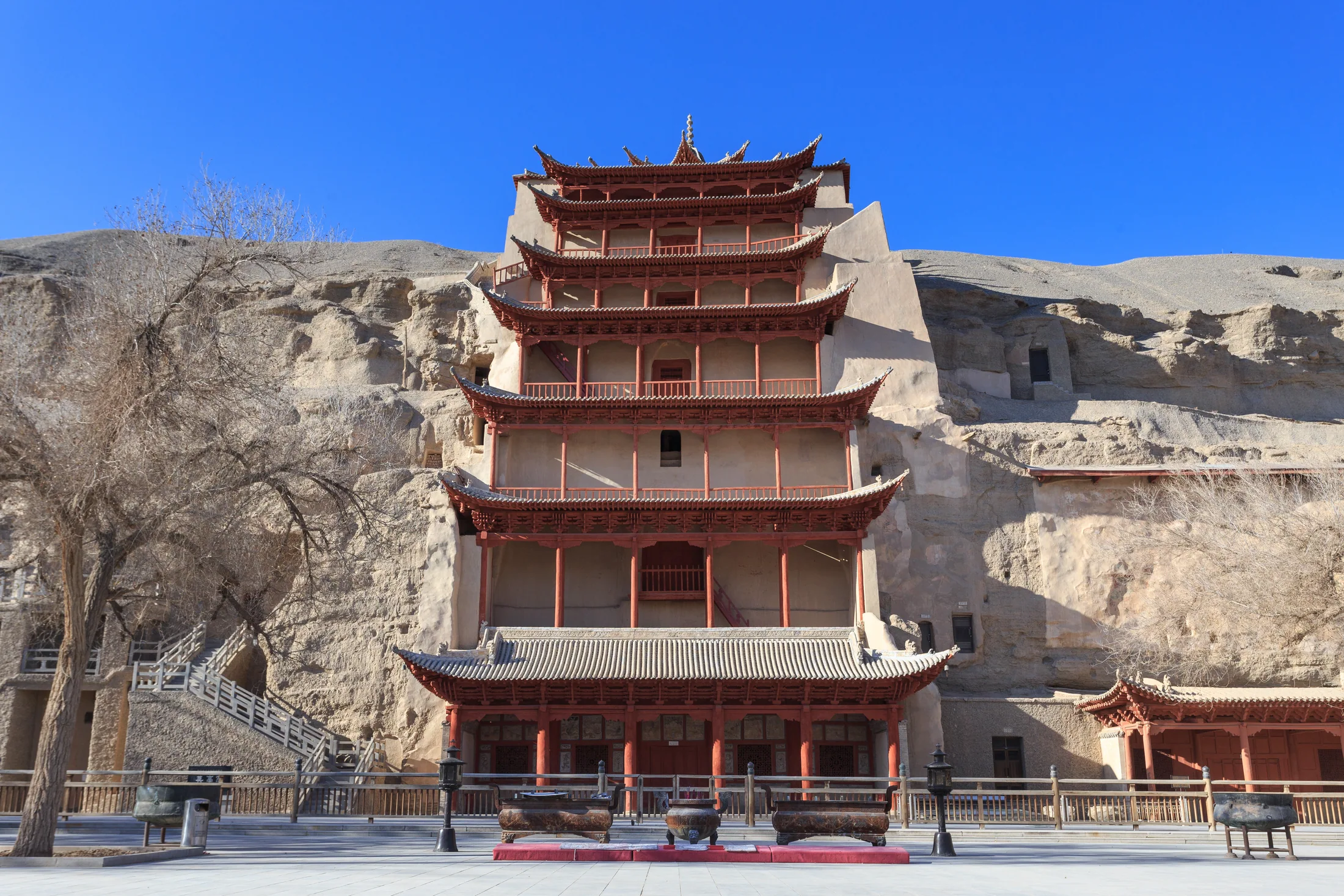
Near Dunhuang, the Mogao Caves preserve a record of Buddhist practice and artistic exchange along the Silk Road. UNESCO describes 492 caves and cave sanctuaries in the complex. Their painted walls and sculpted figures reflect ideas and styles that travelled between regions.
The caves were made and decorated over many centuries rather than as one unified project. Differences in scale, layout, painted themes and sculptural arrangement make the site easier to understand when you look closely at one cave at a time, instead of treating the cliff as a single monument.
What the art reveals
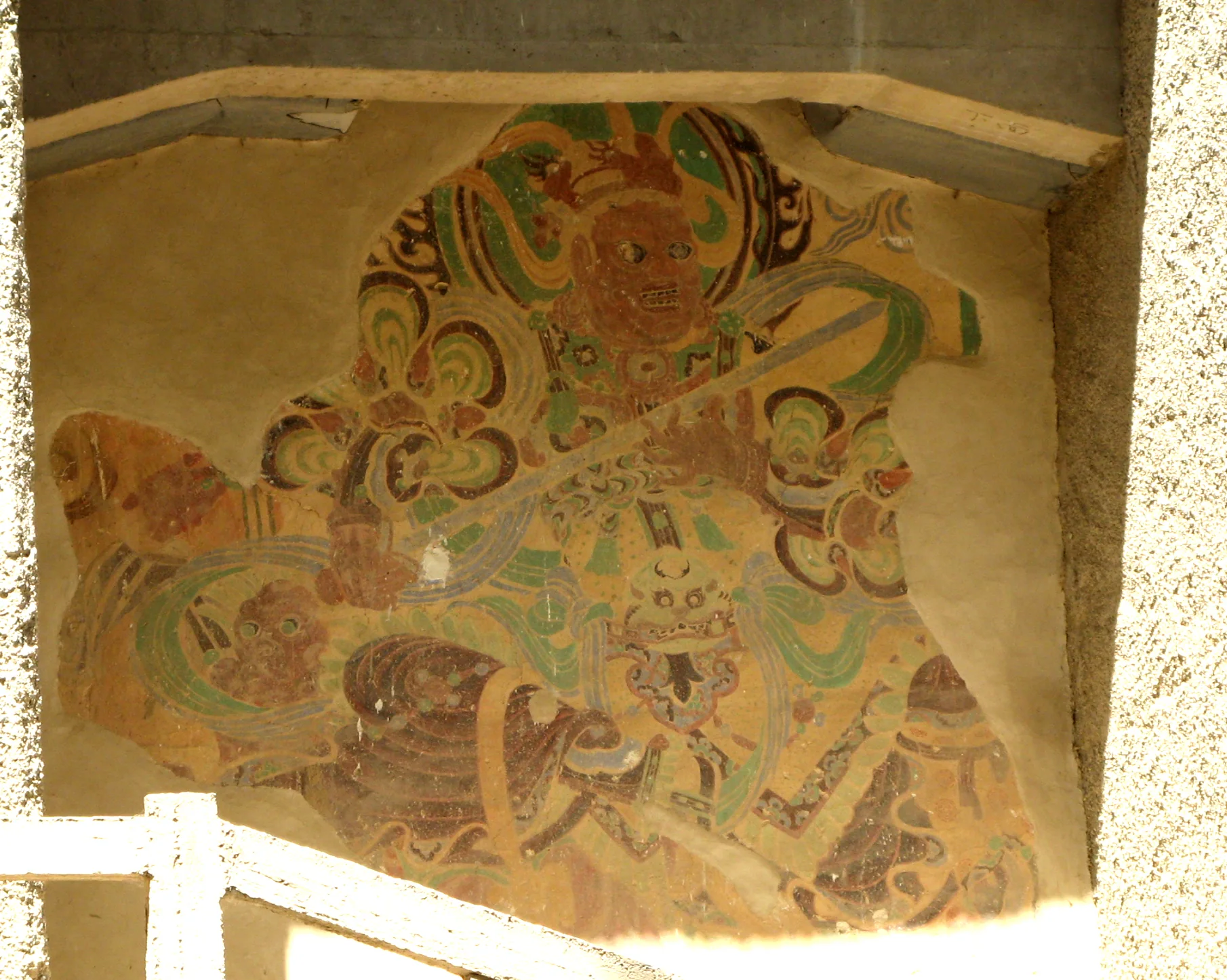
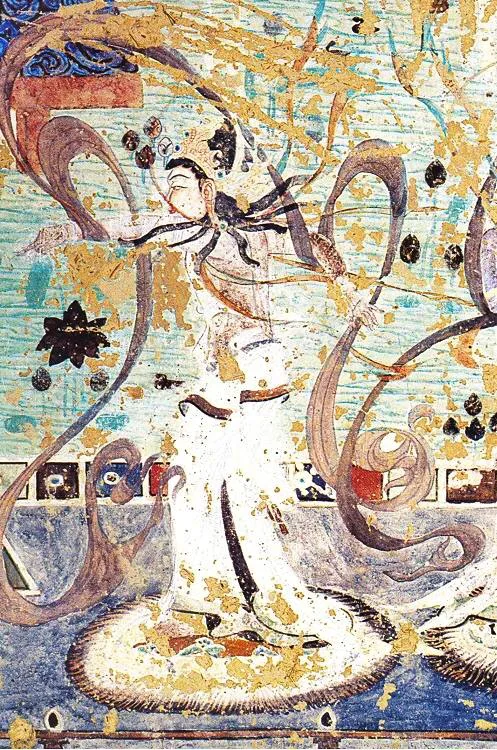
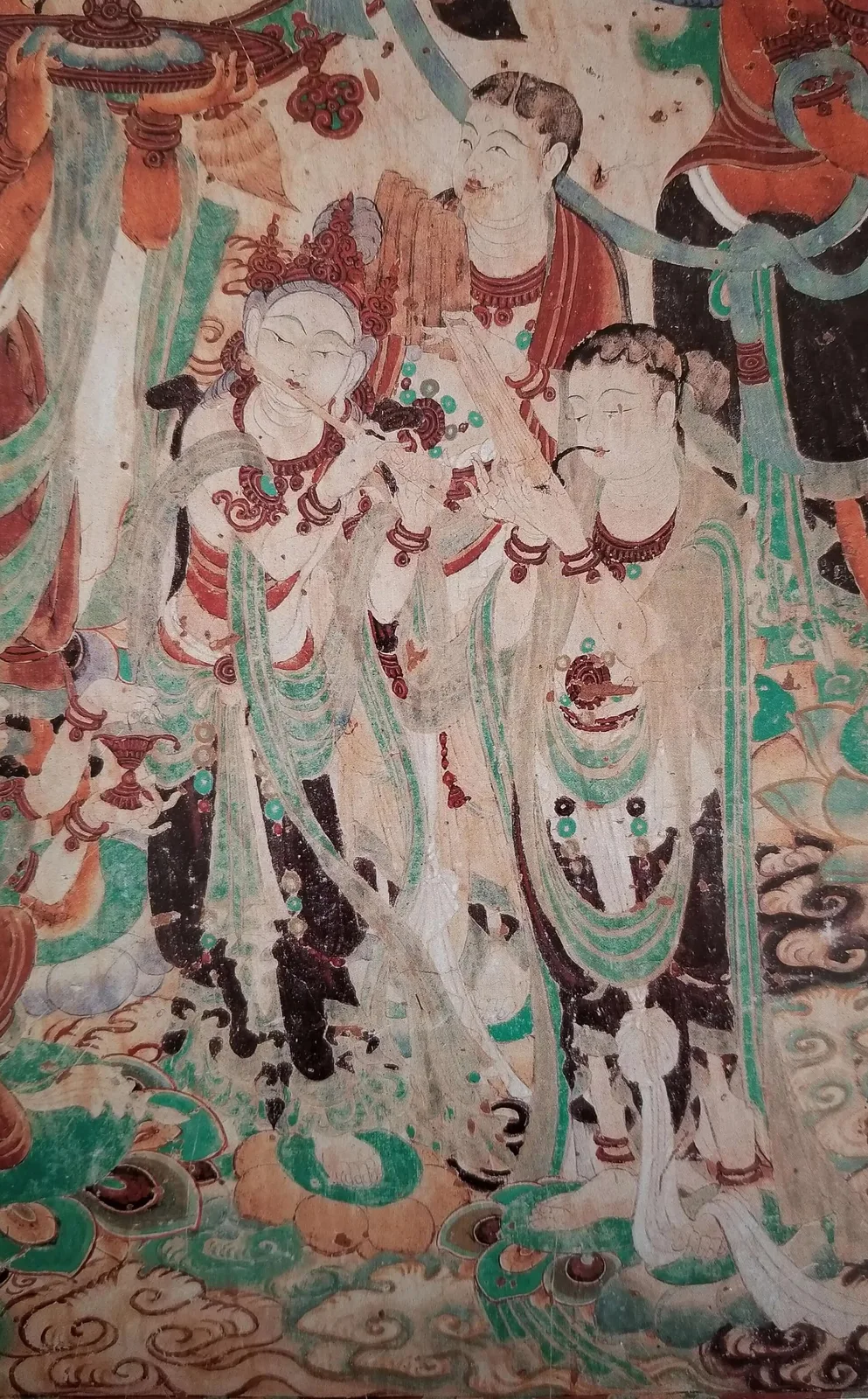
Mogao is valued for the relationship between architecture, sculpture and painting. A cave may bring together a central sculptural image, figures arranged around it and painted scenes across the walls and ceiling. The surviving works span roughly a millennium, so the visual language changes from one period to another.
Access to individual caves and visitor arrangements can change to protect the fragile interiors. Check the current official reservation information before visiting; this article does not promise that a particular cave, mural or route will be open on a given day.
Useful official references
Check the relevant official service before making arrangements. These links are references, not a guarantee of current services.