Distinguishing the town's different periods
Nantou Ancient Town, in Nanshan District, offers an introduction to the early history of the Shenzhen and Hong Kong region. Nantou became an administrative seat in AD 331 and later underwent changes in administration and fortification. Today's gates, remains, homes and renewed buildings date from different periods. Its nearly 1,700-year history refers to the area's role as a town and administrative centre, not to every visible building having been constructed during the Eastern Jin dynasty.
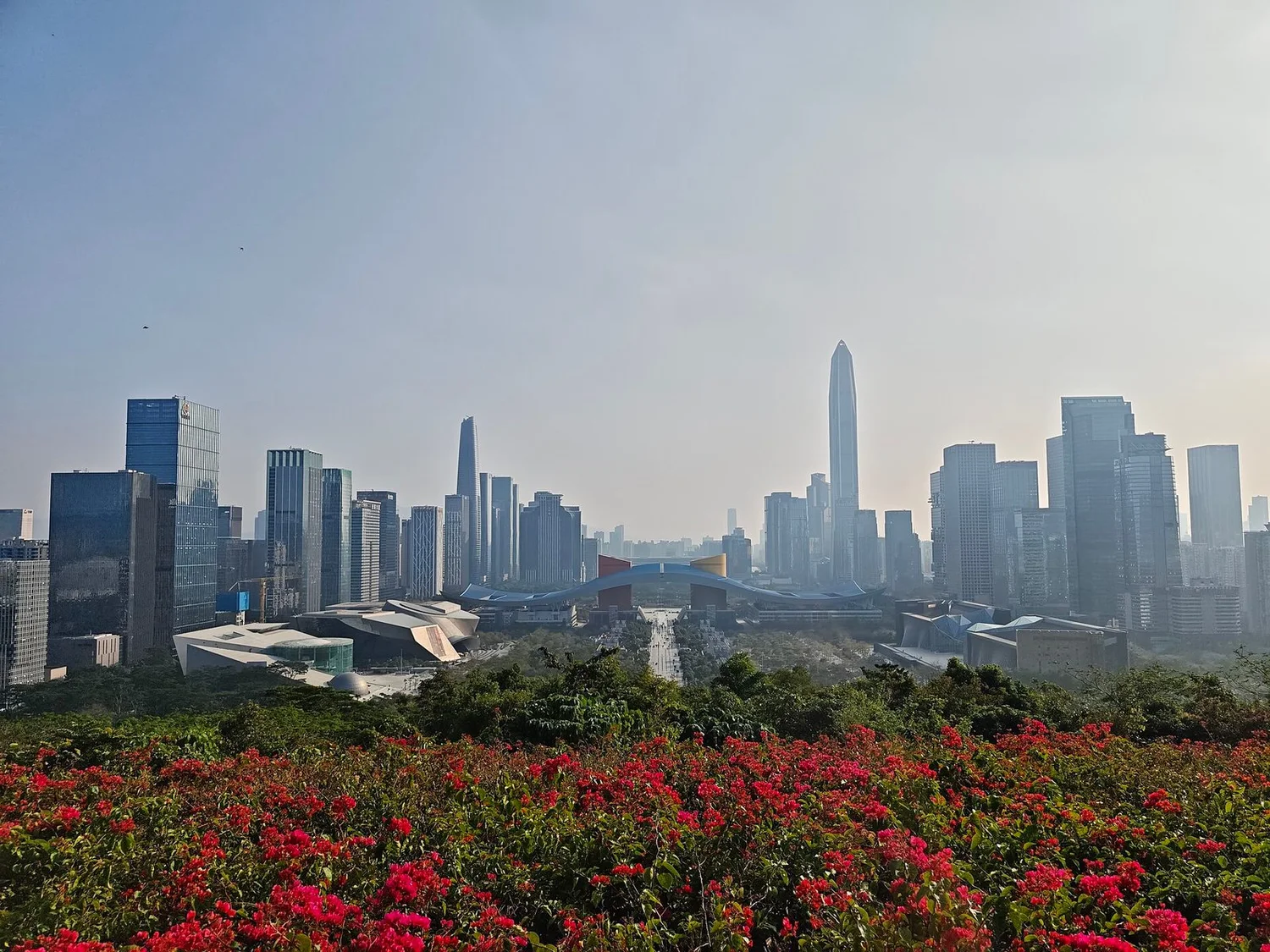
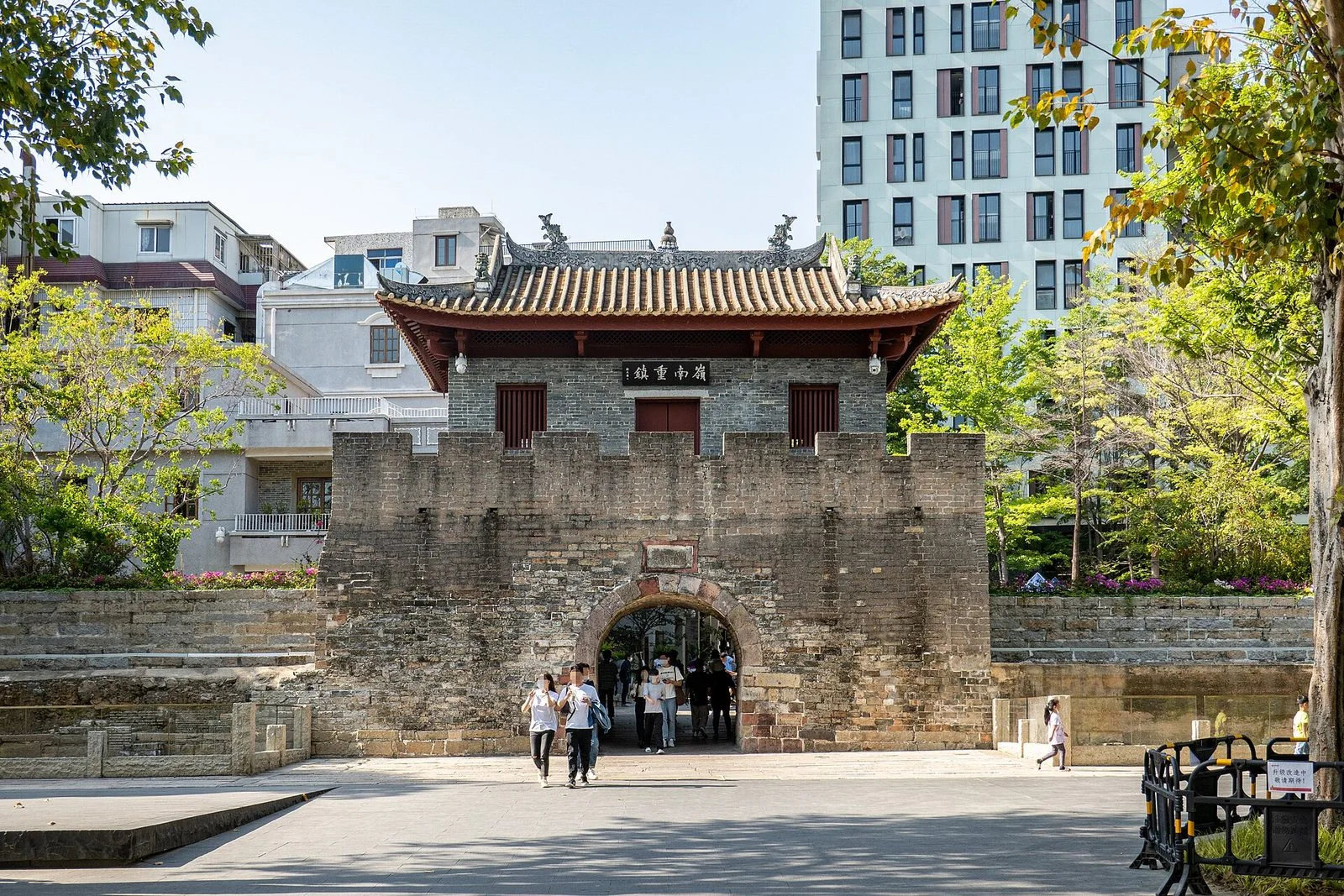
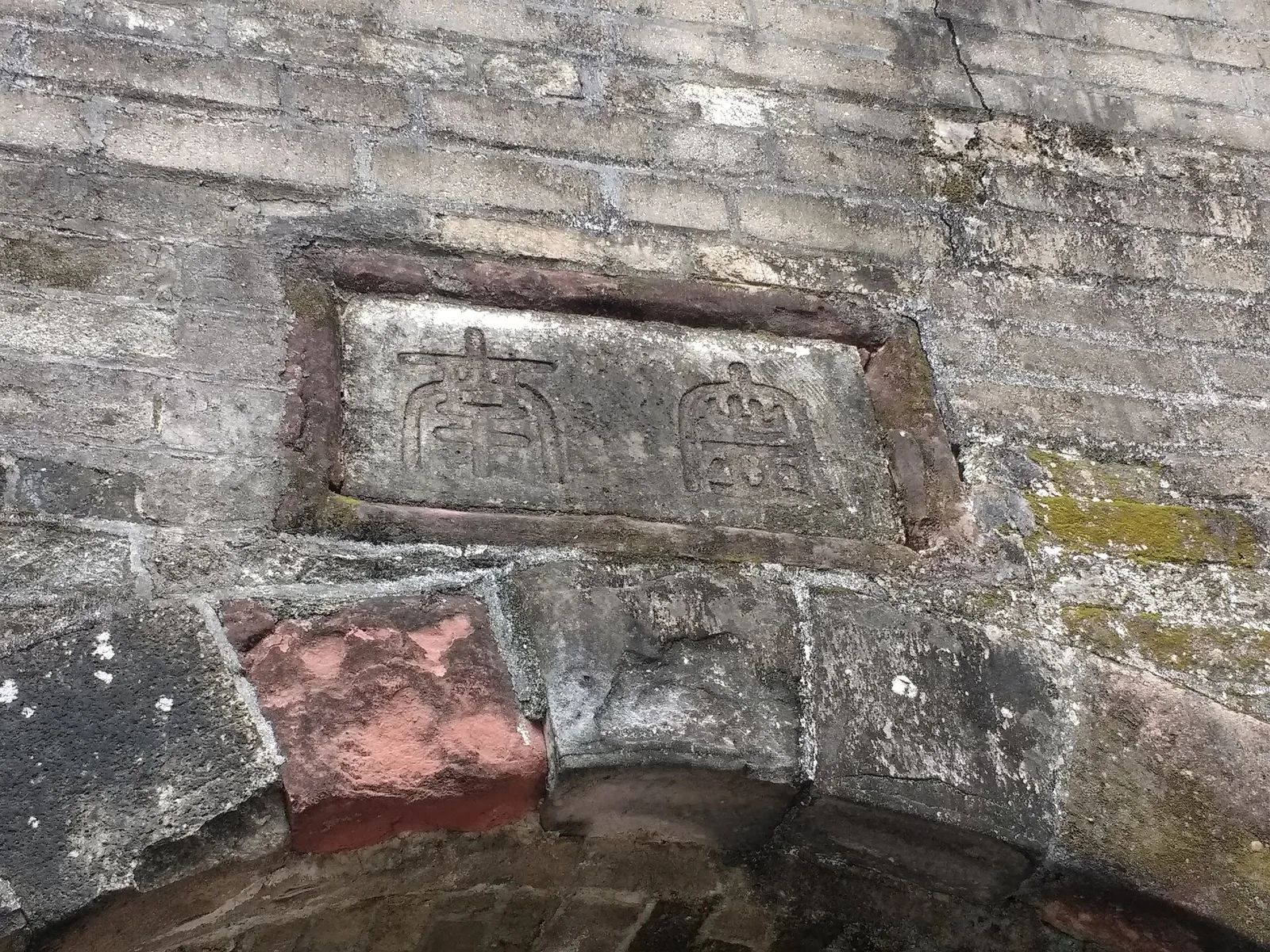
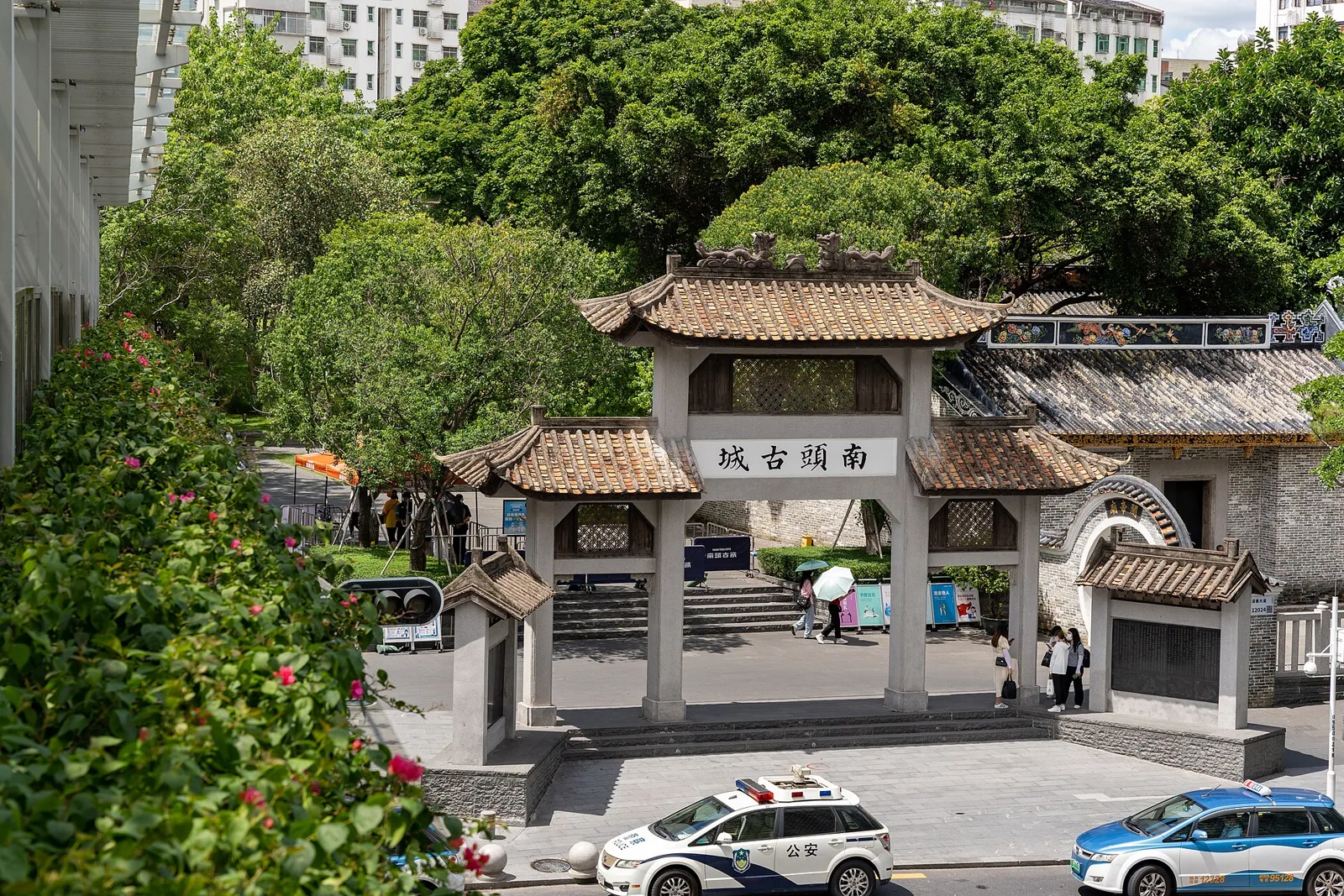
On entering through the south gate, look at the passage, bricks and the inscription Ningnan above it, then at the taller, denser modern buildings nearby. The old town lies within today's city, and the proximity of historic structures and later development is itself worth observing. It suits visitors interested in local history, urban renewal or neighbourhood architecture, and offers a different view of Shenzhen to those who know only its towers.
Reading the gates, remains and museum together
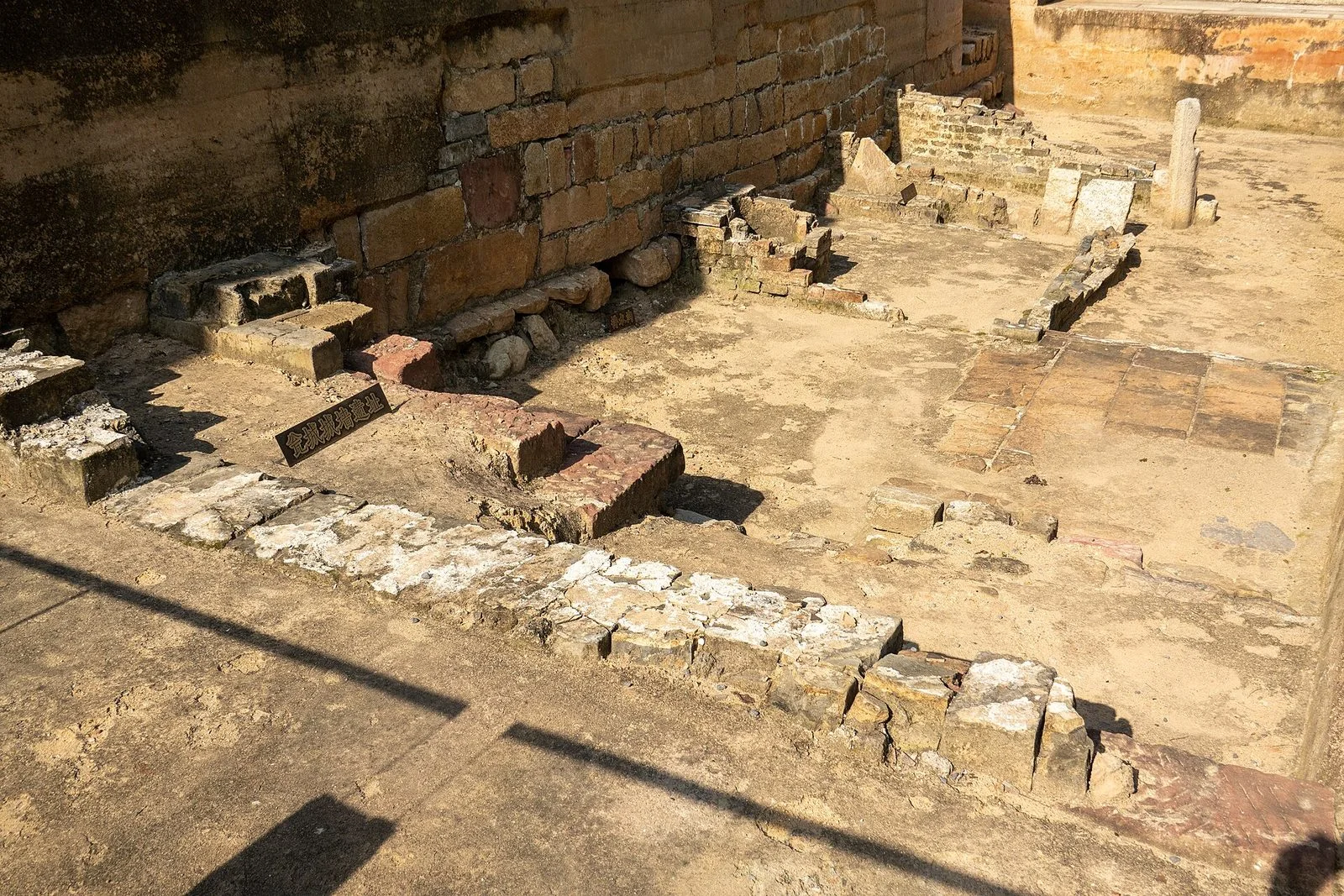
The Xin'an county office, wall remains and Nantou Ancient Town Museum explain different aspects of the town. Gates help identify its former boundaries, remains reveal historical layers underground or at the bases of buildings, and the museum connects regional development through objects and exhibitions. When viewing displays, notice how labels explain where objects were found, their dates and their uses, rather than treating every item as a separate grand historical story.
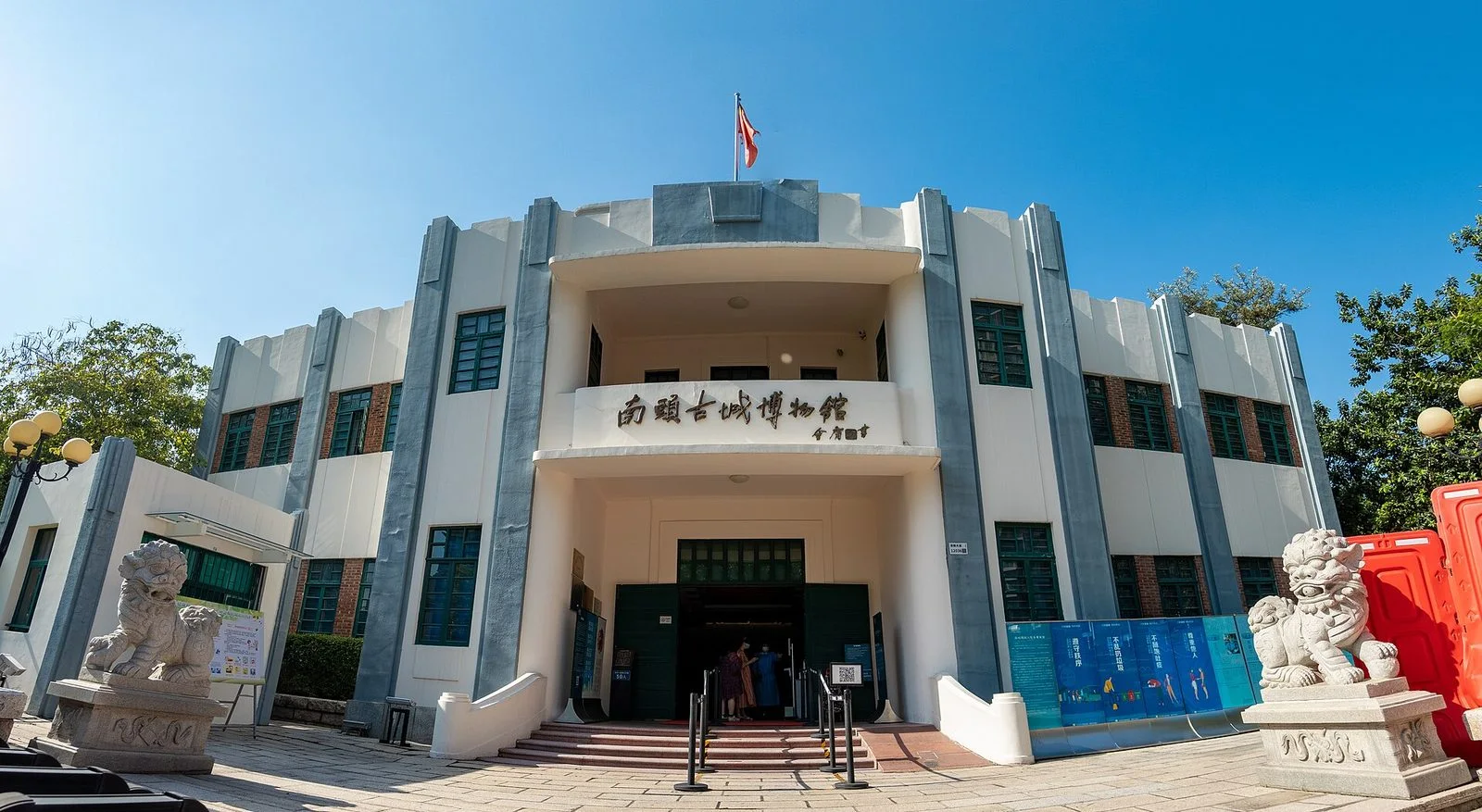
Nantou Ancient Town Museum is on the southwest side of the old town. Its official introduction gives the address as No. 2 Jiaochang, Nantou Subdistrict, Nanshan District. It has its own exhibitions and opening arrangements, which should be considered separately from walking the surrounding lanes. Check current museum information before making a special visit; fixed hours on a historical introduction page do not replace temporary closure or exhibition notices. Visitors browsing the streets should likewise not assume that every historic building is open inside.
Everyday life and shopping in a renewed district
After reopening following renewal in 2020, the town gradually gained shops, restaurants and cultural spaces. Some English-language material also uses the name Nantou City. Its lanes combine historical interpretation, adapted buildings and operating businesses. They suit browsing and observation as well as a longer stop in a shop or exhibition. Visitors expecting an entirely ancient site without modern commerce should understand this mixed use before coming.
Choose your focus according to your interests. History enthusiasts can check museum and historic-building access first; architecture and design enthusiasts can look at old and new materials and methods of adaptation; those coming for food and shopping can check individual businesses. Performances, lighting events and markets advertised on posters usually run on specific dates rather than every day. The lanes also contain homes and working businesses, so respect residential boundaries and avoid blocking doorways when taking photographs.
Useful official references
Check the relevant official service before making arrangements. These links are references, not a guarantee of current services.