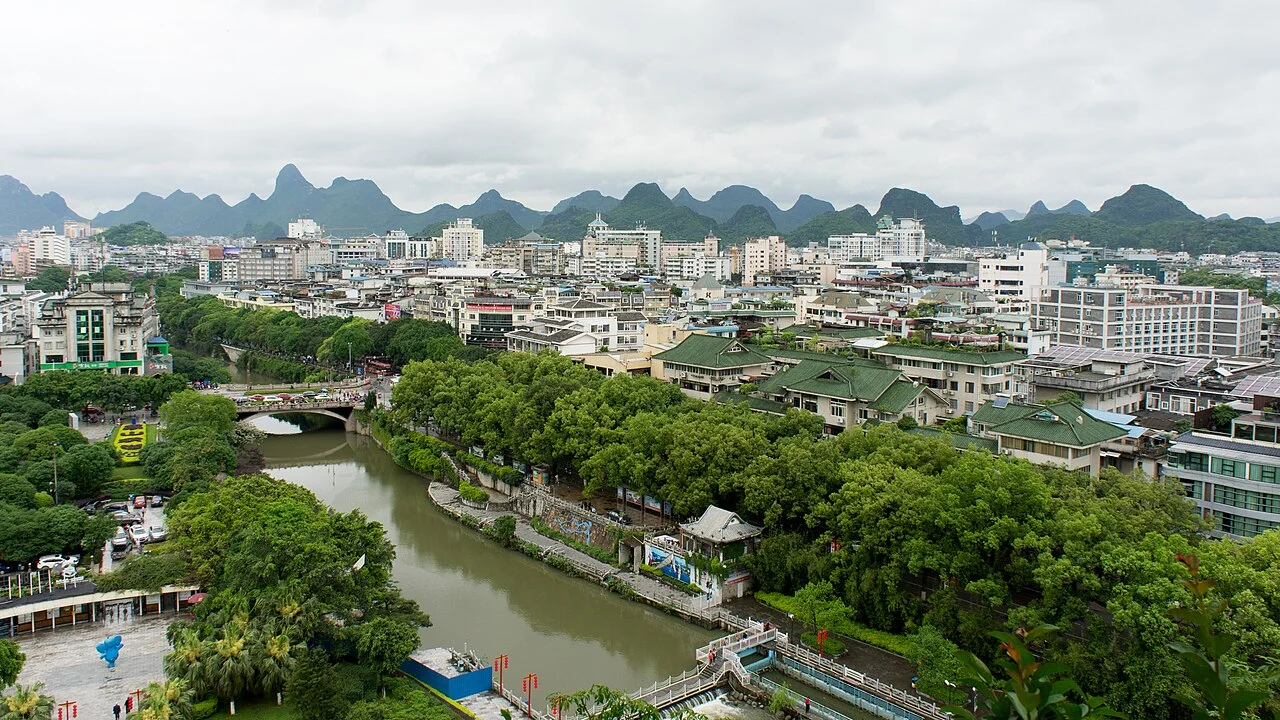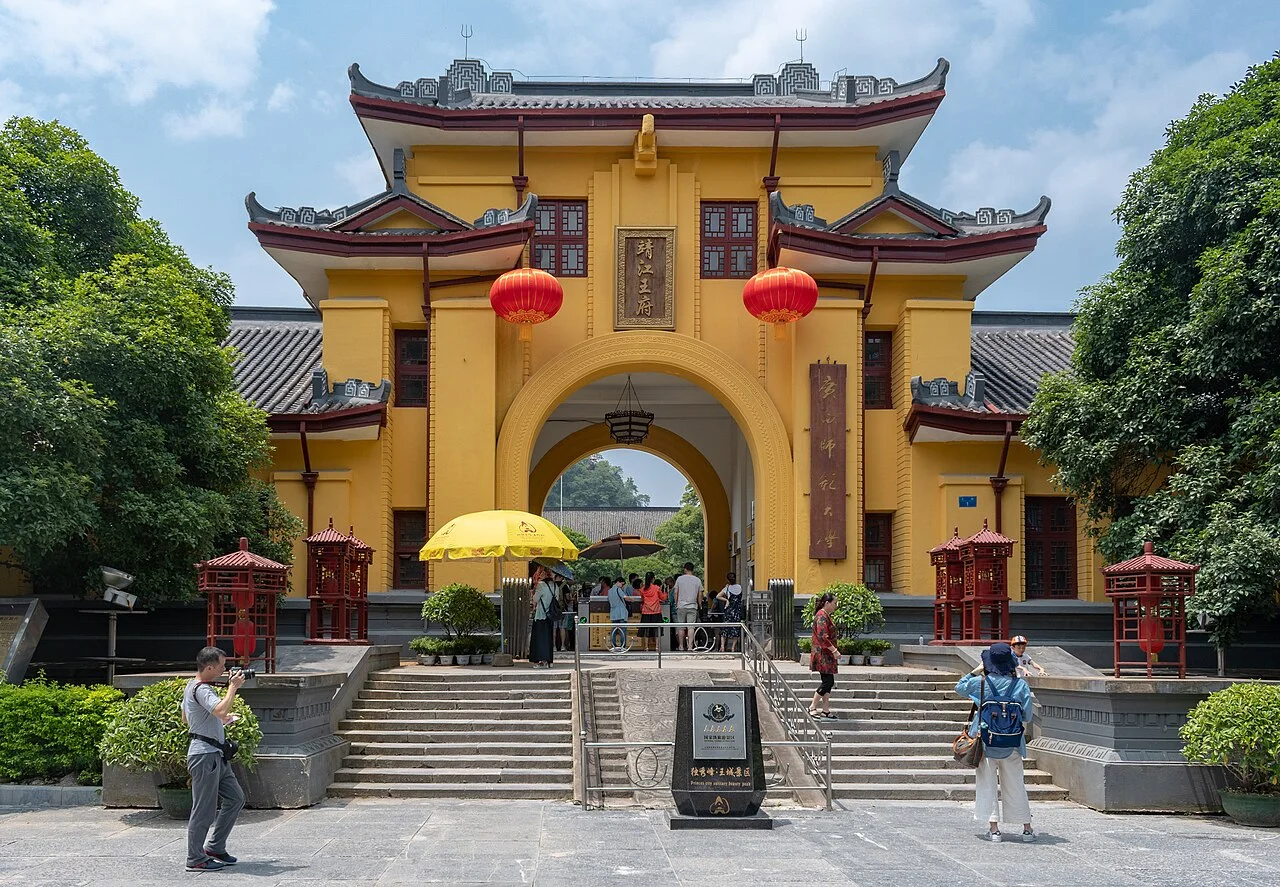
A palace built around a peak
Solitary Beauty Peak rises inside the walled compound, with palace buildings and courtyards arranged around its base. The Ming princes’ residence was founded in 1372. Rather than seeing the peak and palace as separate attractions, notice how the steep limestone mass anchors the enclosed plan and remains visible above the roofs.
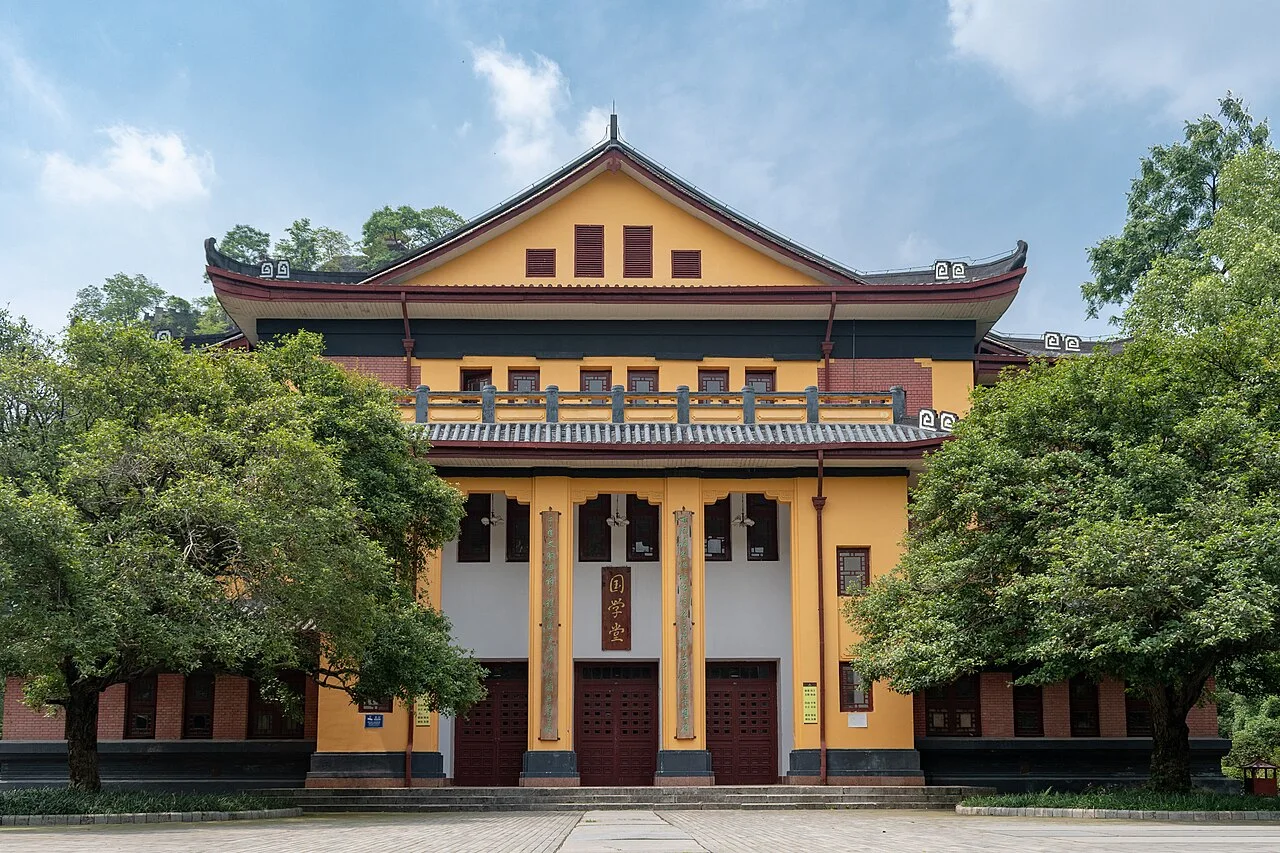
The site was used by 14 Jingjiang princes before it became the Guangxi provincial examination compound in the Qing period. That change in use links the compound to both hereditary rule and the civil-service examination system. The current buildings include remains and later repairs; do not assume that every hall visible today is an untouched Ming structure.
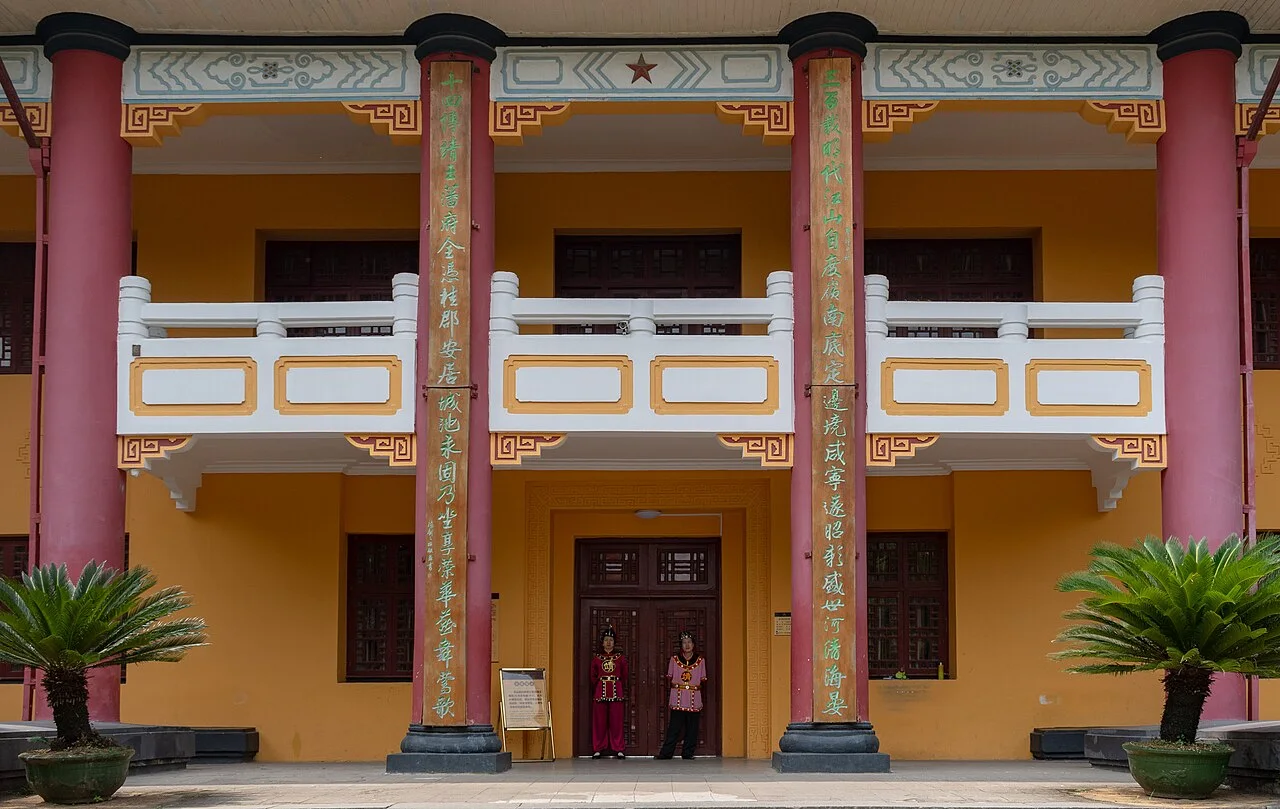
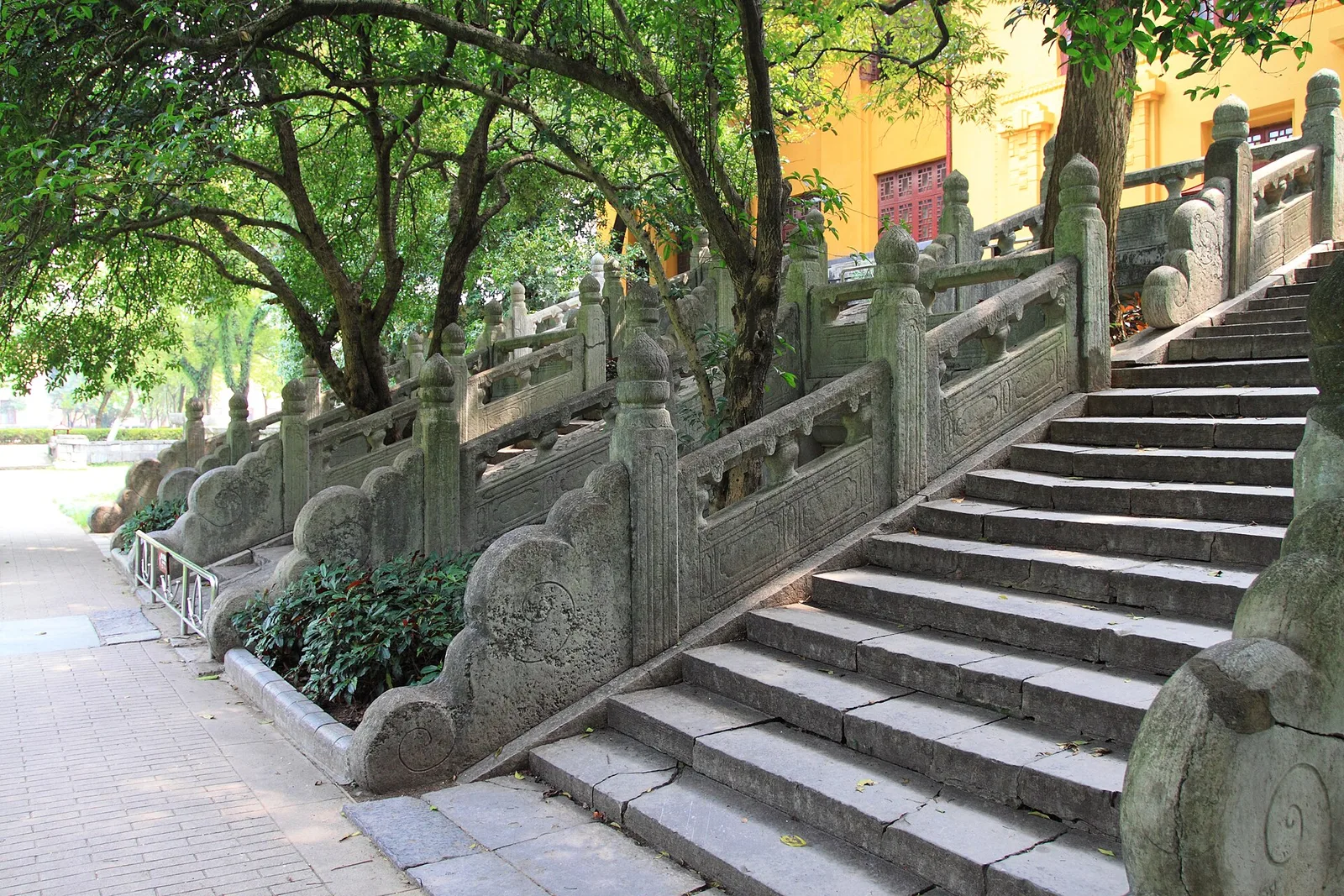
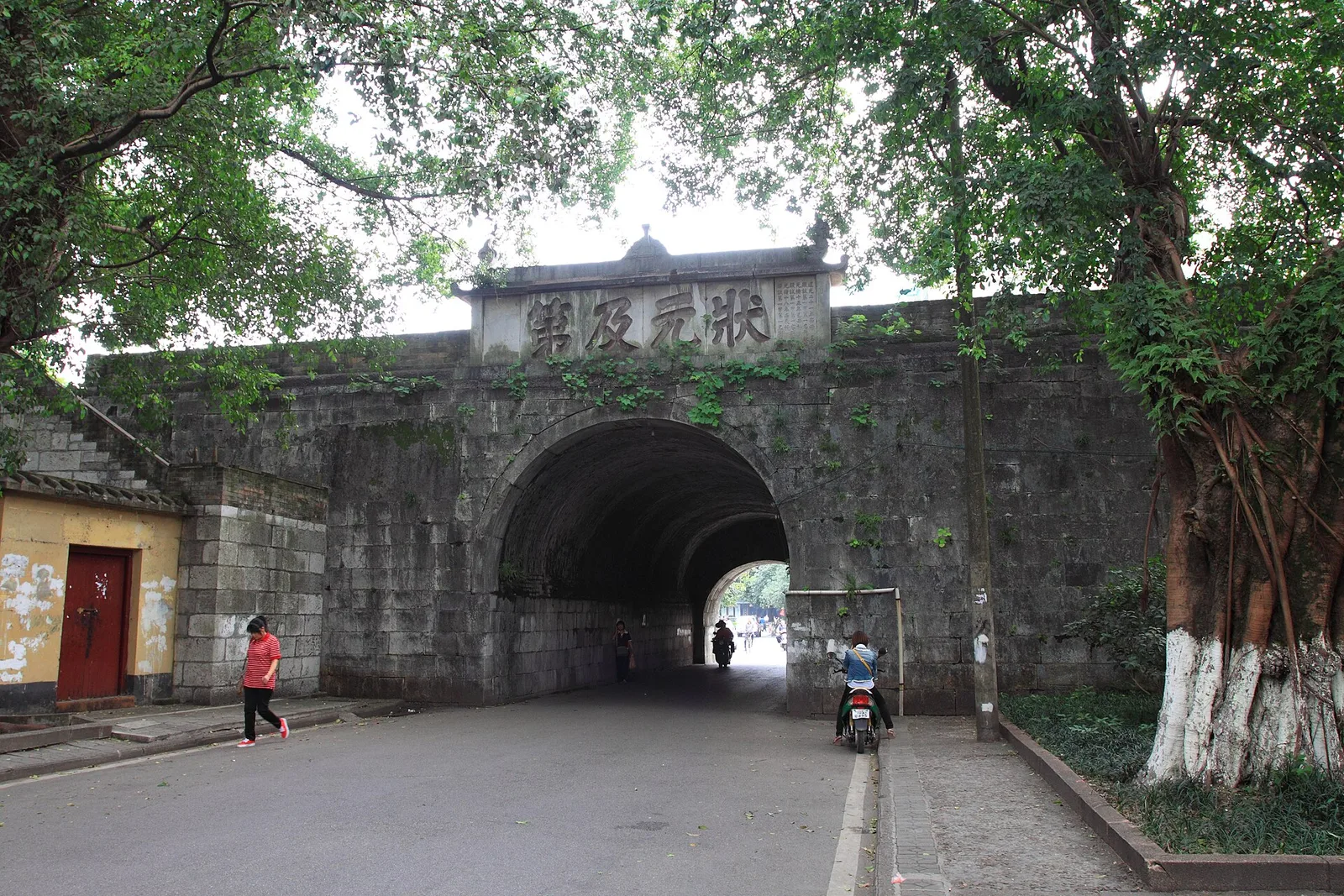
Read the stone as well as the buildings
The compound is a useful place to compare architecture, inscriptions and terrain in one walk. Look from a courtyard toward the peak, then turn back to read how walls and gates shape the route. The enclosed setting differs from Guilin’s open riverfront scenery, even though limestone remains the visual anchor.
Climbing the peak, where access is available, involves uneven steps and a steep route. Visitors interested mainly in the palace history can focus on the courtyards and displays instead. Check current on-site notices for access conditions, since routes and operating arrangements can change.
Useful official references
Check the relevant official service before making arrangements. These links are references, not a guarantee of current services.