Understanding the palace layout
The Forbidden City stands in the center of Beijing's old city and served as the imperial palace of the Ming and Qing dynasties. Construction began in 1406 and was completed in 1420; it became a World Heritage Site in 1987. Today, visitors can see both palace architecture and court collections in the galleries that are open. The buildings themselves are the starting point for understanding a visit.
The palaces are arranged along a north–south axis. The Outer Court at the front was primarily used for state ceremonies; farther back, the Inner Court housed the emperor and his consorts, with many more courtyards to the east and west. On a first visit, follow the axis to understand this transition, then choose one side area to examine more closely. This makes the original functions of the spaces easier to recognize than rushing through every palace gate.
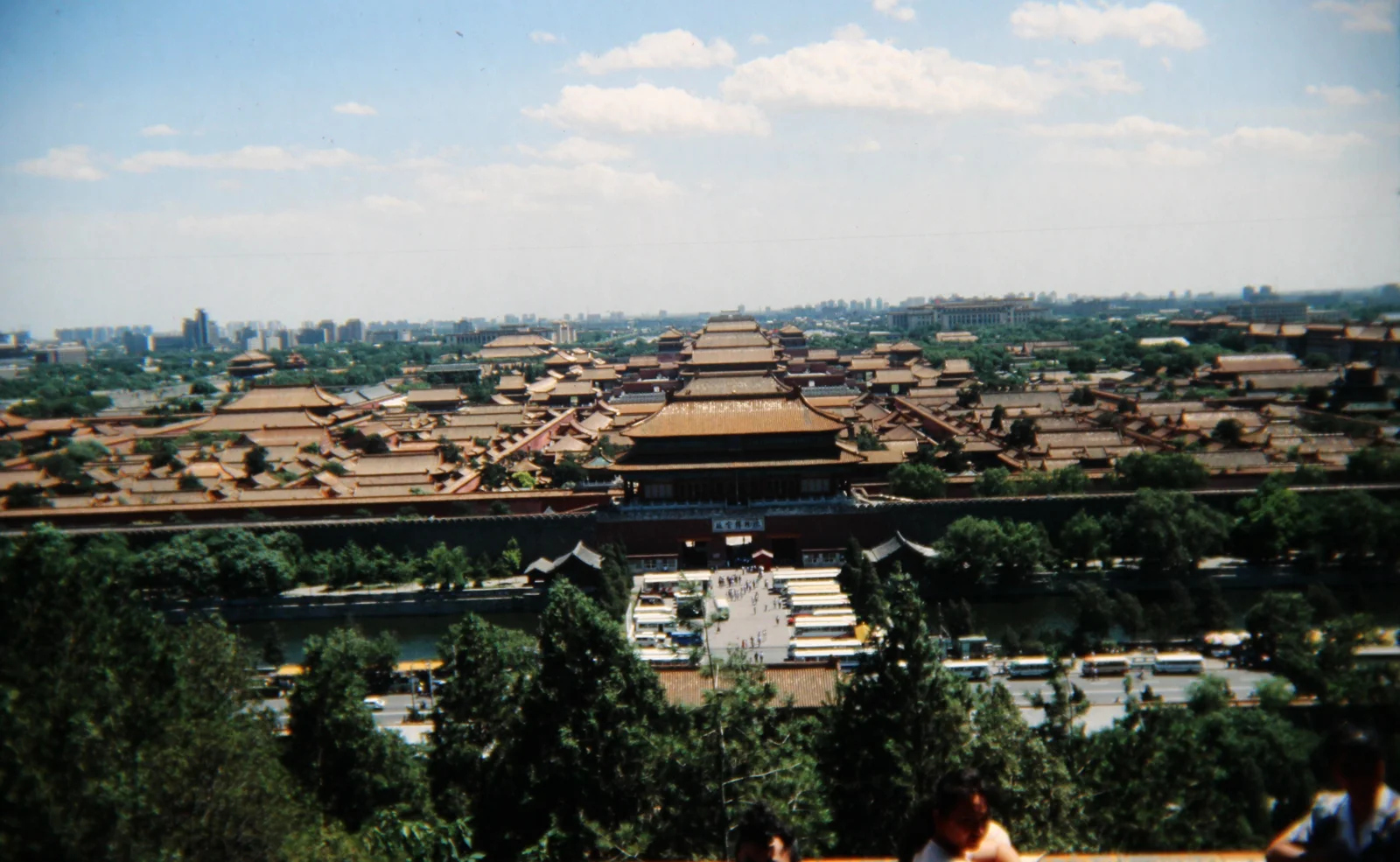
A useful outside viewpoint is the pavilion at the top of Jingshan, just north of the palace. From above, the roofs form a clear sequence along the central axis, while the courtyards and side halls spread out on either side. This view is especially helpful before a first visit: it gives the large complex a shape you can keep in mind as you move from the Outer Court towards the Inner Court.
The Three Great Halls and courtyard details
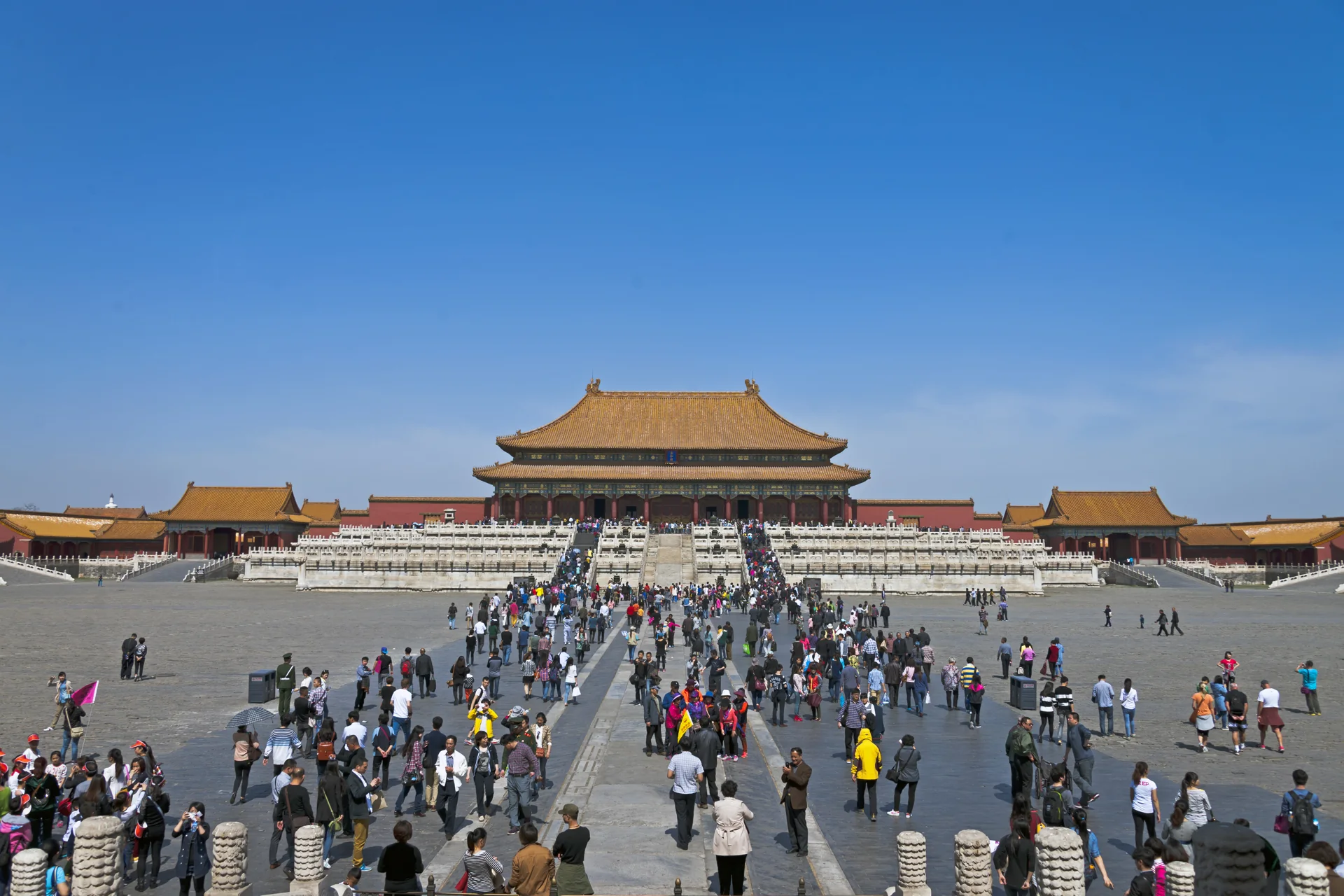
After entering through the Meridian Gate (Wumen) in the south, continue via the Gate of Supreme Harmony toward the Halls of Supreme Harmony, Central Harmony and Preserving Harmony. The Hall of Supreme Harmony is the largest hall in the Forbidden City. It stands on a three-tiered white marble terrace and was used for major ceremonies. First look from farther back in the courtyard to see how the hall, terrace and flanking buildings relate to one another, then approach along the designated paths to understand its place in the complex.
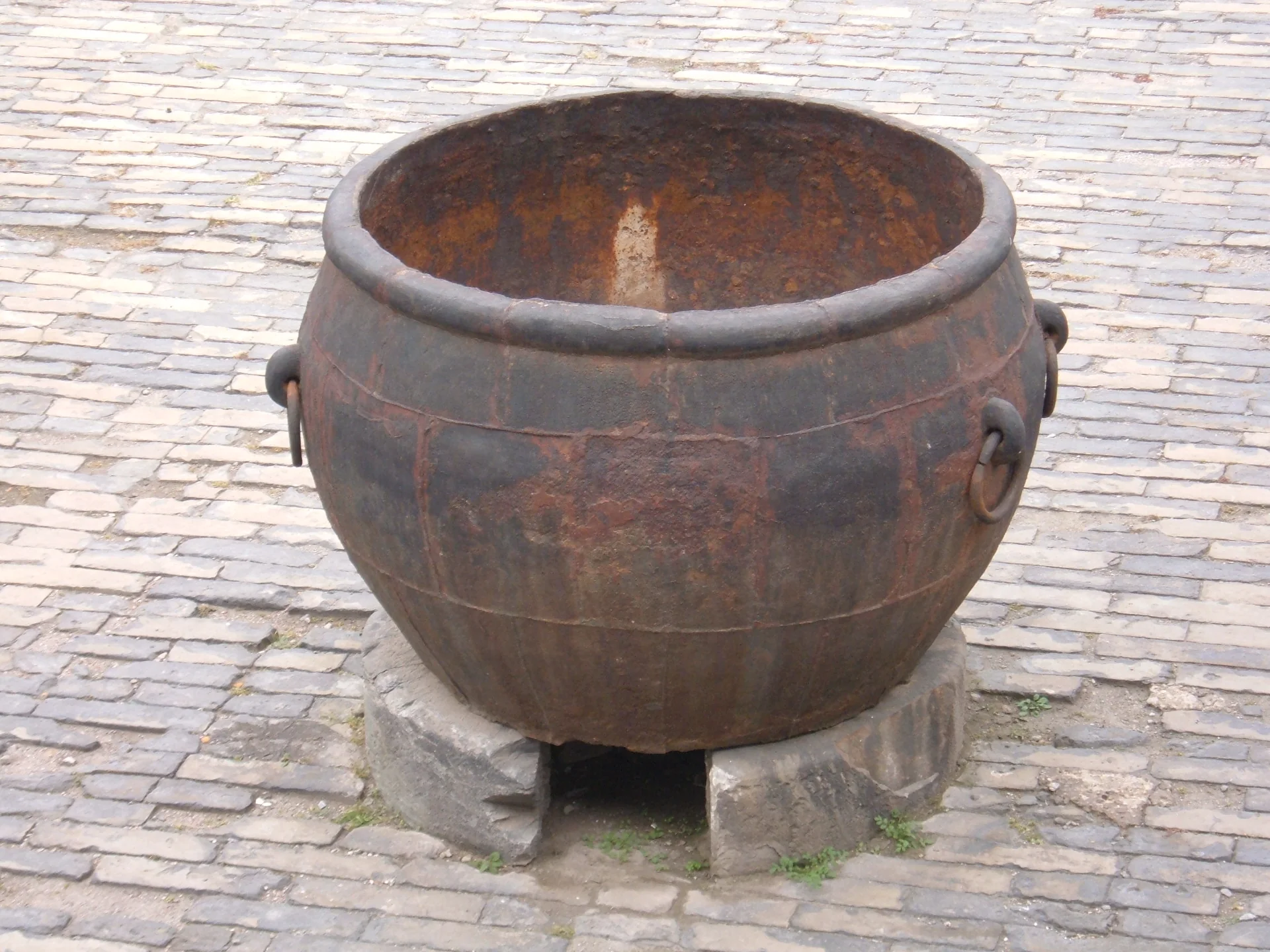
Look for the small roof figures, terrace balustrades and large vats in the courtyards. The ten animal figures at the corners of the Hall of Supreme Harmony's roof are a clear sign of its architectural rank. The vats, also known as taiping gang or menhai, once held water for firefighting. These features served both decorative and practical purposes. As well as photographing the hall doors, take time to look at the objects close by on either side of the courtyards.
The Inner Court and Imperial Garden
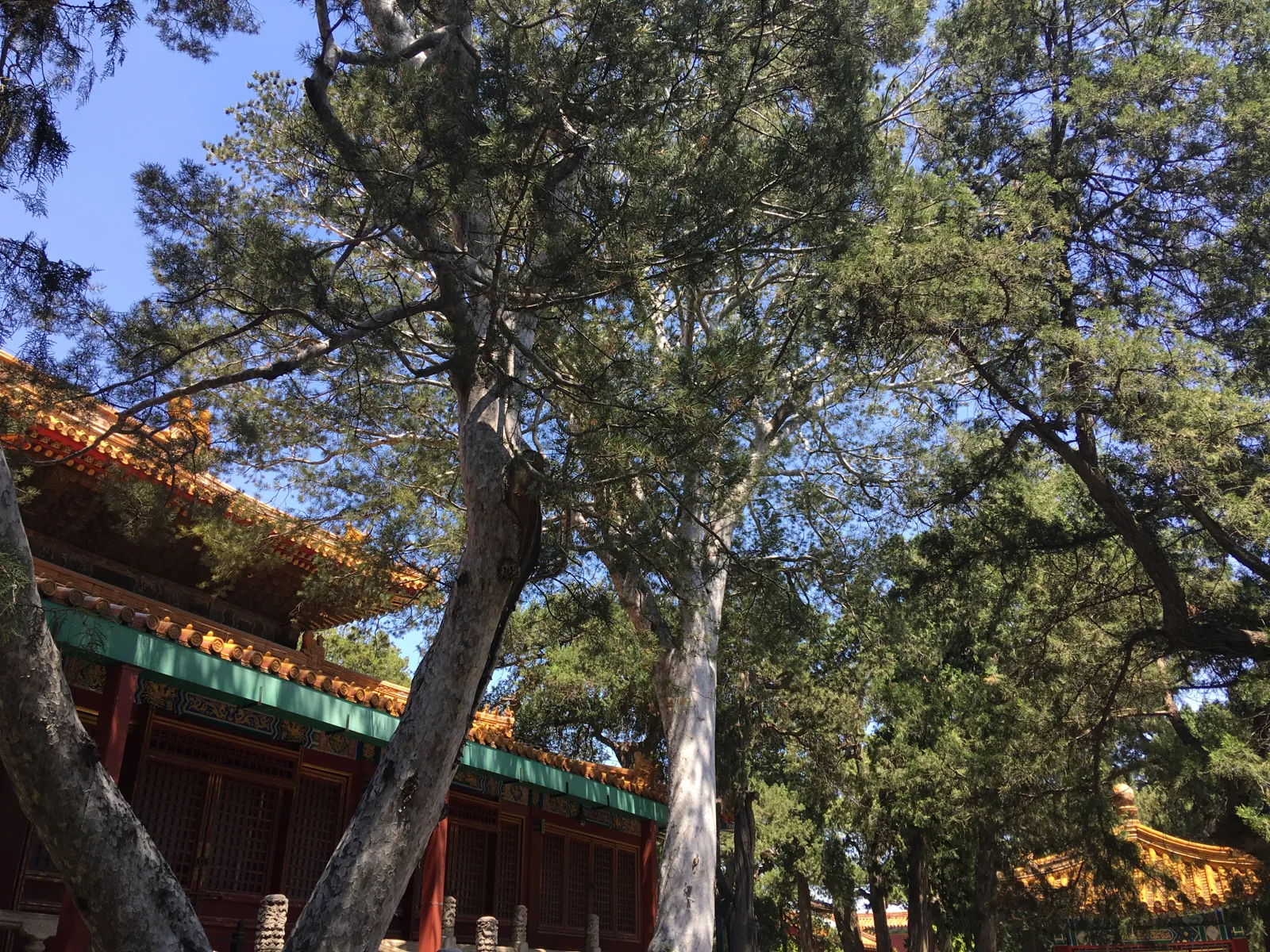
Continuing north brings you into the Inner Court around the Palace of Heavenly Purity (Qianqing Gong), then to the Imperial Garden north of the Palace of Earthly Tranquility (Kunning Gong). Centered on the Hall of Imperial Peace (Qin'an Dian), the garden gathers pavilions, rock formations and old trees into a relatively compact space, quite different from the open ceremonial courtyards farther south. Look down at the patterns in the pebble paving, then up at the pavilion roofs and spreading branches. The garden is worth more than a quick walk through on the way to the exit.
A visit mainly takes you through courtyards, open passageways and galleries; it does not mean that you can enter every palace building. Adjust your route through the side areas according to barriers, closure signs and gallery queues on the day, rather than repeatedly doubling back to fit in another stop. Following the central axis and looking closely at one or two areas will usually suit a first visit better than trying to check off the entire map.
Choosing the Ningshou Palace area or special exhibitions
If glazed decoration and court collections interest you, set aside time for the Ningshou Palace area on the eastern side. The Nine-Dragon Screen outside the Gate of Imperial Supremacy (Huangji Men) was built in 1772, with nine relief dragons set against blue and green clouds and water. A wide view shows the arrangement of all nine dragons. Up close, compare their bodies, flaming pearls and cloud and water patterns to see how their poses differ.
As checked on November 10, 2026, the Treasure Gallery and the Gallery of Clocks each require a separate RMB 10 ticket, and some exhibitions also require a separate reservation. If you want to see a special exhibition, check its tickets and opening arrangements before setting aside time for it. With only half a day and an interest mainly in architecture, you could focus on the central axis and Imperial Garden. Allow about 4–5 hours for a first visit: this is a planning estimate that includes walking, looking around and short breaks. Exhibition queues can add time.

Reservations, entrances and opening hours
As of November 10, 2026, the Forbidden City does not sell same-day tickets. Reservations for admission and exhibitions open at 20:00 seven days before the visit. Foreign visitors can book with a passport and must bring the original valid document used for the reservation. Follow the official ticket links from the Palace Museum website or use its official mini program, 故宫博物院. The Meridian Gate (Wumen) is the only visitor entrance; exits are through Shenwu Men in the north or Donghua Men in the east. If you are visiting only the Forbidden City, you can reach Wumen along East or West Tongzihe Road without passing through Tiananmen Square.
The regular arrangements checked on the same date specify closure on Mondays, except statutory holidays. From April 1 to October 31, opening hours are 8:30–17:00, with last admission at 16:00 and adult admission at RMB 60. From November 1 to March 31, opening hours are 8:30–16:30, with last admission at 15:30 and adult admission at RMB 40. Morning tickets must be scanned by 12:00 noon that day; afternoon tickets can be scanned from 11:00. Arrive for the session you booked rather than relying only on the final admission time.
Walking inside involves steps, steep slopes and uneven surfaces, so wear shoes suitable for a long walk. Much of the route is through outdoor courtyards: bring sun protection and water in summer, and warm clothing in winter. If you plan to continue to Jingshan, leave through Shenwu Men to avoid walking back to the north after exiting through Donghua Men.
Useful official references
Check the relevant official service before making arrangements. These links are references, not a guarantee of current services.
- Palace Museum: Visitor Information ↗
- Palace Museum: Opening Hours and Admission Prices ↗
- Palace Museum: Hall of Supreme Harmony ↗
- Palace Museum: Imperial Garden ↗
- Palace Museum: Nine-Dragon Screen ↗
- UNESCO: Imperial Palaces of the Ming and Qing Dynasties ↗
- Dongcheng District Government, Beijing: Firefighting Uses of the Taiping Vats ↗