Understanding the three valleys
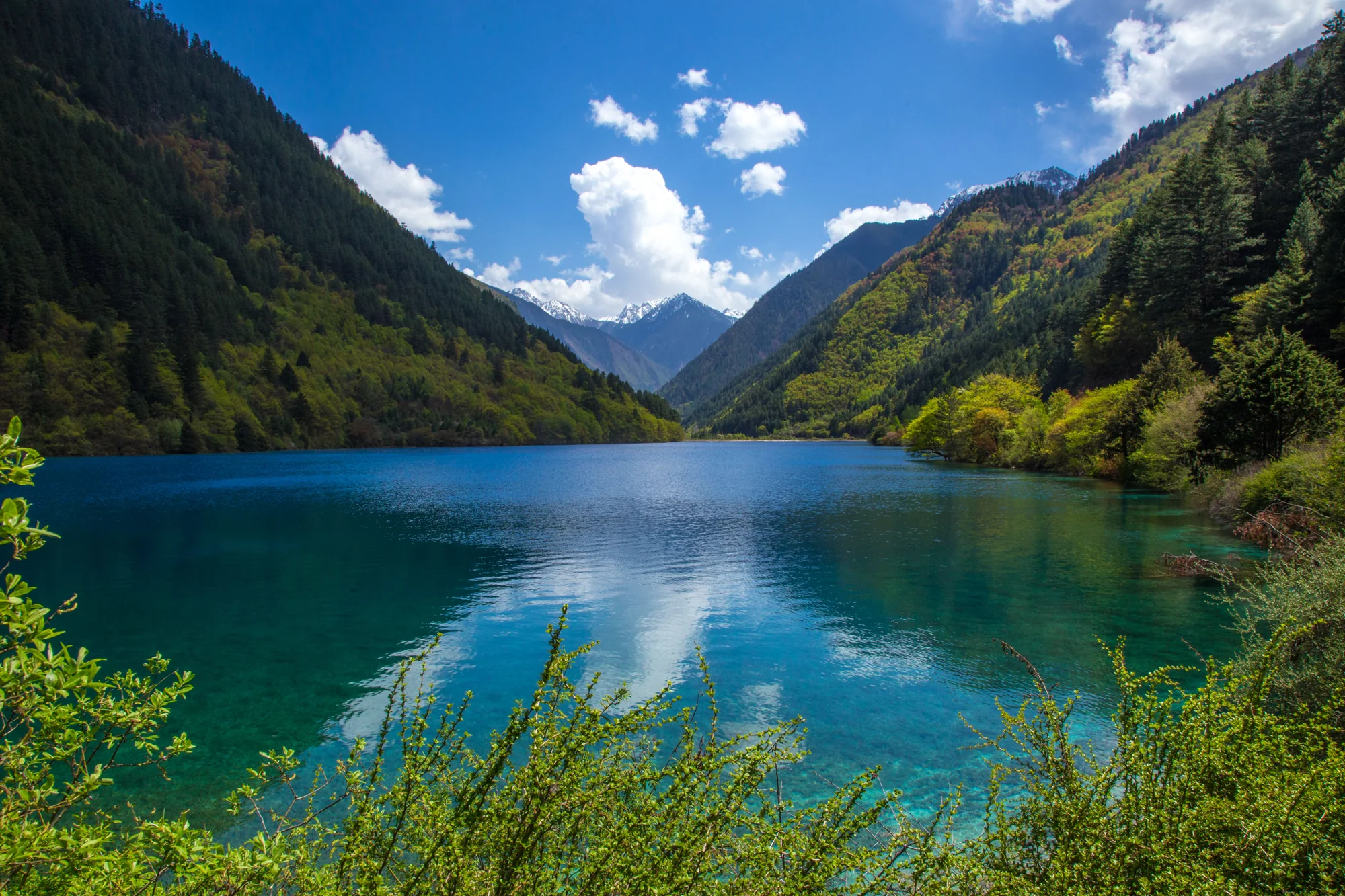
Jiuzhaigou lies in the Min Mountains of northern Sichuan. The local term haizi refers to mountain lakes: lakes, shallow travertine terraces, waterfalls and forests connect along the valleys, with the scenery changing as water flows over different landforms. UNESCO has inscribed Jiuzhaigou on the World Heritage List. The protected area also includes alpine forests and wildlife habitats; the lakes most visitors see form only part of it.
The main visitor area comprises Shuzheng, Rize and Zechawa valleys, which form a Y. Shuzheng Valley connects the entrance with the two upper branches. Rize Valley contains Five Flower Lake and Pearl Shoal, while Zechawa Valley leads to Long Lake and Five Colour Pool. Understanding this layout is more useful than simply remembering a list of lake names. Getting between areas involves a combination of sightseeing buses and walking; this is too large an area to treat as a small park you can freely cover on foot.
Five Flower Lake and Long Lake: lakebeds and mountain views
Five Flower Lake rewards a closer look. The scenic area's description links its varied colours to travertine, algae, aquatic plants and fallen trees on the lakebed, together with reflected and refracted light. From the open boardwalks, you can distinguish submerged tree trunks from reflections on the surface. Light, wind and your viewing angle can change the colours of the same patch of water. The turquoise tones in photographs are not a promise of the same view every day or from every spot.
Long Lake in Zechawa Valley is better suited to broad views across the water and towards the mountains on either side. The official website gives its elevation as about 3,100 metres and identifies it as the scenic area's largest lake by surface area. Five Colour Pool offers a different experience, with a smaller expanse of water and distinct colours. For details on the lakebed and patches of colour, focus on Five Flower Lake and Five Colour Pool; for wide valley views, allow more time at Long Lake's open viewing areas. You are already at a relatively high elevation here, so slow your walking pace according to how you feel.

Waterfalls and Shuzheng Valley: how water connects the lakes
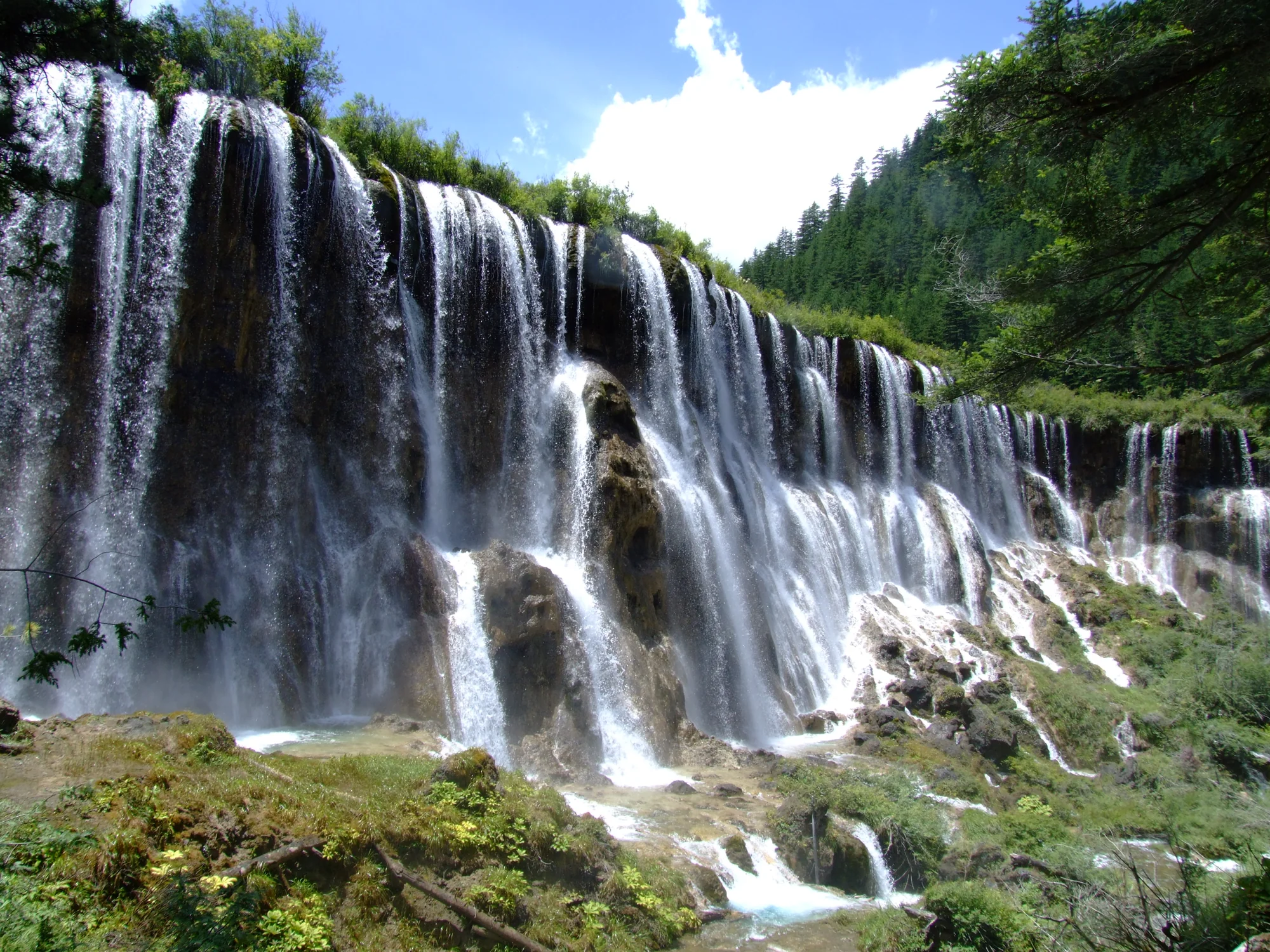
Jiuzhaigou's waterscapes extend beyond still lakes. Around Pearl Shoal, water spreads over the shallows before dropping into a waterfall. Nuorilang Waterfall provides a contrasting view with its broad curtain of water. Look for the change from a gentle flow to a drop, and the steps formed by the travertine terrain. Waterfall volume varies with season and weather. Older photographs can help you recognise the type of landscape, but do not show how strongly the water will be flowing on the day you visit.
Rhinoceros Lake, Tiger Lake, the Shuzheng Lakes and waterfalls connect along Shuzheng Valley. The Shuzheng Lakes form a stepped series, interspersed with trees and small waterfalls; Rhinoceros Lake offers a broader surface with reflections of wooded mountains. If time or energy is limited, choose an open stretch of lakeside boardwalk to explore slowly, then use the sightseeing buses to connect more distant areas. There is no need to rush through every walking section just to tick off the names.
Reservations, walking and seasonal restrictions
Allowing a full day for the scenic area itself is recommended. This is a planning suggestion: it excludes travel to and from the area and does not guarantee that you can cover every open section in a day. The official website's one-day visit description combines sightseeing buses with walking. When choosing walking sections, allow for bus queues, photography, rest stops and the return journey, and follow the bus arrangements and boardwalk access instructions on site.
The scenic area's ticketing page, checked on 14 November 2026, requires reservations under visitors' real names, with booking details matching the identification used for entry. It directs visitors to ticket booking through the official Jiuzhaigou WeChat account. If travelling on a foreign passport, confirm which document types your booking channel accepts, how to enter the details and how your ticket will be checked. Do not assume the procedure for a Chinese resident identity card applies. Admission and sightseeing bus tickets are separate charges; check prices, entry times and eligibility for concessions on the official booking page when you reserve.
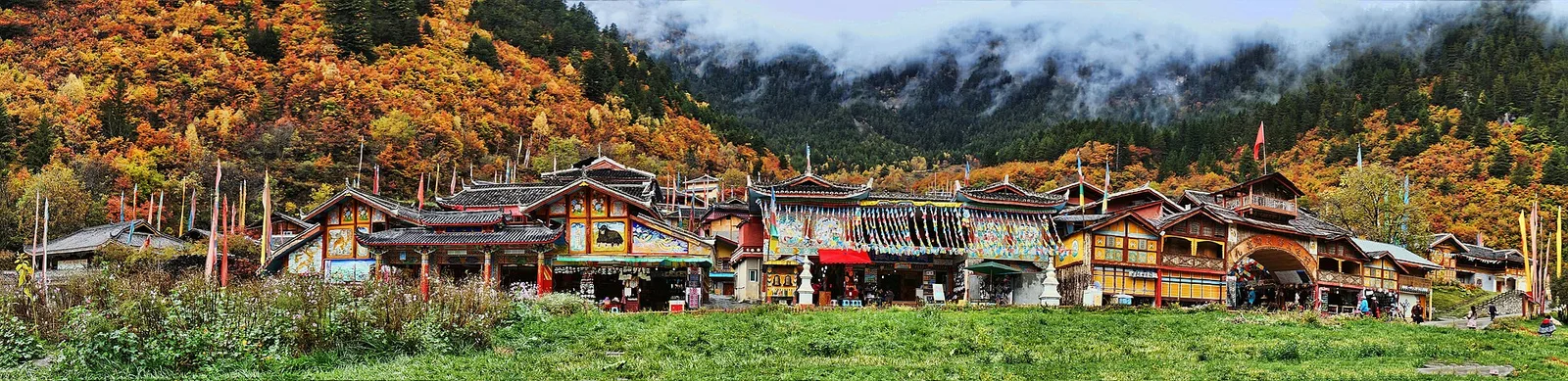
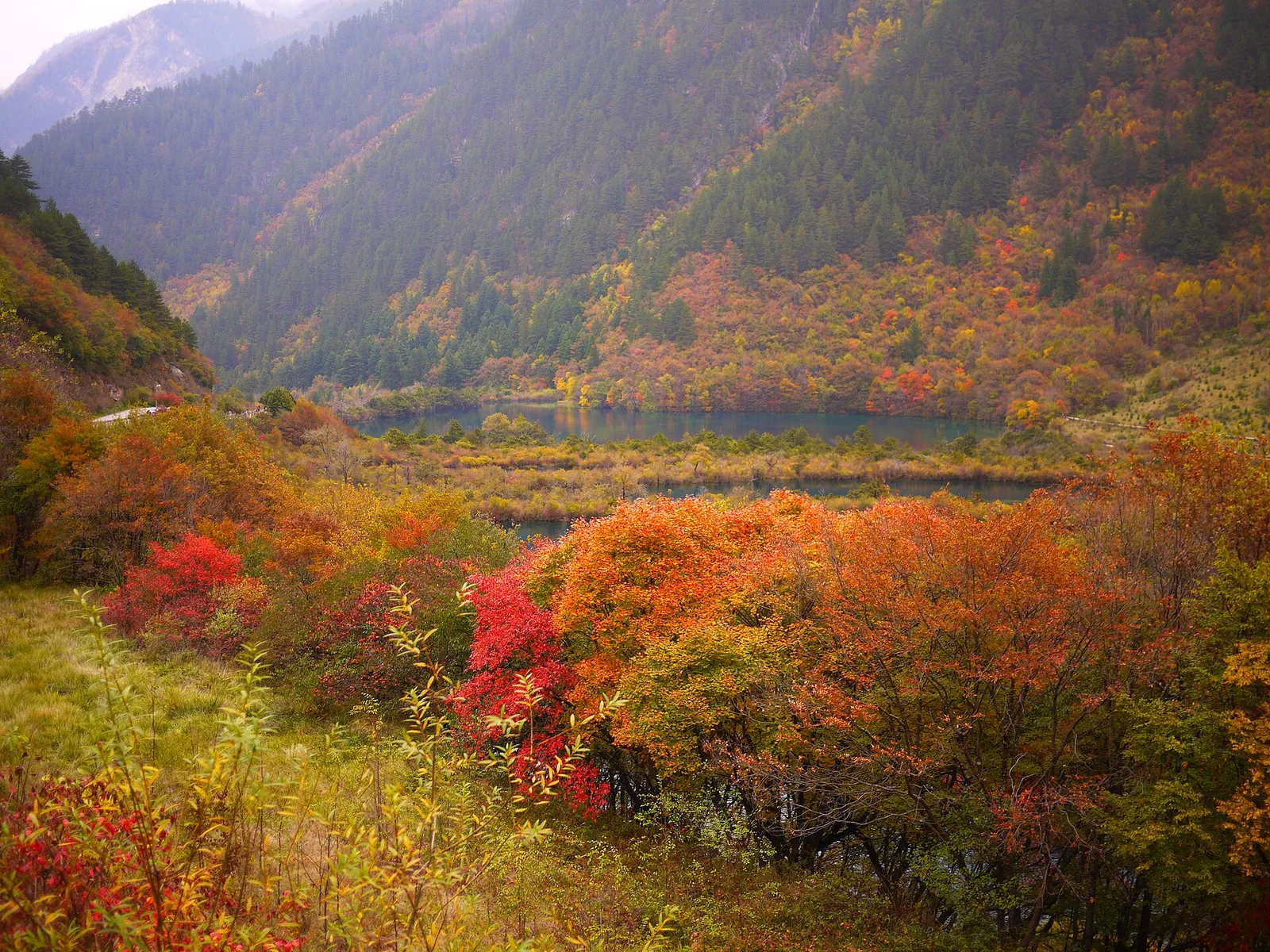
The English-language official website says that winter weather may cause some attractions to close during the low season, and that overnight stays inside the scenic area are prohibited. Choose accommodation outside the area and check the day's opening notices before setting out. Lake reflections and autumn foliage offer photographic subjects, but wind, weather and the season affect the view. Leaving room to change the order of your visit and reduce the amount of walking is more practical than trying to reproduce fixed colours from promotional photographs.
Useful official references
Check the relevant official service before making arrangements. These links are references, not a guarantee of current services.
- Jiuzhaigou official website: landmark attractions (checked 14 November 2026) ↗
- Jiuzhaigou official website: ways to visit (checked 14 November 2026) ↗
- Jiuzhaigou official website: ticketing information (checked 14 November 2026) ↗
- Jiuzhaigou English-language official website: visitor information (checked 14 November 2026) ↗
- UNESCO: Jiuzhaigou Valley Scenic and Historic Interest Area ↗