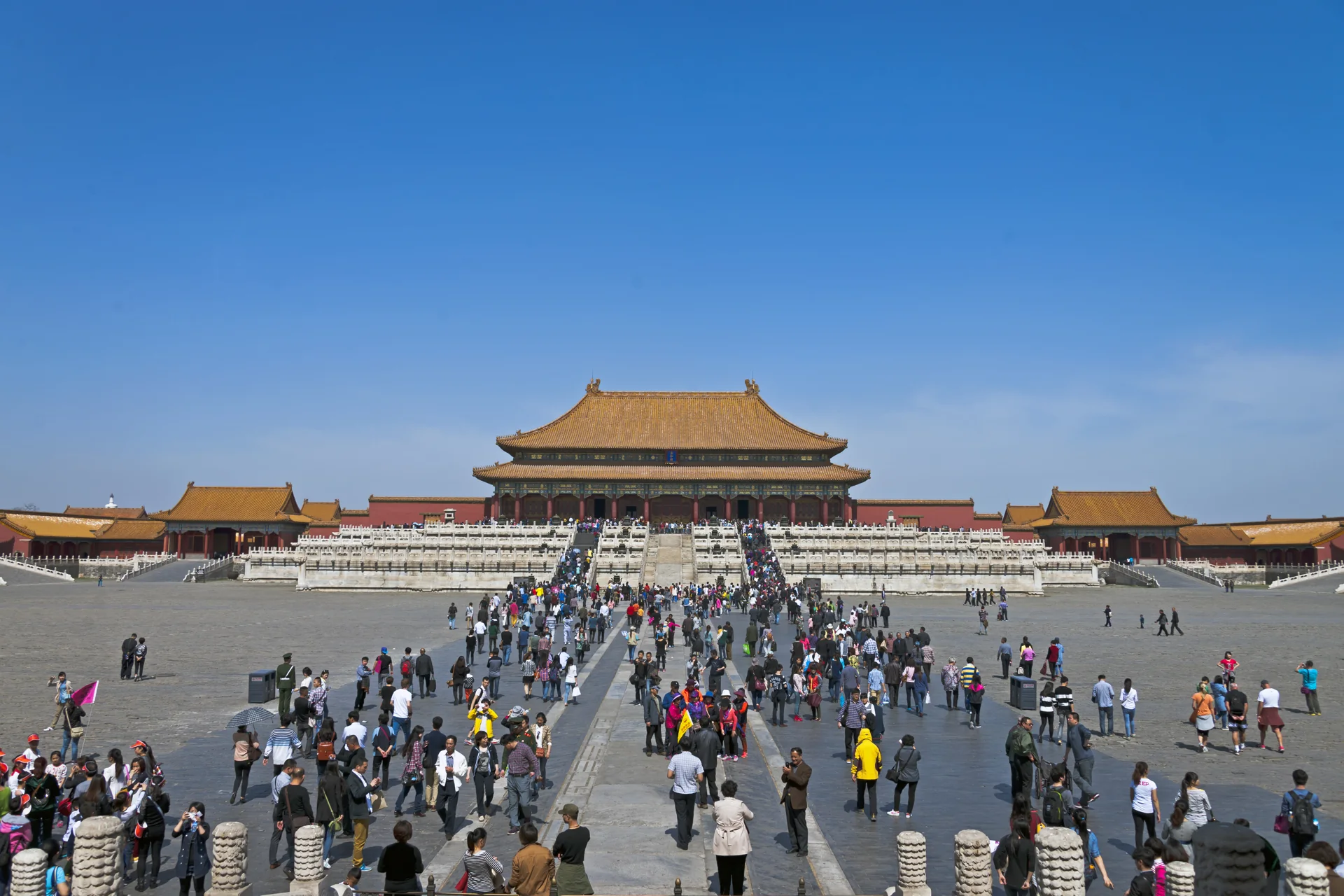
Look at the objects and choose stalls that interest you
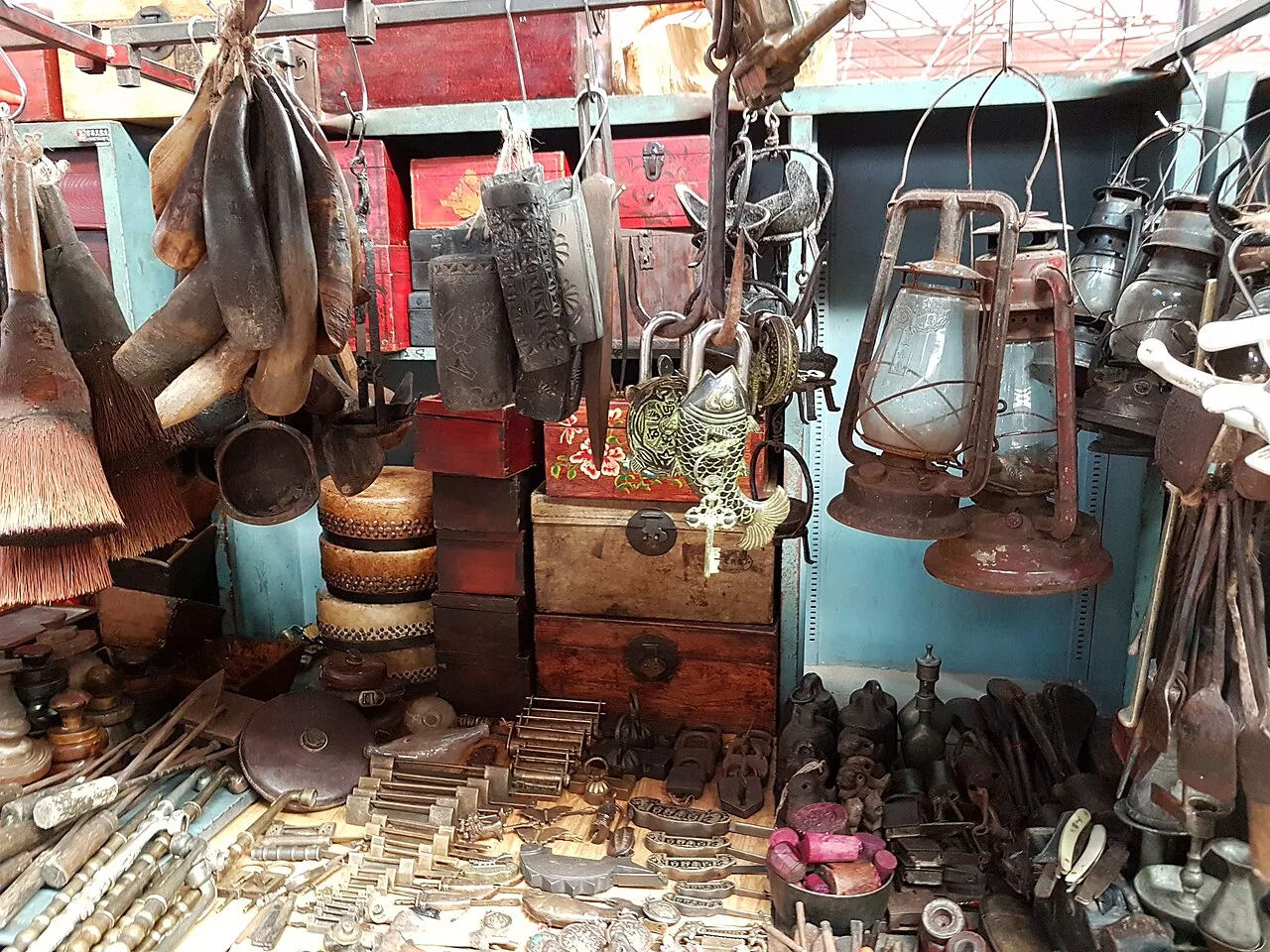
Panjiayuan Secondhand Market is at 18 Huawei Li, Chaoyang District, in southeast urban Beijing. Its goods range from old books and periodicals to writing materials, ceramics, coins, strings of beads and crafts. Compared with Wangfujing's department stores and malls, much of its interest lies in observing one stall at a time. Neighboring stalls may sell entirely different things, while similar small objects can vary in size, material and workmanship.
The market includes shops, covered trading areas and ground stalls. On a first visit, start with a category you understand, such as books, brushes or small crafts, then compare several displays. Book bindings, brush-tip shapes and the surfaces of objects are easier starting points than imagining value from a seller's claimed date. The cover and body photographs were all taken in 2016. They show the types of goods and displays at that time, not current stock.
Writing materials: consider both material and use
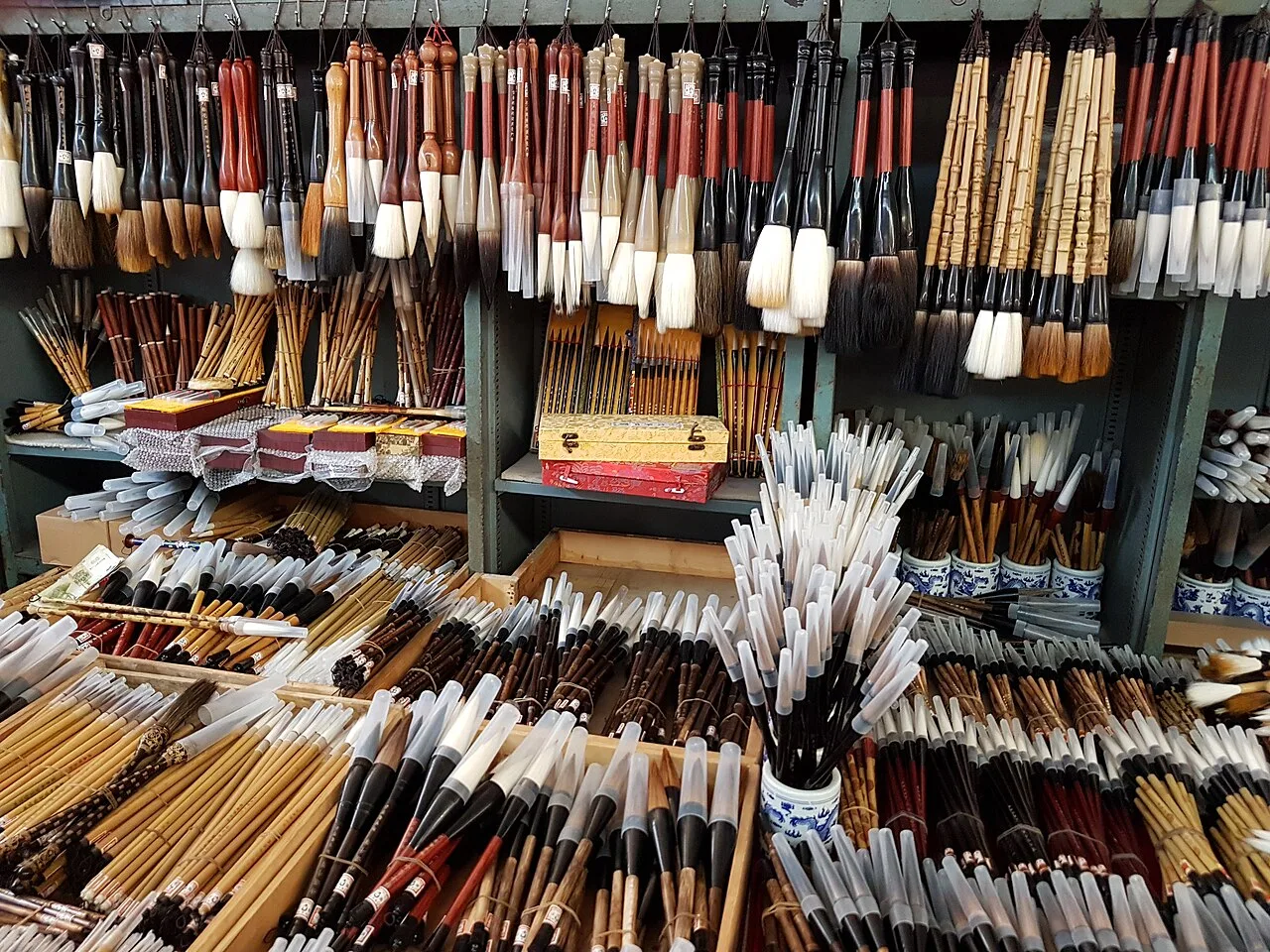
Brush stalls hang up or lay out brushes of different sizes. Differences in tip length, thickness and handle shape are readily visible. If buying for calligraphy, Chinese painting or a gift, explain the intended use before asking about bristle material, size and care. A large, attractive brush may not suit a beginner learning to write, while a small brush that is easy to carry still needs a suitable cap and packaging.
Seals, paper products and other writing objects are also worth choosing for their intended use. Establish whether an item is ready to use or mainly a decorative souvenir, then confirm whether the price is for one piece or a set. You need not arrive with specialist collecting knowledge to notice differences in tools, materials and display methods.
Old books, paper and an antique appearance
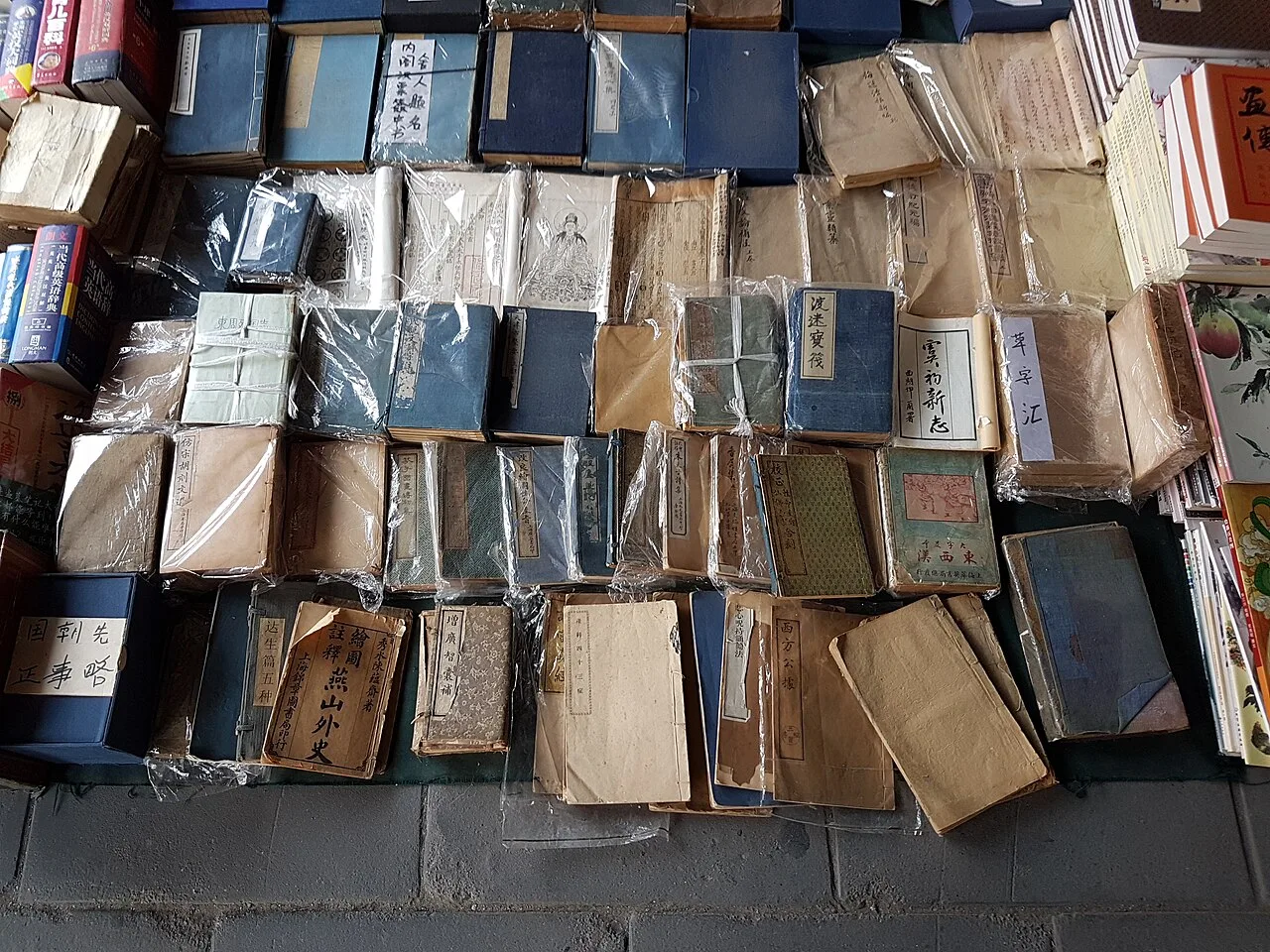
Old books, periodicals and written paper objects offer something different from beads and porcelain. Even without reading Chinese, you can observe covers, bindings, illustrations and paper, but it is best to confirm content and intended use before buying. Old-style lettering on a cover does not establish a publication date. Ask permission before handling paper objects and avoid forcing fragile pages flat.
Market descriptions list crafts, antique-style furniture and secondhand goods together, so the word antique cannot describe everything for sale. When choosing ceramics or ornaments, start with what you can assess: dimensions, surface condition and packaging. Then ask about materials and how they were made. If you cannot evaluate claims about age, a famous maker or material, there is no need to increase your budget in pursuit of a hidden bargain. Decorative or souvenir use is also a clear reason for a purchase.
Confirm visiting arrangements and purchase details
As checked on November 10, 2026, Visit Beijing and the Beijing Municipal Cultural Heritage Bureau both list the address as 18 Huawei Li. Trading arrangements differ between weekdays, weekends and night markets. The municipal government reported the addition of a themed Saturday night market in 2025, but that described arrangements at the time. If coming specifically for a night market or particular stall, check the market's latest announcements before leaving rather than treating an old report's schedule as a guarantee for the day.
Before buying, use your phone to note the seller's answers about the goods, quantity and total price, then confirm packaging and after-sales arrangements. Consider luggage space for fragile or heavy objects. If undecided, put an item back and compare alternatives rather than making a hurried decision while holding it. Respect trading space whether browsing or buying: ask before photographing a stall or taking close-up pictures of goods, and avoid blocking a passage to inspect an item.
Useful official references
Check the relevant official service before making arrangements. These links are references, not a guarantee of current services.