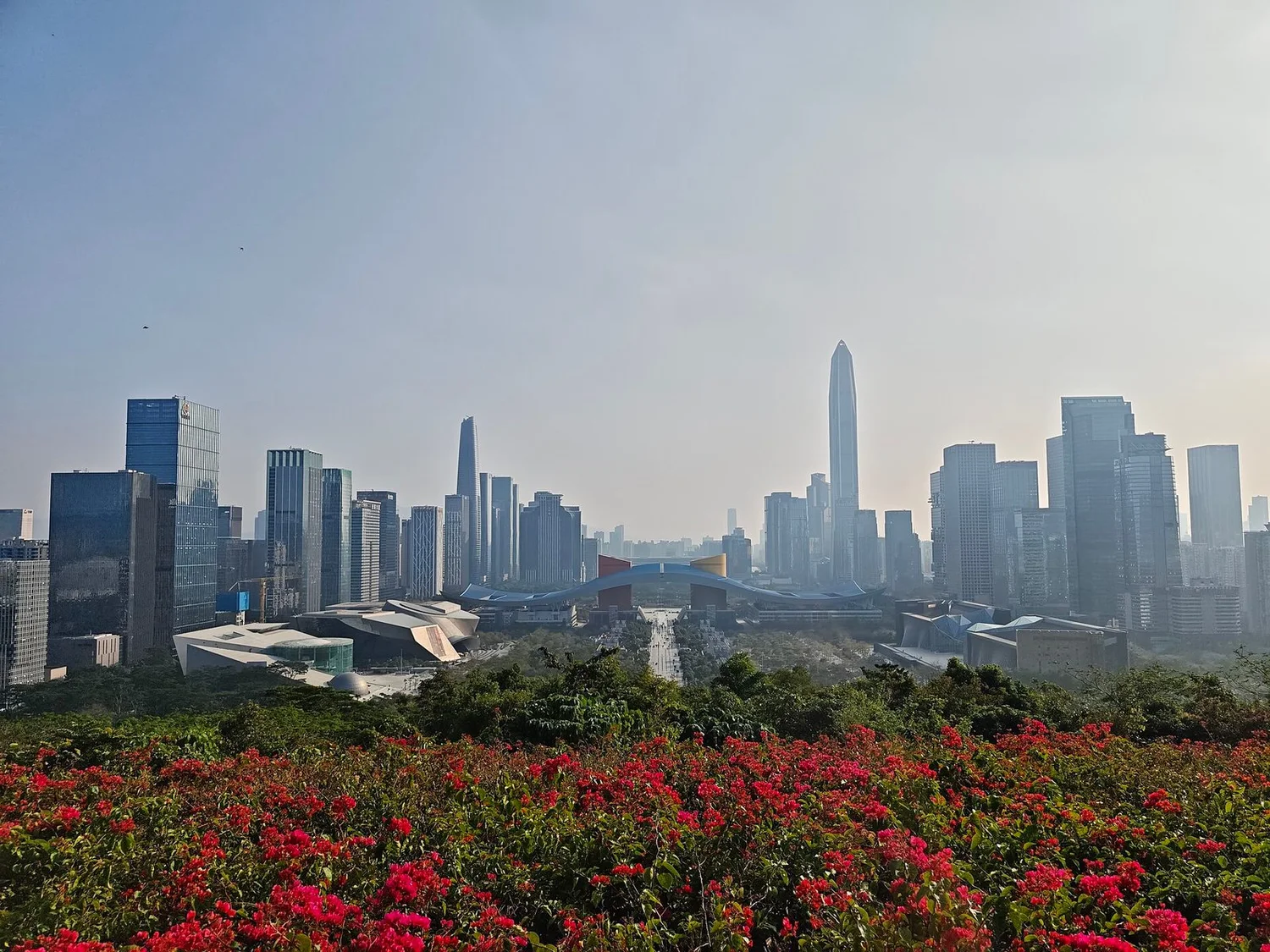
Identify the Shenzhen hospital
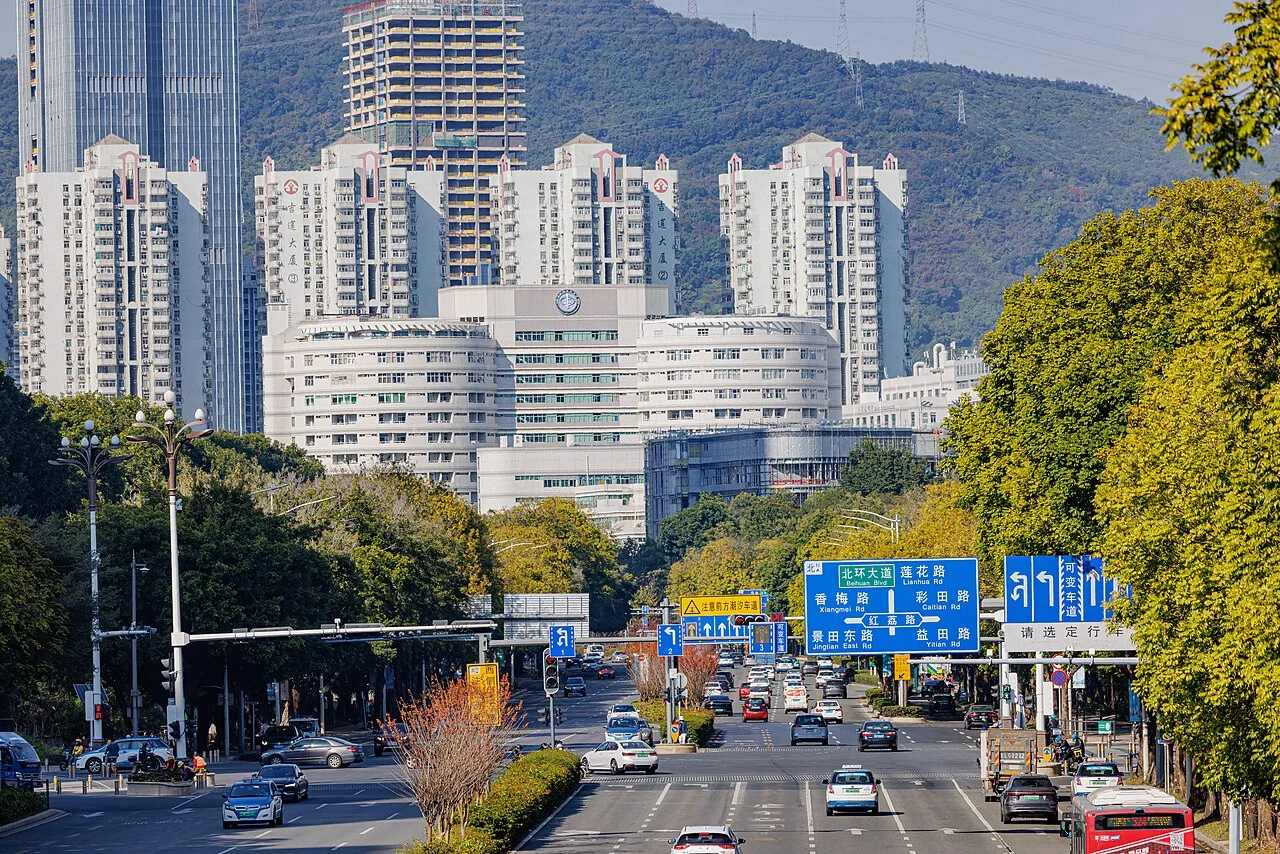
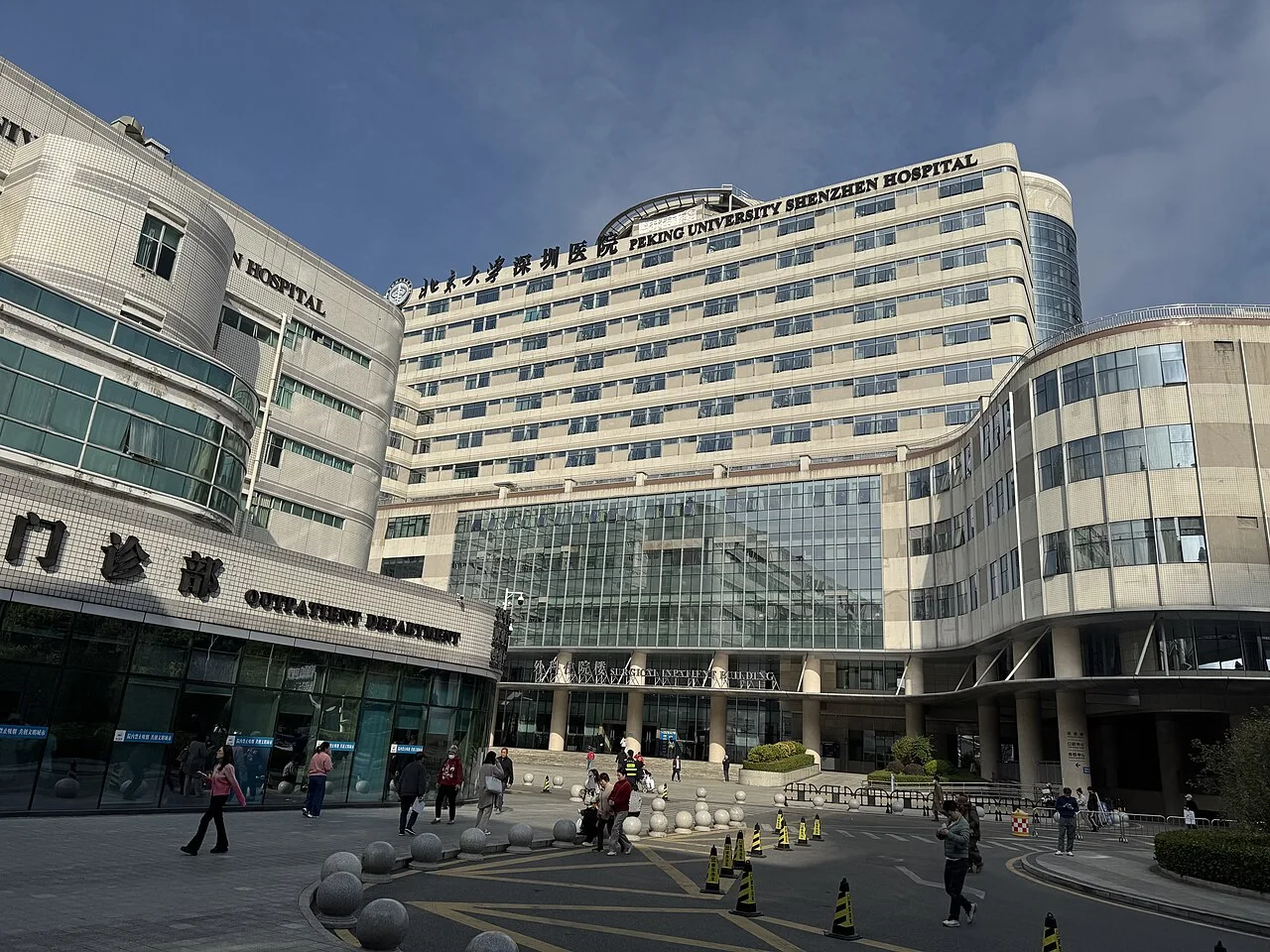
Peking University Shenzhen Hospital is at No. 1120 Lianhua Road, Futian District, Shenzhen. It opened in 1999 and later joined Peking University's management system. It is a Grade III Class A public general hospital in Shenzhen. It is not the same location as Peking University's affiliated hospitals in Beijing; retain Shenzhen in the name and the Lianhua Road address when booking, taking a car or completing insurance forms. Its location in urban Futian gives travellers needing general-hospital care a specific institution to enquire about.
Services are organised by outpatient department and attendance procedures. Routine outpatient clinics and emergency care serve different purposes: people with stable conditions seeking advice or follow-up should check the department and book first, while emergency patients follow emergency triage. University in the name describes the institution's background; it does not establish doctors' languages, a dedicated foreign-patient channel or commercial insurance direct billing. Confirming these matters before a visit is more useful than comparing hospital size alone.
Book through the official process
The hospital website's patient guide provides clinic schedules, outpatient and emergency guides, attendance information and contact details. Its outpatient registration rules explicitly require appointments and state that asking a doctor to add an extra patient is not a substitute. These rules were published in 2021 and remained readable on the website on 11 November 2026. Current appointment pages and hospital notices should govern slot releases, late arrivals and check-in; old rules are not a basis for timing arrival to the minute.
The published switchboard number is +86 755 83923333 and the email is [email protected]. The contact address and telephone number were checked on 11 November 2026. First-time foreign visitors can ask how to register with a passport, whether the online platform accepts their documents, what to do if they cannot complete registration online and what arrangements are possible for English communication. The switchboard handles enquiries and transfers; a call does not itself secure an appointment. Keep the booking confirmation and specific department details afterwards.
Prepare records and distinguish emergency care
For an outpatient visit, bring your passport, confirmed appointment details, previous diagnoses and test records, medication list and allergy information. A short Chinese-English note stating when symptoms began, how long they last, medicines already taken and any allergies can help during registration and consultation. If someone will accompany you to help communicate, ask about the area's accompaniment rules first. The hospital's rules also remind patients to enter consultation rooms in calling order to protect others' privacy.
The website lists emergency attendance procedures separately from routine outpatient booking. In an emergency, do not wait for an outpatient appointment or an email reply. Call 120 when immediate help is needed and let emergency staff make arrangements based on the situation. If you can still attend independently but do not know which department to choose, ask the hospital's guidance staff. Do not dismiss persistent or worsening symptoms as ordinary travel fatigue.
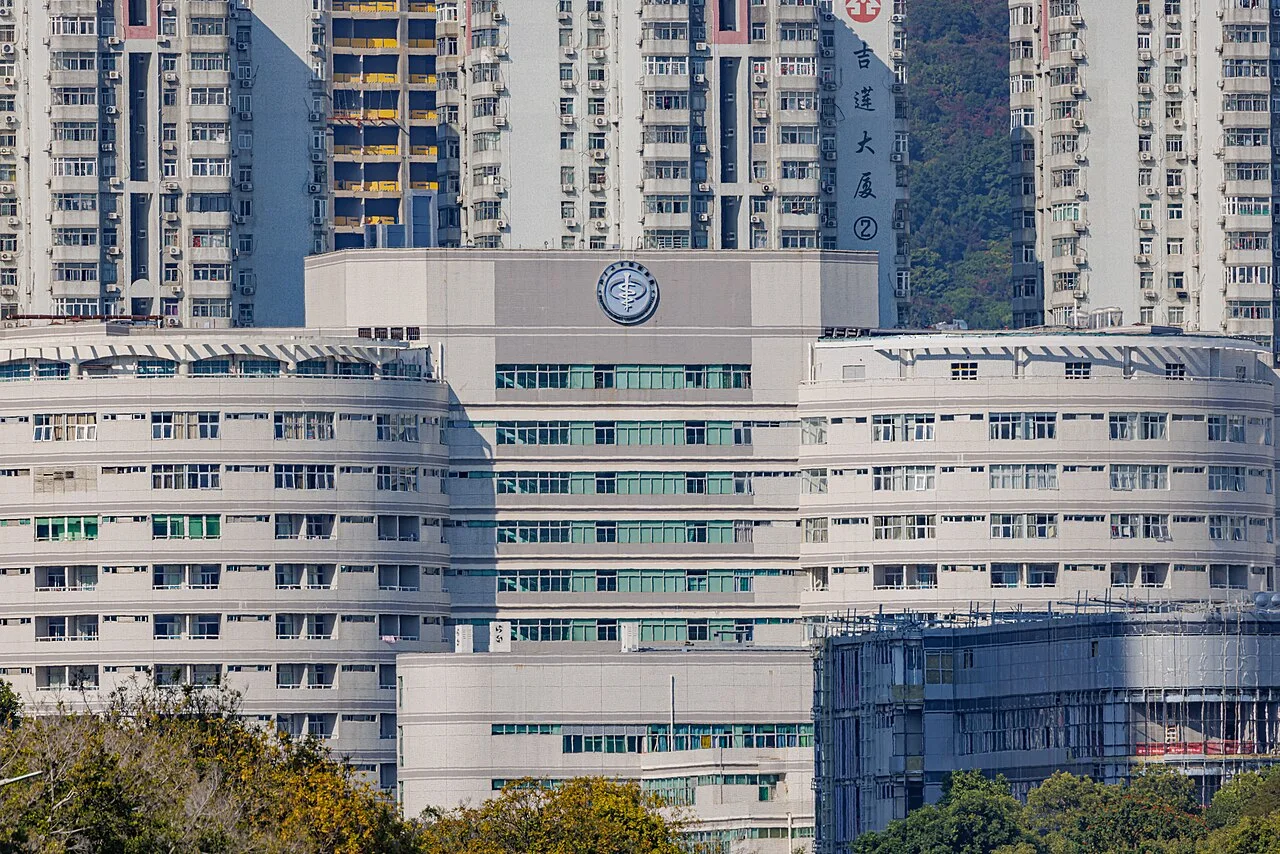
Foreign visitors should confirm insurance settlement, English service coverage and specific fees with the hospital and insurer before attending. Without local medical insurance eligibility, do not directly apply the website's reimbursement procedures for insured Shenzhen residents. Keep itemised bills, invoices and medical records after payment and check which documents your insurer requires. The photographs show different views of the hospital buildings; they do not replace on-site entrance, floor or temporary construction directions.
Useful official references
Check the relevant official service before making arrangements. These links are references, not a guarantee of current services.