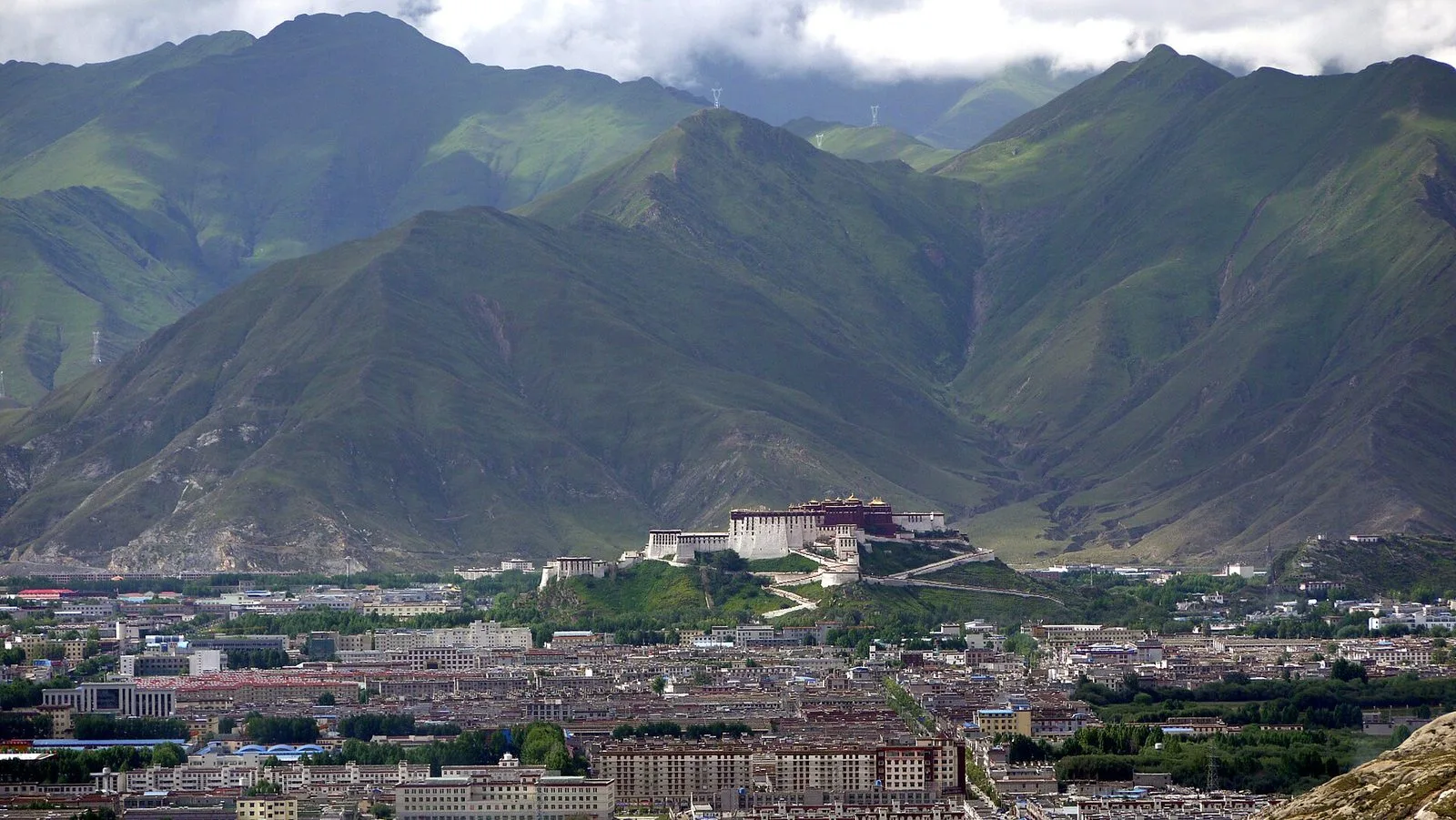
An old market north of the Jokhang
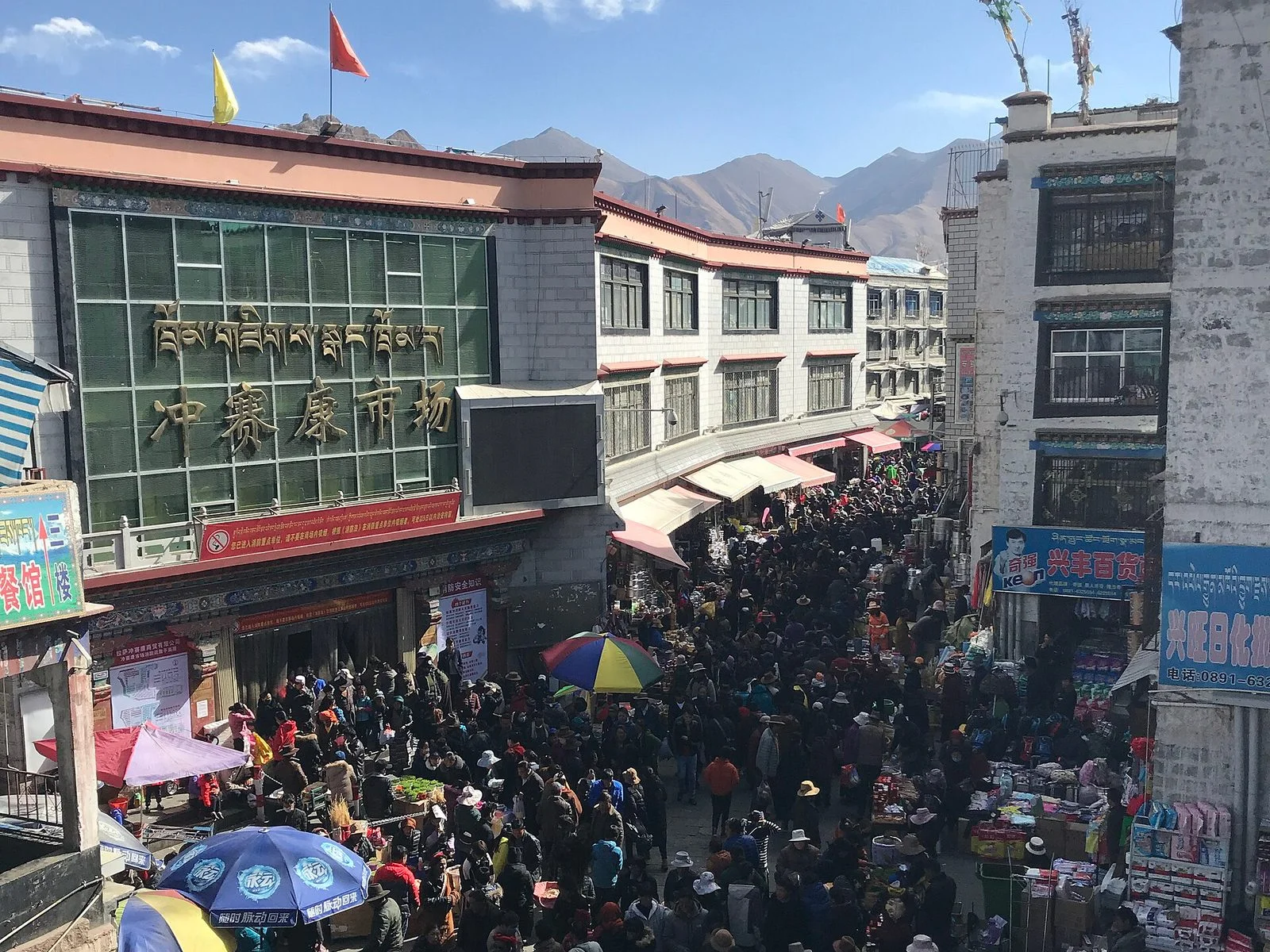
Chongsakhan Market is on East Beijing Road in Chengguan District, Lhasa, inside the Barkhor old town north of the Jokhang Temple, a few minutes' walk from the Barkhor kora route. In Tibetan, chongsakhan means market, though some say it originally referred to a 'street-watching tower'; the old-town area around the market also preserves the site of the Qing-dynasty office of the imperial resident (Amban) in Tibet.
It began as a spontaneous open-air market, later gained sheds and buildings, and became a general market with more than a thousand traders. A 2015 report said there were more than 3,600 operators; when it reopened in 2022, market management said there were more than 1,000 traders and over a thousand kinds of goods. The figures use different bases, but both show that this is not a small souvenir shop for tourists but a distribution center where locals buy New Year goods and daily supplies.
The market opens onto East Beijing Road, and the building is divided into sections for food, clothing, shoes and hats, and hardware and household goods; the aisles are narrow and full of crates and carts, so give way to people moving goods.
Butter, tsampa and New Year goods
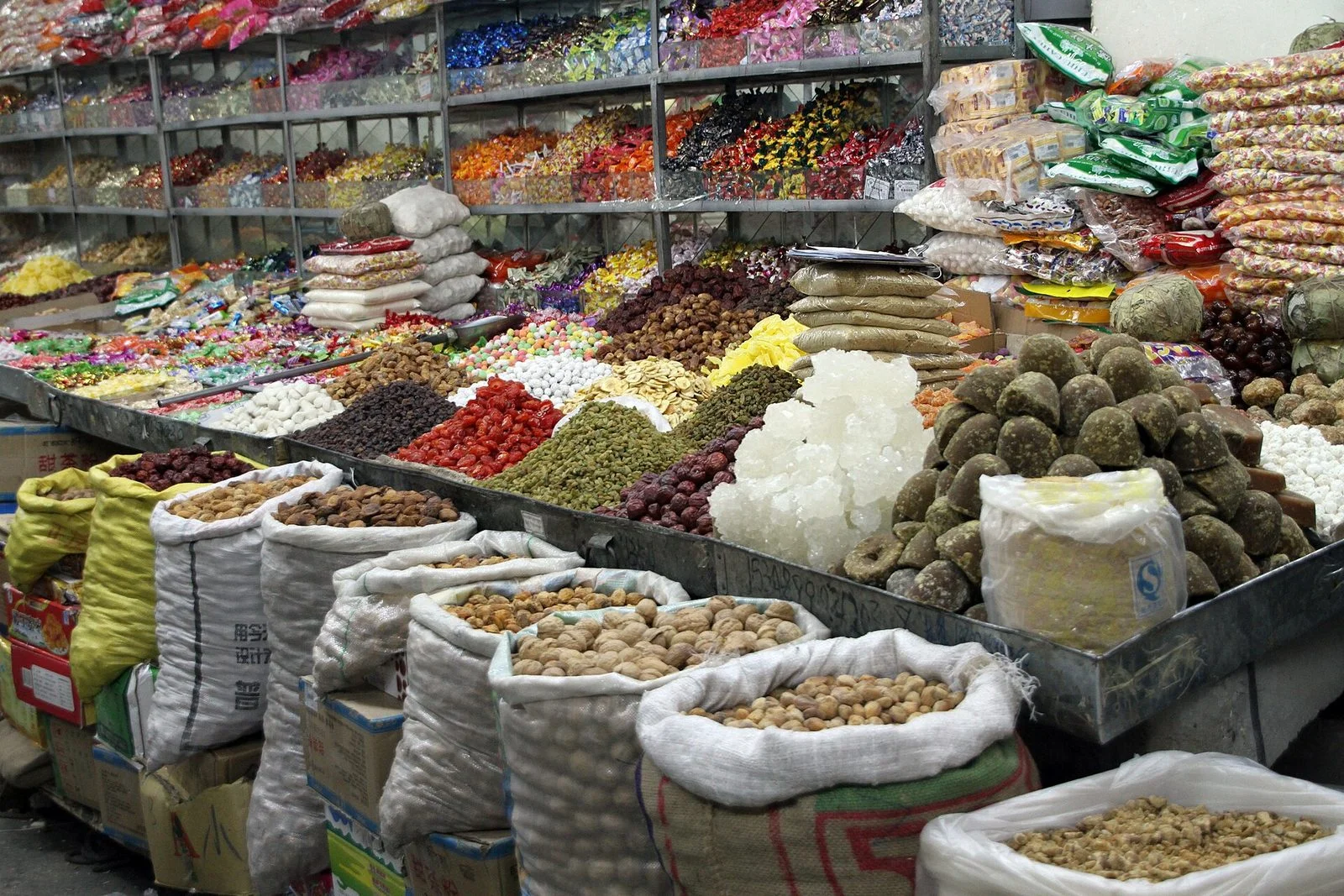
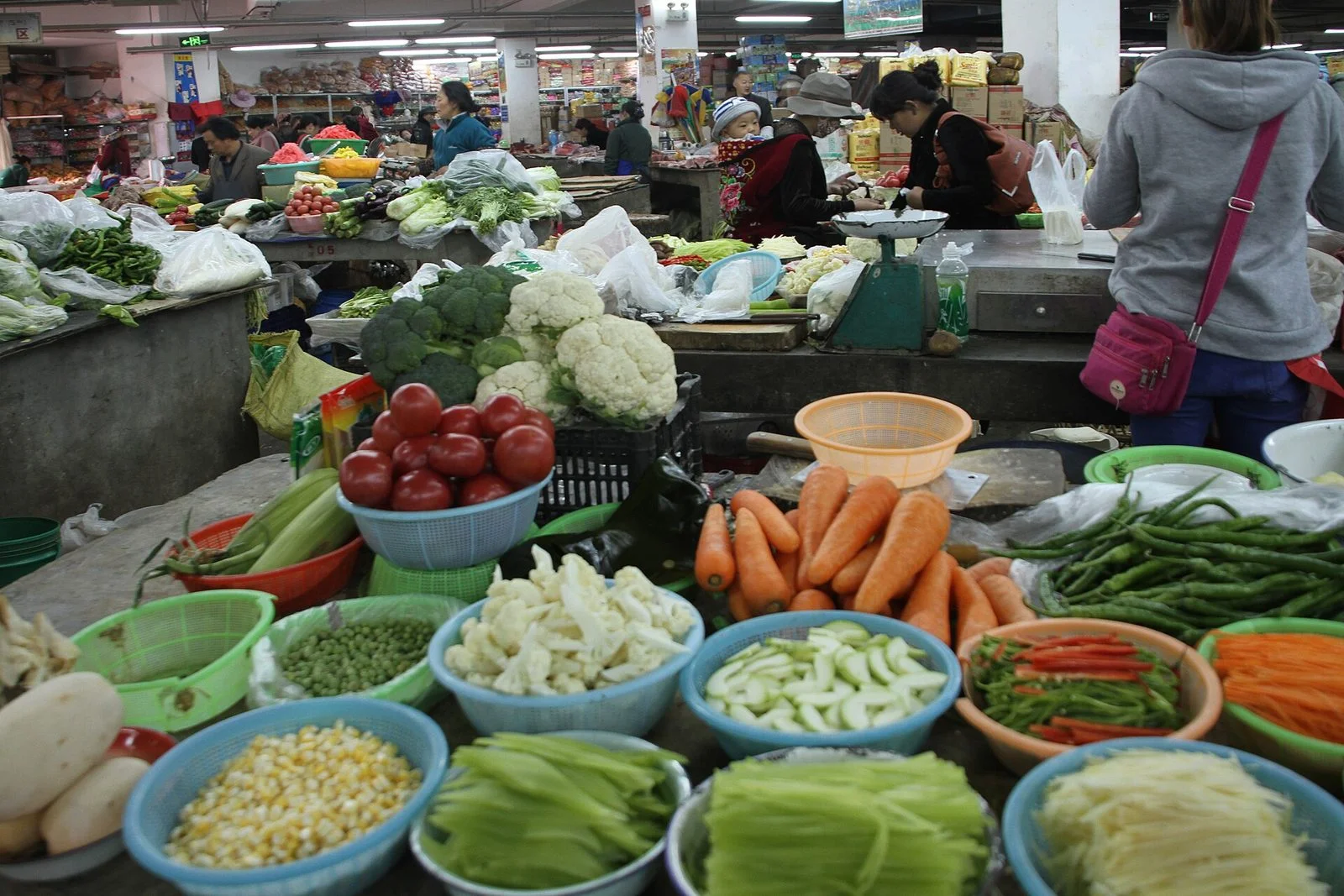
The food section is the most rewarding part of the market: butter, tsampa, Tibetan tea, dried yak beef, cheese curds, kase (fried dough twists), sweets, dried fruit and fresh vegetables are all here. Grain and dried goods stand in bags, while sweets and dried fruit are piled on shelves; before Tibetan New Year, shoppers fill the aisles, and chemar boxes, prayer flags and children's new clothes are on the shopping lists too.
The goods here serve local life first, and packaging and display are not designed for show. Some butter comes from pastoral areas around Damxung and varies in origin and grade; tsampa is made from roasted highland barley ground into flour of different fineness and is usually pressed into balls with butter tea; dried meat varies in saltiness and degree of drying. If you are unfamiliar, ask about origin and how to eat it, buy a small amount, and do not stock up all at once.
The market also sells clothing, shoes and hats, toys, hardware, home appliances and small antiques. When it reopened in 2022, vegetables, side dishes, butter, meat, clothing, shoes and bags, and hardware and household goods were all being sold; it is more accurate to think of it as a local living market than as a specialty shop. There are also stalls selling Tibetan clothing and pulu products, worth a look after the food section.
Visiting conditions and practical notes
The market is indoors, with narrow, dimly lit aisles and strong smells of butter and dried meat; if you are sensitive to smells or dislike crowds, avoid the days before the festival and weekends. The floor in the food section may be wet, so wear shoes with good grip.
Opening hours change. When it reopened in 2022 it was open daily from 11:00 to 17:00, but that was the arrangement at the time; check on site before you go.
This is not a scenic site, so ask stallholders before taking photos, do not block weighing and transactions, and do not move goods for the sake of a photo. For loose food and meat products, ask about storage first, and confirm with transport and quarantine rules whether you can take them on a plane or train.
From the Jokhang Temple square, walk north through the lanes of Barkhor to East Beijing Road, or enter the market directly from East Beijing Road; the junction is busy with people and vehicles, so watch your footing when crossing.
Useful official references
Check the relevant official service before making arrangements. These links are references, not a guarantee of current services.
- China News Service / New Year goods market busy as Tibetans welcome Tibetan New Year ↗
- China Tibet Online / Lhasa: Chongsakhan Market reopens ↗
- People's Daily app / Chongsakhan, Lhasa: warm everyday life before Tibetan New Year ↗
- China Tibet News Network / Chongsakhan: a historic courtyard, a modern market ↗