Check sea conditions and warnings before swimming
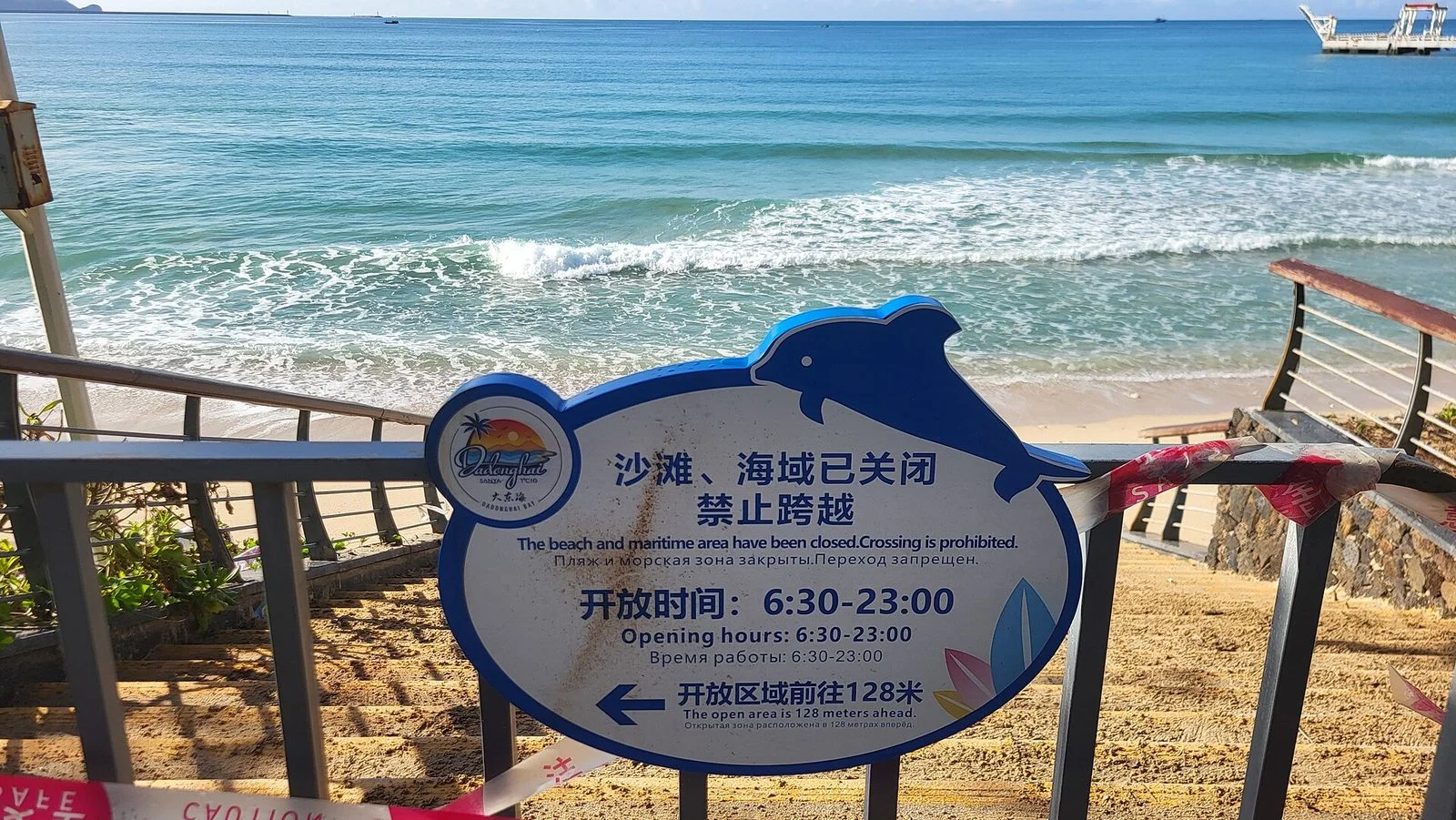
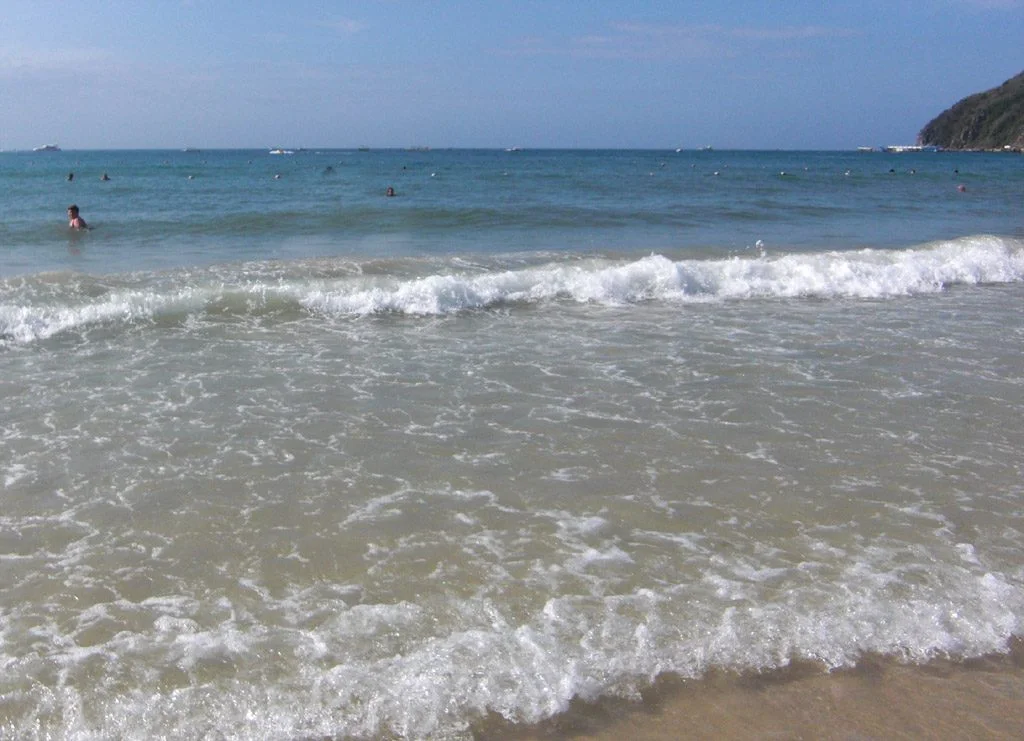
The Hainan Provincial Department of Natural Resources and Planning, together with the Marine Disaster Reduction Center of the Ministry of Natural Resources and other institutions, surveyed 66 beach bathing areas across the island and identified 20 beaches at high risk of rip currents. Yalong Bay and Dadonghai in Sanya are on the list. Rip currents are stronger on days with large waves and at low tide. A rip current looks calm at the surface, can flow faster than 2 meters per second, and can quickly carry people away from shore. Choose a formally managed coastal tourism area, check tide and wave forecasts, and avoid low tide and periods of large waves. At the beach, start by reading the warning signs and asking the lifeguards; stay within their line of sight, and keep away from water where foam or sediment gathers and drifts offshore, from shallow sand troughs, and from rocks and groynes.
If you are caught in a rip current, do not try to swim against it and do not struggle in a panic. Float first and watch as you drift, swim to either side to get out of the current, then angle back toward shore and call for help. If you see someone else being carried away, find a lifeguard or call 110 immediately, throw them something that floats, and do not rush into the water. On the evening of August 19, 2026, two women at Yalong Bay were carried away from shore by waves. Staff from the scenic area went into the water and rescued them; police officers from the local station arrived in about two minutes, and an ambulance (120) arrived afterward. Nearshore waves and sudden currents can cause trouble within minutes.
Typhoon season: keep summer and autumn travel plans flexible
Typhoon effects in Sanya mostly occur in summer and autumn; follow the warnings issued by the Sanya Meteorological Observatory for that year. As a typhoon approaches, Sanya follows its contingency plans and implements the “five suspensions and one closure” protocol: suspension of classes, work, business, public transport, and shipping, plus closure of scenic areas. Beaches may also close and visitors may be asked to leave the shore. During Typhoon Maysak in July 2026, the Haitang District Tourism, Culture, Radio, Television and Sports Bureau required hotels to strengthen coastal management and ask lingering visitors to leave; mountain- and water-related scenic areas in Jiyang District suspended operations; and all fishing boats returned to port.
When you see a typhoon warning, do not just move your plans indoors: stay away from the coast, rocks, dikes and seawalls, and flooded roads, and do not take photos in the wind and waves. If you are staying at a beachfront hotel, confirm how to secure doors and windows, what to do if the power goes out, and the evacuation arrangements, and leave room to rebook flights, trains, and ferries. Use the typhoon and rainstorm warning signals issued by the Sanya Meteorological Observatory, along with announcements from “Sanya Fabu” and the emergency management authorities, as your warning sources; also watch for notices from scenic areas and hotels. Seas remain rough after a typhoon, so do not enter the water until beach cleanup is complete.
Sun exposure, jellyfish, and medical care
The sun is strong in Sanya, and long exposure on the beach around midday can easily lead to sunburn or heatstroke. Travel advice is to avoid direct sun from 11 a.m. to 3 p.m., wear a wide-brimmed hat and sunglasses, apply water-resistant sunscreen and reapply it, and drink water frequently in small amounts. If you feel dizzy or nauseous, stop sweating, or become confused, move to shade to cool down immediately and call 120.
Jellyfish are another specific risk. In January 2025, bluebottle Portuguese man o' war appeared on the beach at Sunny Bay in Sanya, and a visitor was stung after picking one up by hand. Experts warned that the tentacles of stranded specimens can still sting. Do not touch a jellyfish or its tentacles with your hands, rub the sting, or let tentacles brush against your skin. After a sting, leave the water and alert beach staff so they can follow local guidance for this species. Seek medical care promptly; call 120 for breathing difficulty, altered consciousness, or other severe symptoms. Remember 120, 110, and 119 before setting out.
Useful official references
Check the relevant official service before making arrangements. These links are references, not a guarantee of current services.
- Sanya Tianya District People's Government: Sanya districts deploy early for rapid typhoon response (2026-07-04, verified 2026-11-12) ↗
- Xinhua Hainan: Hainan city and county departments make full preparations for typhoon defense (2025-06-13, verified 2026-11-12) ↗
- CNR: Two women nearly drown while visiting the beach; a dramatic life-and-death rescue at Yalong Bay, Sanya (2026-08-21, verified 2026-11-12) ↗
- Hainan Fabu and the Hainan Provincial Department of Natural Resources and Planning: 20 beaches in Hainan are at high risk of rip currents (published 2023-09-29, verified 2026-11-12) ↗
- Guangming Online: Highly venomous jellyfish appear in Hainan and can cause cardiac arrest; experts warn (2025-01-27, verified 2026-11-12) ↗
- China Internet Rumor Refutation Platform, reposting Sanya Fabu: Bluebottle Portuguese man o' war found off Sanya; identification and response advice (2024-01-24) ↗
- China Military Online, reposting PLA General Hospital Hainan Hospital: Jellyfish sting first aid (2024-02-24) ↗