Travel essentials
Browse all guides in this category. Select a card for details and related places.
All guides (9)
Before you travel
A practical starting checklist for your first China trip.
Getting around China
Plan intercity journeys together with the local connections at each end.
Wuhan Visitor Notes
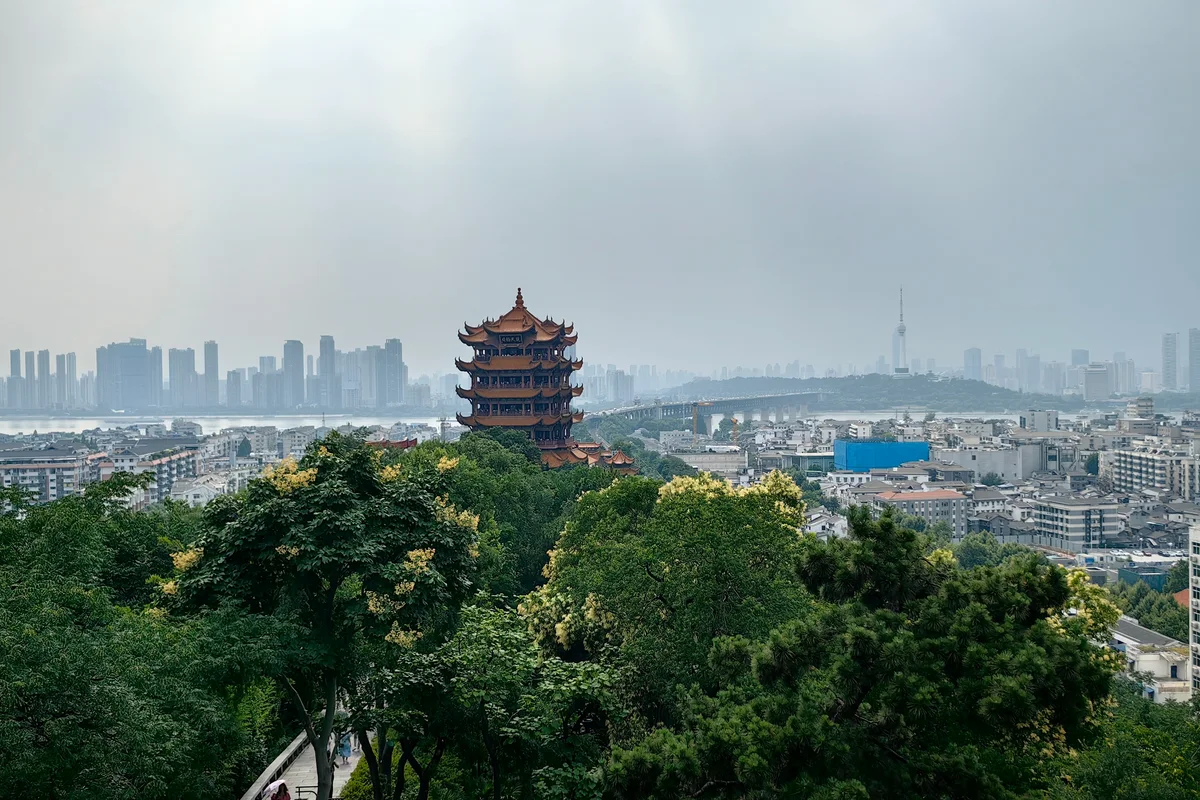
The Yangtze, the Han River, and Wuhan’s spread-out districts shape local travel. Knowing how cross-river distances, summer heat, and rain can affect outdoor visits helps you plan more carefully.
Xi'an: Practical Notes for Visitors
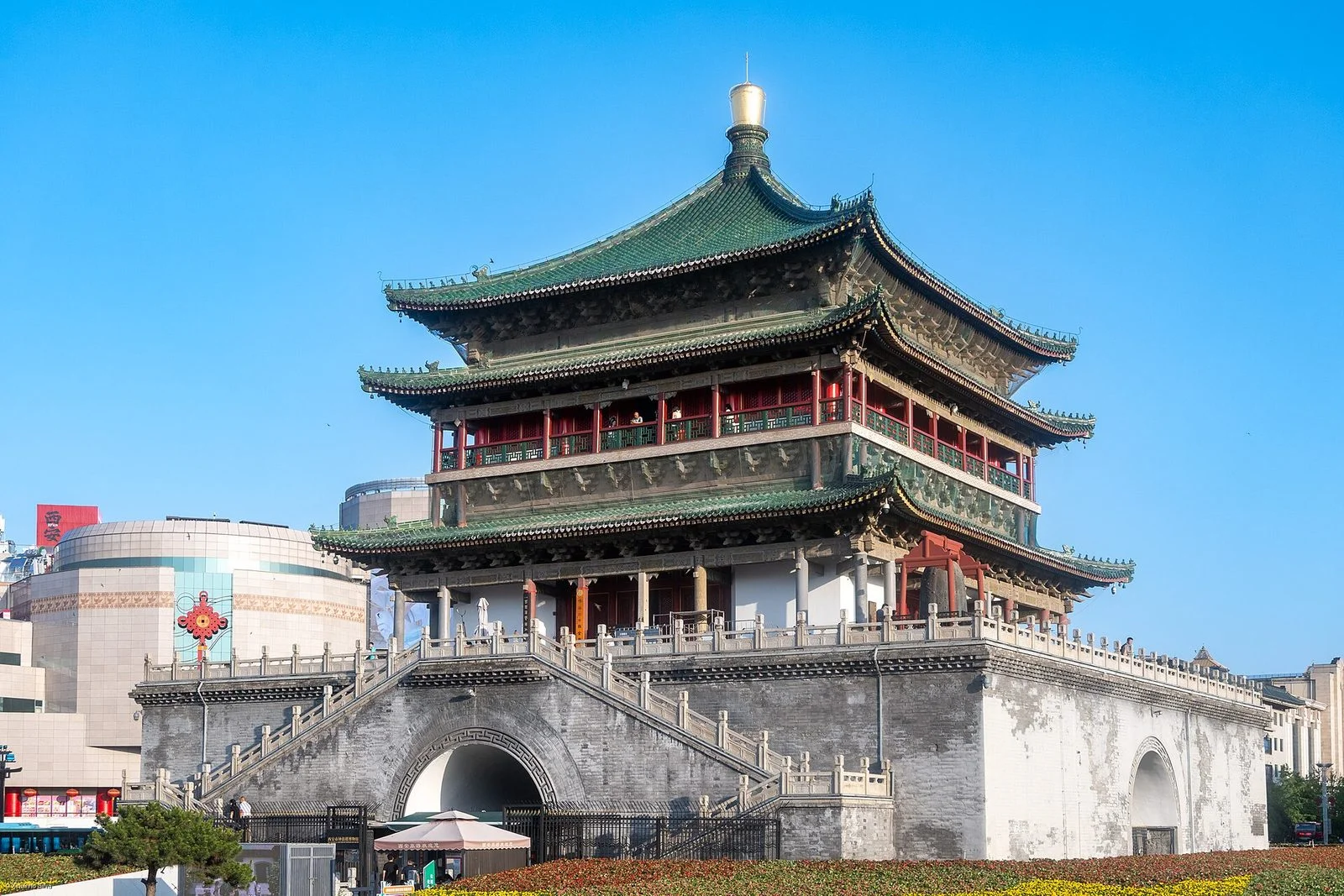
Xi'an's old city inside the wall, the Lintong archaeological area, and the museum cluster in the south of the city are far apart. Summer heat, spring dust, and autumn's long rainy spells all change the outdoor experience. Confirm reservations for the Terracotta Army and the Shaanxi History Museum in advance, respect residents' daily life in the Hui Quarter, and choose a ride or walk on the city wall that matches your fitness—this reduces last-minute disruptions.
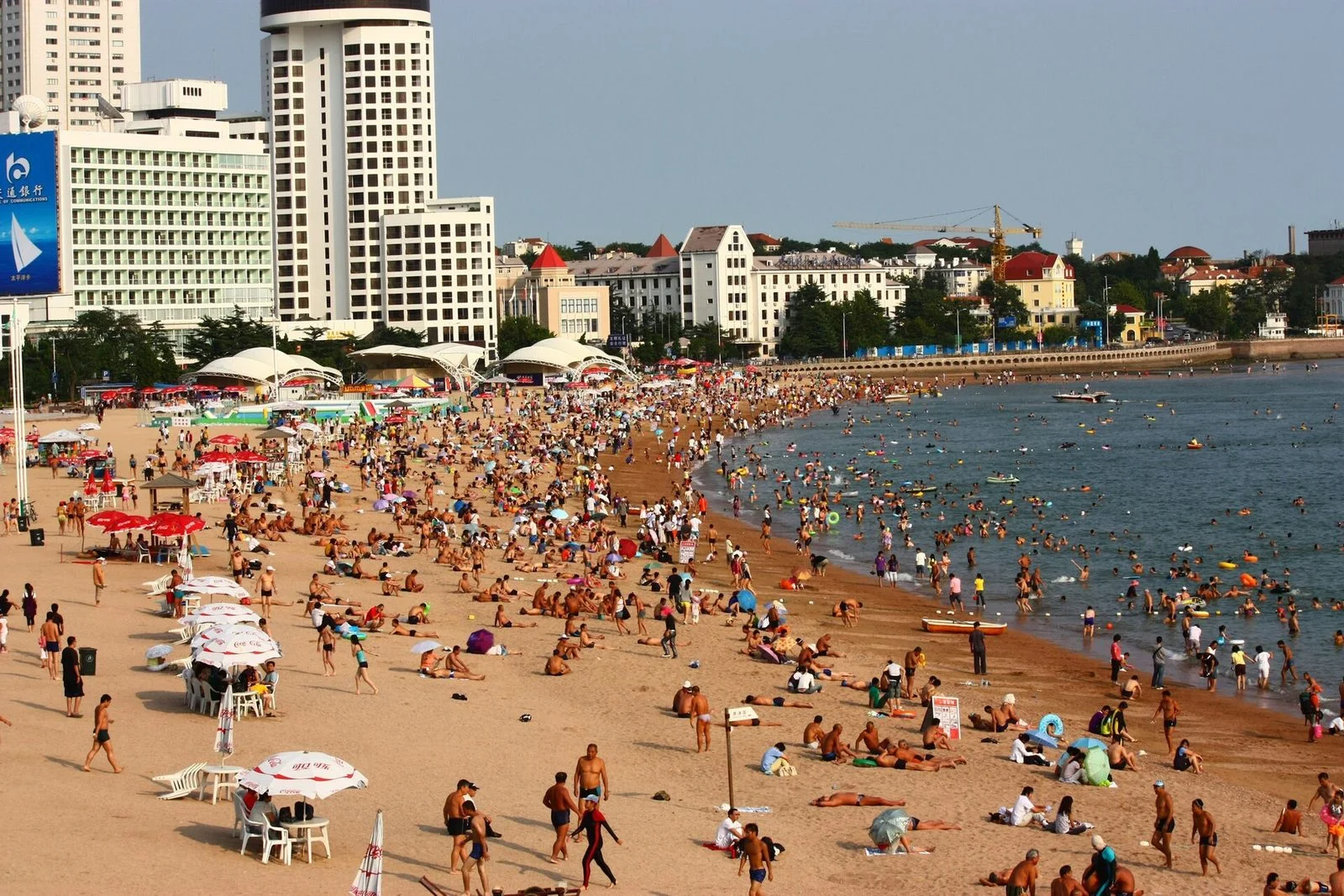
Qingdao coastal weather and swimming safety
The coastal experience in Qingdao depends heavily on the weather: spring and summer sea fog cuts visibility, winter sea winds make it feel colder, and swimming is only allowed during the swimming season at official bathing beaches and within safe areas. Checking the weather, tides, and Laoshan reservations before setting out can reduce the disruption caused by temporary ferry suspensions, closures, or sold-out slots.
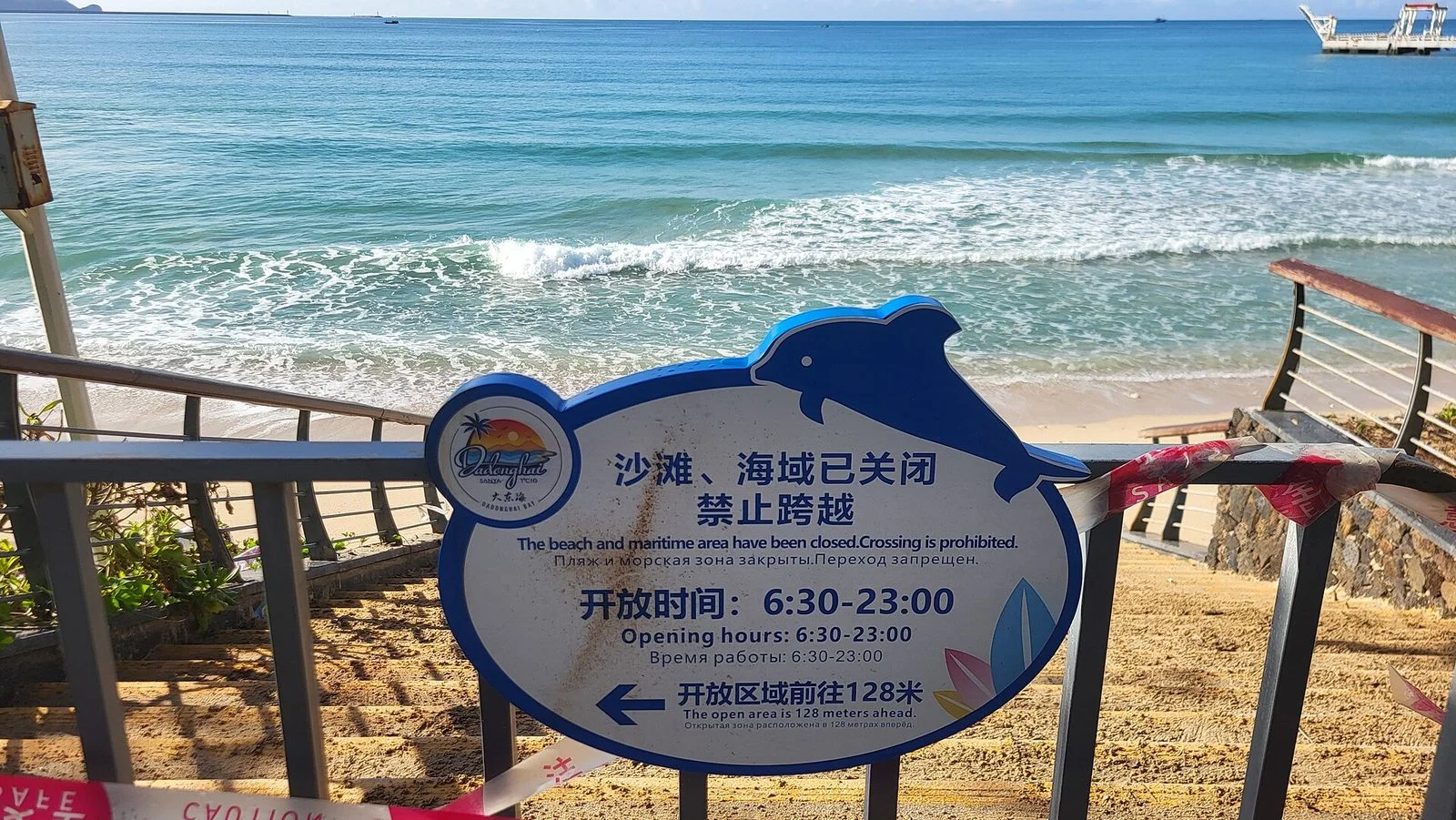
Sanya beach safety and typhoon season guide
Sanya's beaches are accessible most of the time, but swimming is not allowed during typhoons, heavy rain, or temporary closures, and swimming, sun protection, and seasonal changes each have their limits: Yalong Bay and Dadonghai are high-risk stretches for rip currents, scenic areas and beaches close temporarily when a typhoon affects the area, and bluebottle Portuguese man o' war have also washed ashore. Checking the weather, warnings, and how to get medical care in advance is more useful than changing plans at the last minute.
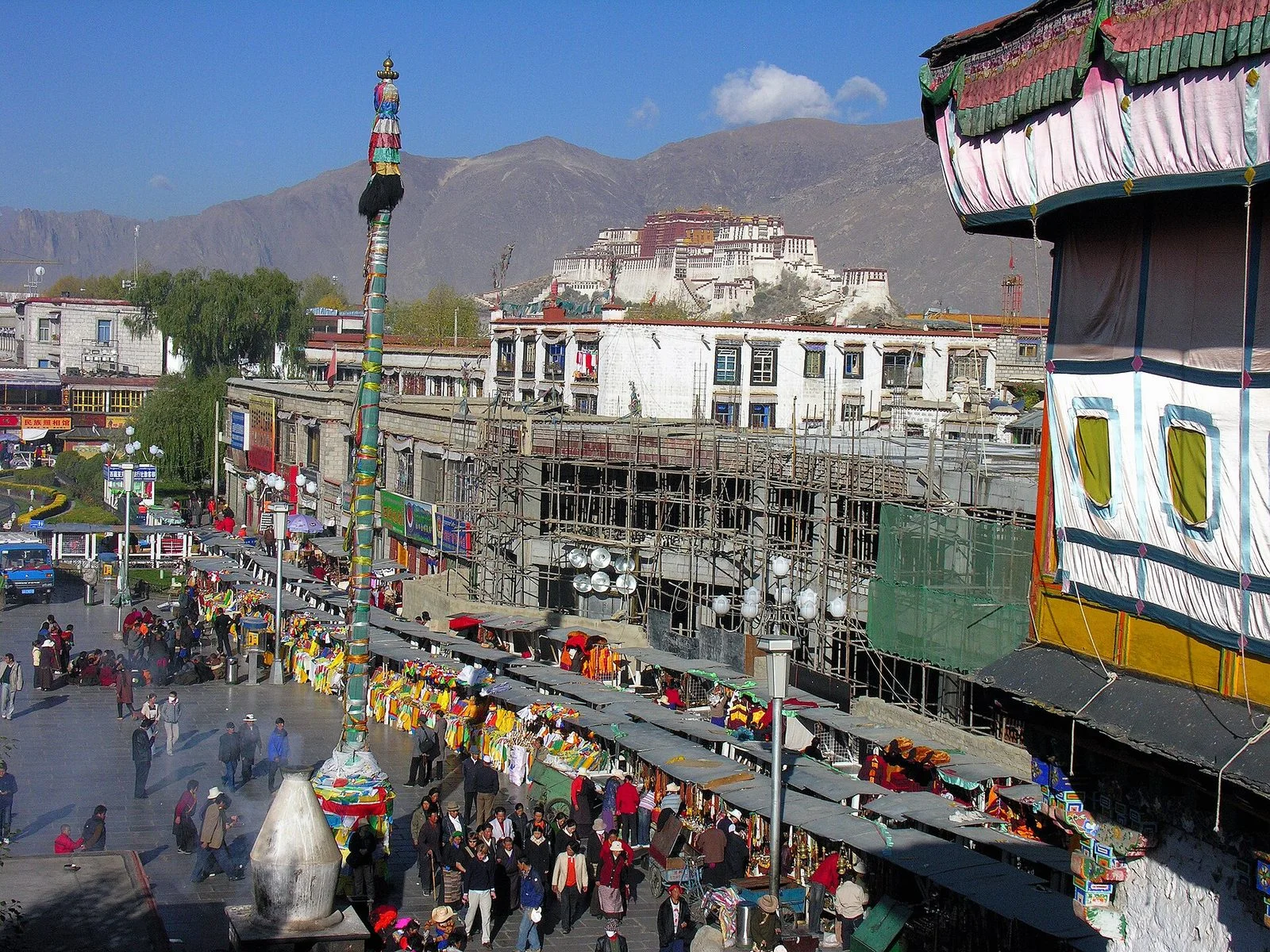
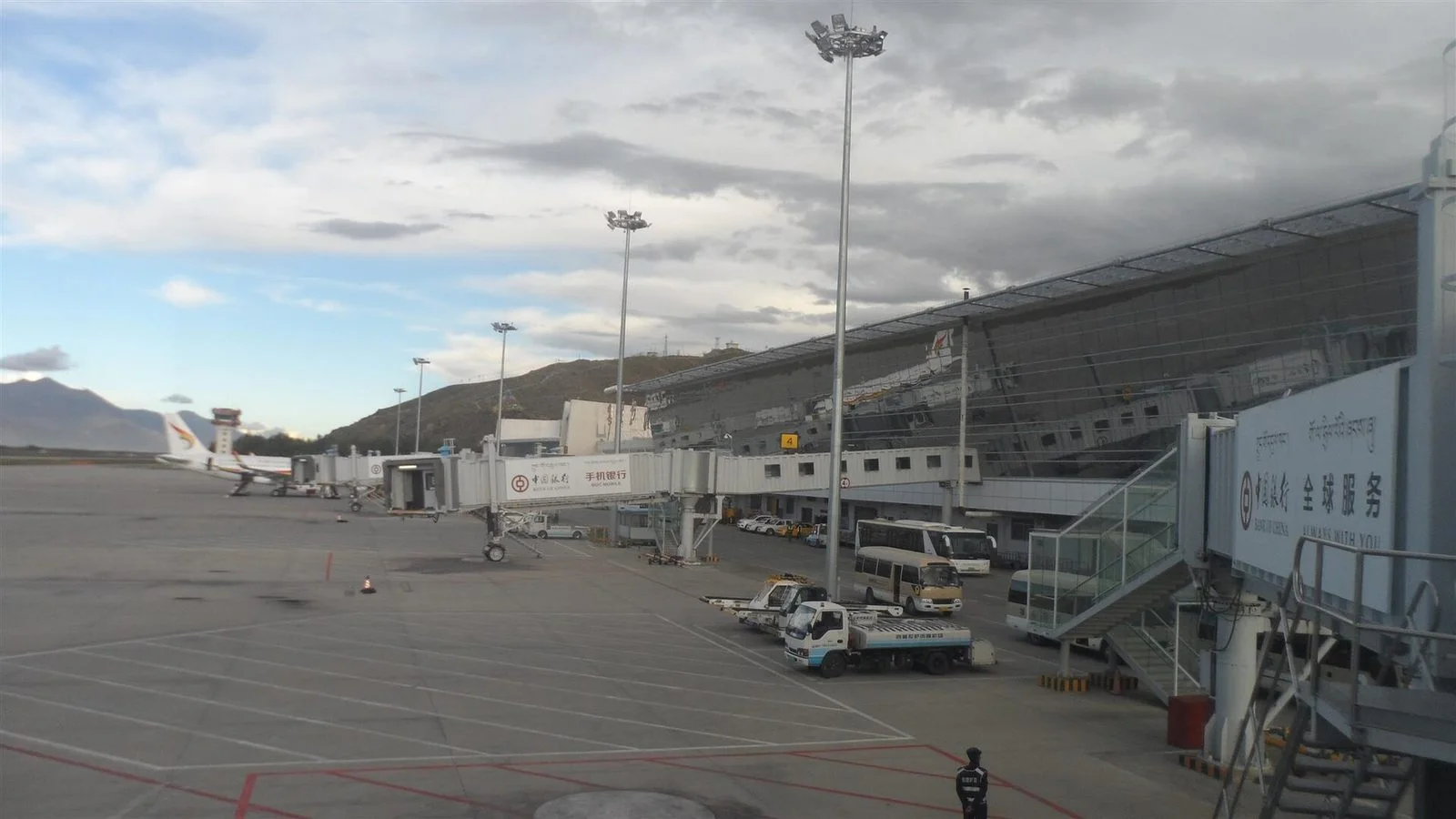
Lhasa at 3,650 m: judging altitude sickness and getting through the first two days
The average elevation of Lhasa's urban area is 3,650 meters, and neither flying nor taking the train lets your body acclimatize for you. Keep activity low for the first two days and distinguish ordinary altitude sickness from signals that need immediate medical care; if you have breathlessness at rest, changed consciousness or unsteady walking, descend or seek care promptly.
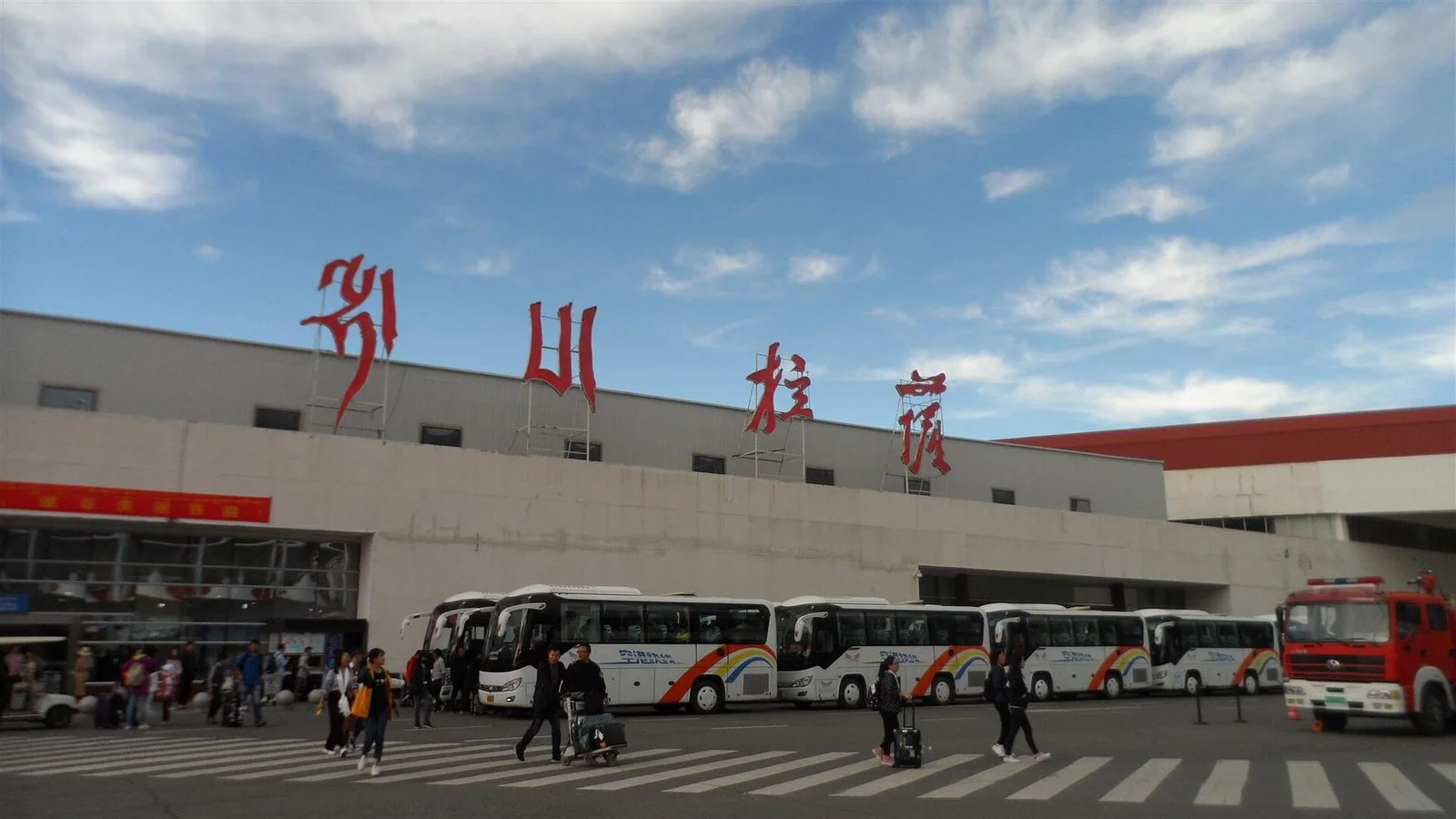
Foreign visitors to Lhasa: who needs a Tibet Travel Permit and where it is checked
Foreign tourists need a Tibet Travel Permit to enter Lhasa, and so do Taiwan residents holding valid documents; it must be arranged by the travel agency handling your trip, according to the itinerary, and you cannot bypass the agency and enter on your own. The permit is tied to specific people, dates and routes, border areas need additional permits, and permits may be suspended temporarily.
Luoyang Visitor Notes
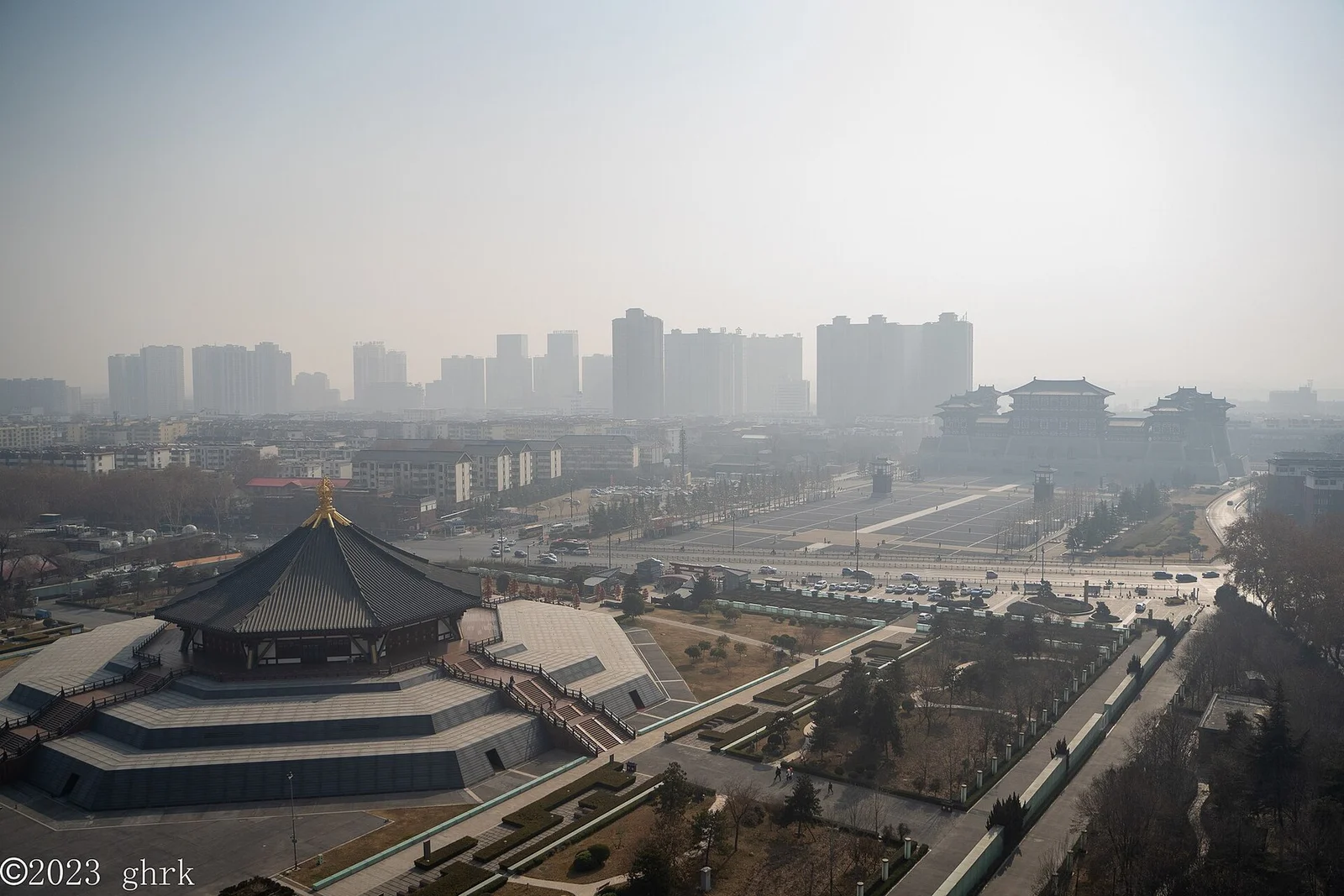
Luoyang’s sights are spread across several districts: Longmen in the south, White Horse Temple in the east, the palace remains and old town in the centre. Grouping them by direction and checking reservations, closures and peony dates in advance reduces cross-city travel and last-minute problems.