3,650 meters: flying and the train are not the same
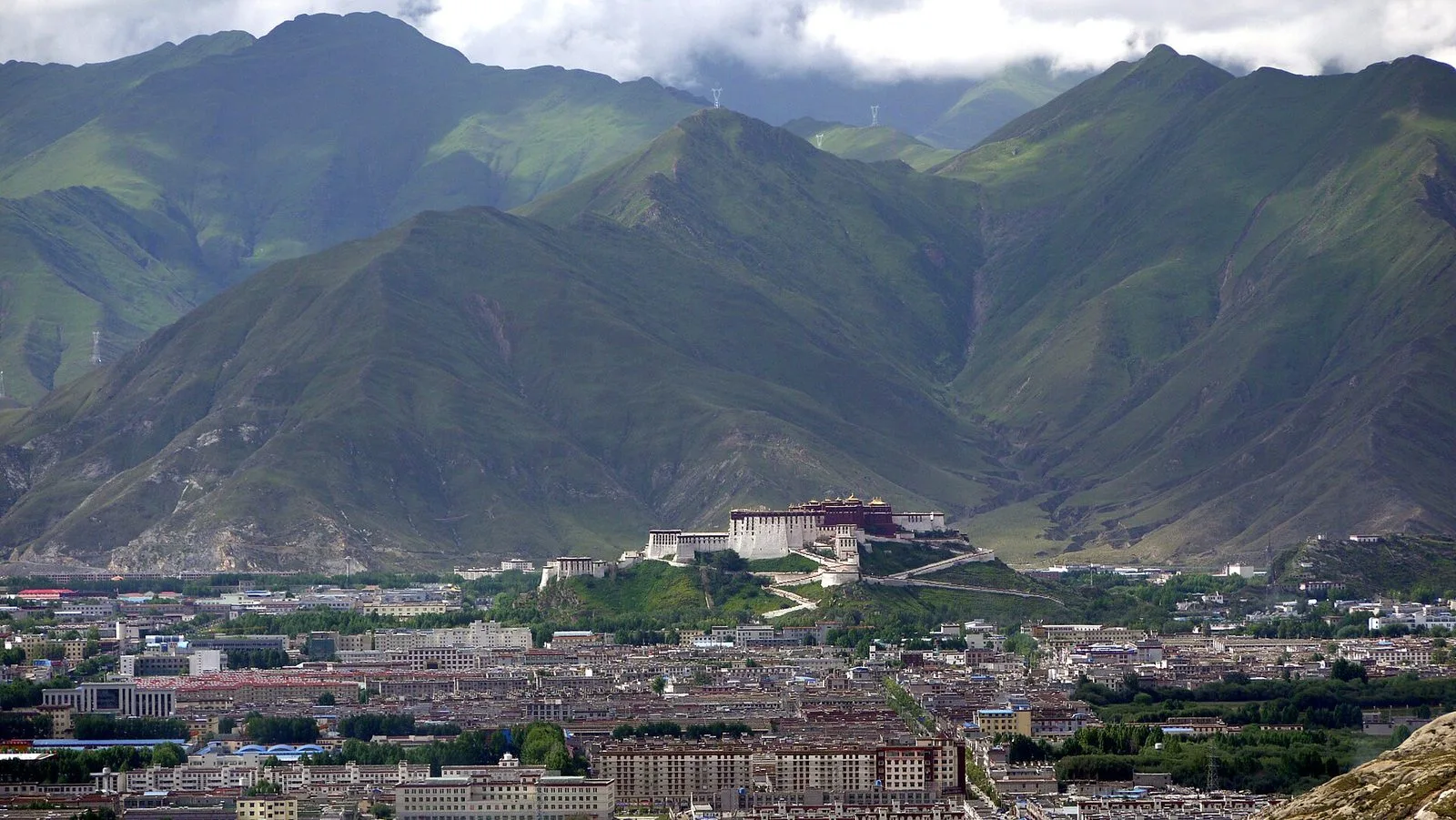
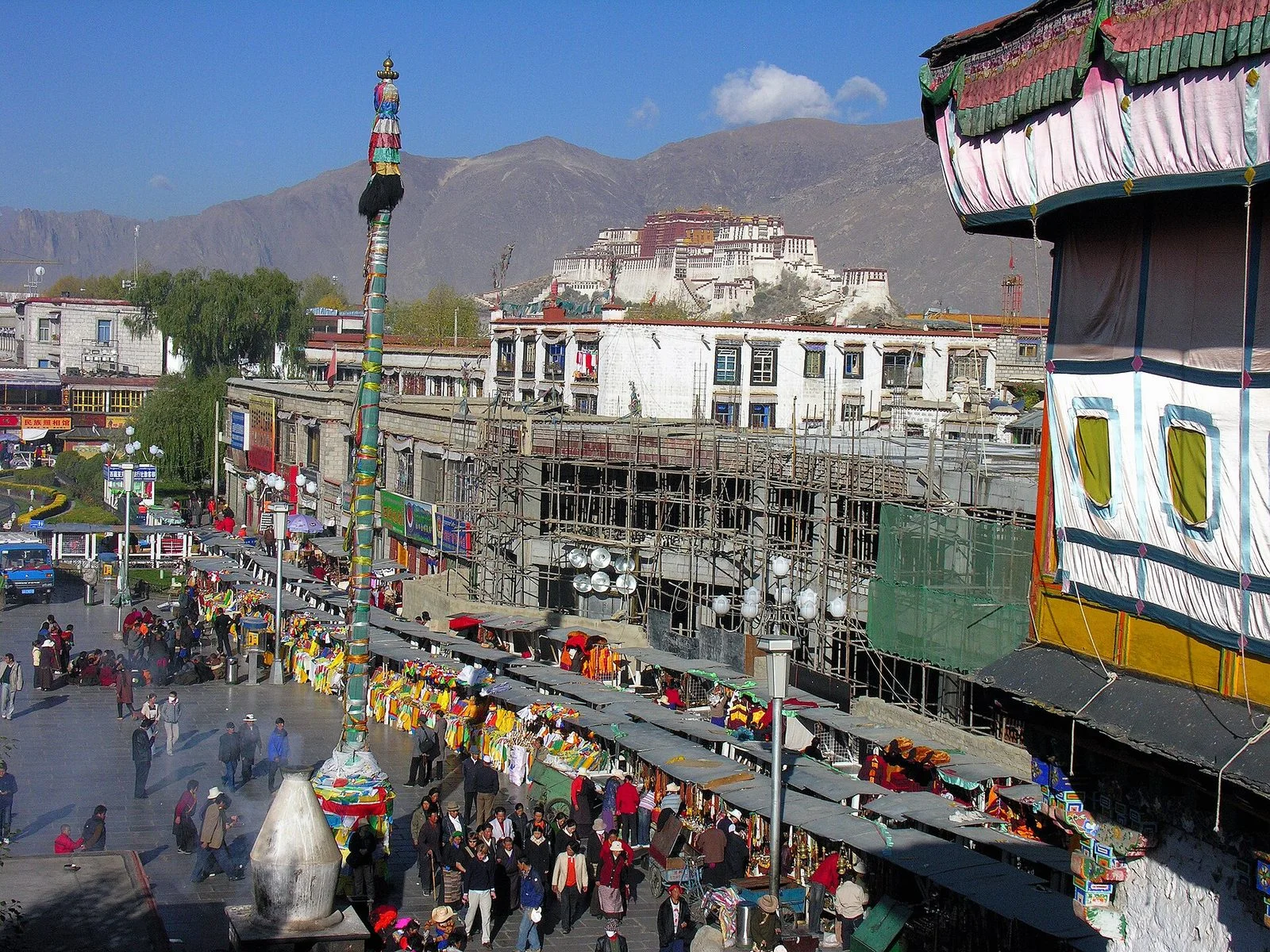
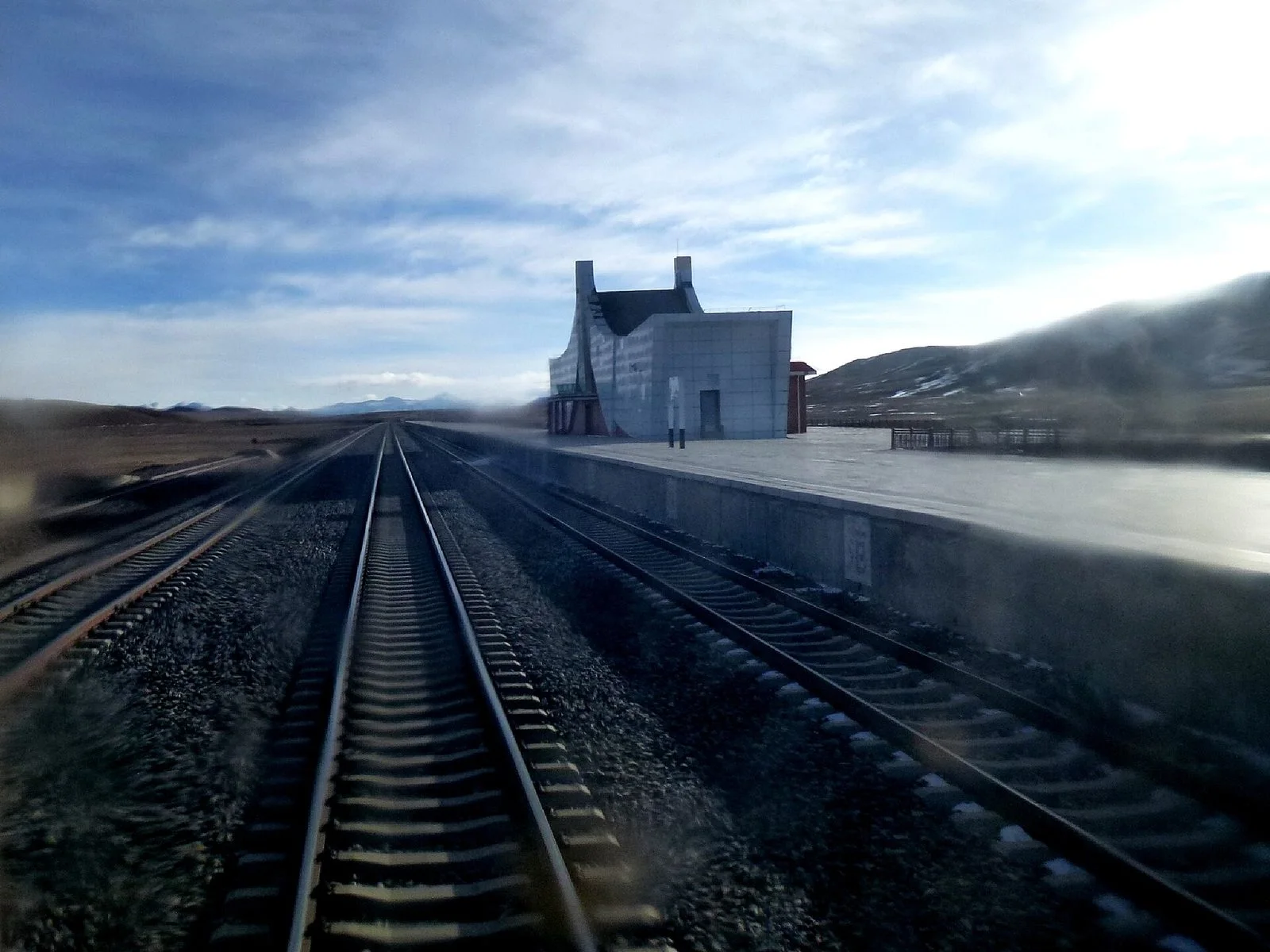
The average elevation of Lhasa's urban area is 3,650 meters. Gonggar International Airport averages 3,569 meters, so flying in from a low-altitude city puts you almost at Lhasa's height as soon as you land, with no buffer in between. The train is not a gradual climb either: after leaving Golmud, the Tibet-bound train supplies oxygen throughout the carriages, with individual oxygen outlets in every class and free oxygen tubes; oxygen is still supplied while crossing the Tanggula Mountains. The oxygen makes the journey more comfortable, but it also reduces the time your body spends exposed to low oxygen.
Neither way amounts to acclimatization. Susceptibility to altitude illness has little to do with fitness or gender, and being regularly active does not guarantee protection; the first 2–3 days at altitude are the high-risk window for acute mountain sickness, so keep activity low. Being young, healthy or having visited Lhasa before does not replace watching your symptoms on the day.
Common altitude sickness and the signals that require medical care
The most common problem is acute mountain sickness. Headache is the core symptom, often with dizziness, fatigue, nausea and loss of appetite, sometimes vomiting; it usually appears from a few hours after arrival to the first night, and if you do not keep ascending, most people improve within 12–48 hours. The China CDC also lists palpitations, chest tightness, shortness of breath, reduced appetite and disturbed sleep.
Whether it is dangerous depends not only on how bad you feel but on how your body is functioning. Persistent chest tightness and shortness of breath at rest, blue lips or fingertips, or a dry cough turning into white or pink frothy sputum are warning signs of high-altitude pulmonary edema; severe headache, frequent vomiting, unusual mood, unsteady walking or drowsiness that does not respond to being woken are warning signs of high-altitude cerebral edema. If any of these appear, do not stay in the hotel to observe; descend to a lower altitude as soon as possible and seek medical care, and call 120 if you cannot reach a hospital quickly.
A finger pulse oximeter can serve as a reference: the China CDC regards a resting oxygen saturation persistently below 85% as a higher risk of hypoxia; if it does not rise after oxygen, or if headache, nausea and chest tightness occur at the same time, do not climb higher. A single reading cannot replace judgment, and a reading that looks acceptable does not justify ignoring unsteady walking, slurred speech or difficulty breathing. Lhasa has regional- and municipal-level general hospitals and a military hospital; if warning signs appear, go directly to a general hospital emergency department. The above is not a diagnostic standard, only a guide to whether to seek care and whether to keep ascending.
How to plan the first 24–48 hours after arrival
On the day you arrive, do less: no running, no climbing, no heavy lifting; walking on level ground at a slow pace is enough. Avoid alcohol for the first 48 hours and do only light activity. Drink water in small amounts and often, and keep your urine pale; keep your head and neck warm and avoid catching cold; sleep normally and do not use alcohol or sleeping pills to help you sleep. Sleep at altitude is often lighter and more easily broken, and usually improves with acclimatization.
Follow a doctor's or local emergency responder's advice on oxygen and medication. Do not use painkillers, sleeping pills or portable oxygen to suppress symptoms and then keep rushing on; small portable oxygen cans only relieve symptoms briefly and are no substitute for descent or treatment. If symptoms are still worsening after a day of rest, or if the warning signs above have appeared, do not wait: descend or seek care as a doctor advises. Keeping your first day after arrival free is more useful than changing tickets afterward.
Useful official references
Check the relevant official service before making arrangements. These links are references, not a guarantee of current services.
- Lhasa Public Security Bureau: Lhasa's average elevation is 3,650 meters (2023-11-01, verified 2026-11-12) ↗
- Science and Technology Daily: Lhasa Gonggar International Airport averages 3,569 meters (2024-07-26, verified 2026-11-12) ↗
- China CDC: At high altitude, this illness can strike when you least expect it (Xinhua, 2026-09-04, verified 2026-11-12) ↗
- CDC Yellow Book: High-Altitude Travel and Altitude Illness (verified 2026-11-12) ↗
- Xinhua: What to do about low oxygen on Tibet-bound trains (2025-12-30, verified 2026-11-12) ↗